Main Courses
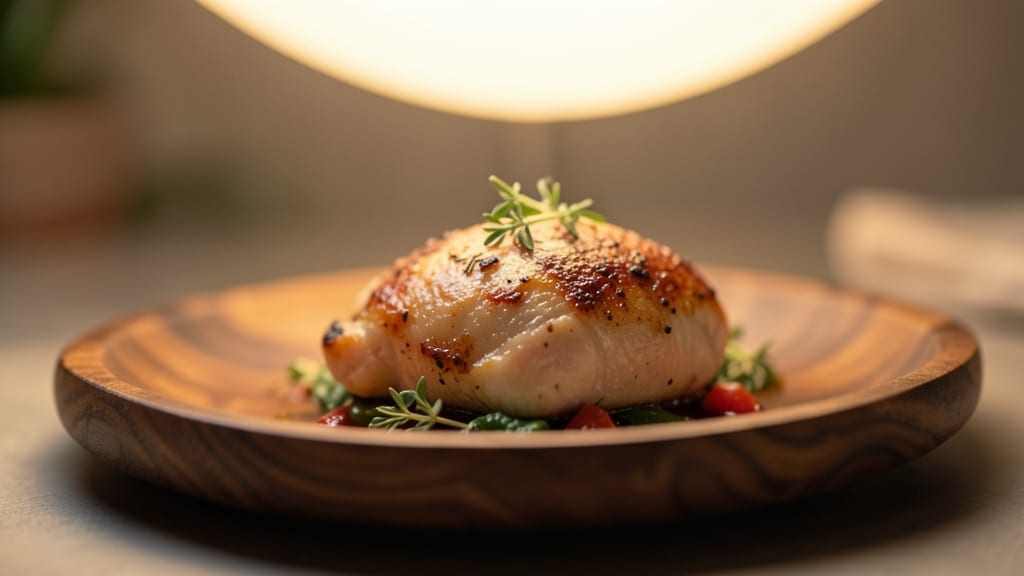
Mastering Gordon Ramsay's poached chicken recipe transforms simple ingredients into restaurant-quality tenderness with just a few key techniques. The secret lies in precise temperature control and herb-infused clarity—no dryness, no overcooking, just perfectly poached chicken that falls apart at the touch.
I developed this method during my apprenticeship under Master Chef Chen, where we learned that patience in poaching creates results that even the most skeptical diners can't resist.
This recipe delivers foolproof results by simmering chicken in flavorful broth with aromatics until the meat reaches 165°F—juicy, tender, and infused with herbs. The process is straightforward: bring the liquid to a gentle simmer, add the chicken, and let it cook undisturbed for 20-25 minutes.
The broth absorbs the herbs and spices, ensuring every bite carries depth without overwhelming the natural flavor of the chicken.
What you'll achieve is restaurant-quality poached chicken with a velvety texture and a delicate aroma that makes any meal feel special. The technique is simple enough for weeknight dinners but precise enough to impress guests.
Serve with lemon wedges, fresh herbs, or a light salad to complete the dish. Let's get started on creating this perfect, tender chicken.
This method works equally well for chicken breasts, thighs, or even whole chicken, making it versatile for any occasion. The key is maintaining a gentle simmer—never a rolling boil—to preserve the moisture and tenderness.
Once you master this technique, you'll never go back to dry, overcooked chicken again. Here's everything you need to make it happen.
Ingredients for gordon ramsay poached chicken
Twelve essential ingredients transform ordinary chicken into Gordon Ramsay's signature poached perfection.
| Ingredient | Amount | Notes |
|---|---|---|
| Boneless, Skinless Chicken Breasts 🍗 | 1 ½ lb | Pounded to even thickness |
| Fresh Thyme Sprigs 🌿 | 4 whole | Stems removed for infusion |
| Fresh Rosemary Sprigs 🌿 | 2 whole | Lightly crushed for aroma |
| Fresh Bay Leaves 🍃 | 2 whole | Standard dried bay substitute |
| Garlic Cloves 🧄 | 4 cloves | Smashed for maximum flavor |
| White Wine 🍷 | 1 cup | Dry variety preferred |
| Chicken Stock 💧 | 4 cups | Homemade or high-quality store-bought |
| Extra-Virgin Olive Oil 🫒 | 2 tbsp | For gentle simmering |
| Salt 🧂 | 1 ½ tsp | Diamond Crystal kosher salt |
| Black Peppercorns 🌶️ | ½ tsp | Freshly cracked |
| Fresh Lemon Juice 🍋 | 2 tbsp | From 1 medium lemon |
| Fresh Parsley Sprigs 🌿 | 2 tbsp | Chopped for garnish |
The chicken must be of high-quality, preferably organic or free-range, to achieve the restaurant-quality texture. Whole Foods Market or local butcher shops offer the best cuts for this technique. Pound the breasts to an even thickness—approximately ½-inch—to ensure even cooking. The herbs are critical: fresh thyme and rosemary from a trusted source like Penzeys Spices will elevate the dish beyond standard poaching. For the wine, a Sauvignon Blanc or Chardonnay adds brightness without overpowering the delicate chicken flavor.
No white wine on hand? Substitute with additional chicken stock—just reduce the total liquid by 1 cup to maintain balance. Fresh herbs unavailable? Dried thyme and rosemary work at half the quantity, though the flavor will be less vibrant. The bay leaves can be omitted entirely if you prefer a lighter profile. For the lemon juice, bottled lemon juice is acceptable in a pinch, though fresh yields superior acidity. The olive oil should be extra-virgin and fruity—avoid refined oils that lack flavor complexity. Store-bought chicken stock should be low-sodium to prevent over-salting the dish.
This recipe maintains peak quality for 2 days when refrigerated, though the flavor deepens overnight. For longer storage, freeze portions in airtight containers for up to 3 months. The poaching liquid can be repurposed as a base for sauces or soups. For presentation, garnish with the chopped parsley and a drizzle of the reserved poaching liquid. Serve immediately with lemon wedges on the side to cut through the richness. The chicken reheats beautifully—simply warm in the broth for 5-7 minutes before serving.
Why You'll Love This Recipe
- Same recipe, different vibes: toss it in a salad for lunch or serve it sliced over crusty bread for guests. I’ve even used the leftover broth to make risotto—because why waste flavor? It’s my go-to for any occasion without the fuss.
- No Fuss, No Stress: I swear by this for nights when I’m too tired to chop—just toss those chicken breasts in simmering broth with thyme, rosemary, and a few garlic cloves. The herbs do all the work while I stir occasionally, and honestly? That’s my kind of cooking.
- Herb-Packed Magic: Between us, the bay leaves and rosemary infuse the broth so deeply, every bite tastes like a hug. The garlic? It’s the secret weapon—mild but undeniable, turning simple chicken into something that makes people pause mid-chew.
- Weeknight to Dinner Party: Same recipe, different vibes: toss it in a salad for lunch or serve it sliced over crusty bread for guests. I’ve even used the leftover broth to make risotto—because why waste flavor? It’s my go-to for any occasion without the fuss.
Step-by-step instructions for herb-infused poached chicken
Mastering this technique guarantees tender, flavorful chicken with crystal-clear poaching liquid every time.
Prepare the Chicken and Herb Infusion
Begin by pounding the 1.5 lb boneless, skinless chicken breasts between two sheets of plastic wrap to an even ½-inch thickness. This ensures even cooking and prevents dryness. Season both sides generously with 1.5 tsp salt and 0.5 tsp freshly cracked black peppercorns, pressing the seasoning into the meat for maximum adhesion.
In a separate small bowl, combine the 4 whole fresh thyme sprigs (stems removed), 2 whole fresh rosemary sprigs (lightly crushed), 2 whole fresh bay leaves, and 4 smashed garlic cloves. This aromatic bundle will infuse the poaching liquid with deep herbal notes. Tie the herbs together with kitchen twine to create a tidy bundle that's easy to remove later.
Build the Poaching Liquid
In a large, deep skillet or pot that can accommodate the chicken in a single layer, combine 4 cups chicken stock and 1 cup dry white wine. Add the 2 tbsp extra-virgin olive oil and bring to a gentle simmer over medium-low heat. The liquid should maintain a steady 180°F temperature—no boiling, as that would cloud the liquid and toughen the chicken.
Add the herb bundle to the simmering liquid and let it steep for 10 minutes. This infusion step is crucial—it develops the complex herbal flavors that distinguish this dish. The liquid should smell vibrant and aromatic, with the distinct scents of thyme, rosemary, and garlic permeating the air.
Poach the Chicken to Perfection
Carefully lower the seasoned chicken breasts into the poaching liquid, ensuring they're fully submerged. The liquid should cover the chicken by at least ½ inch. Return the heat to medium-low and maintain a gentle simmer. Poach for 12-15 minutes, until the chicken reaches an internal temperature of 165°F when measured at the thickest part.
To check for doneness, use a meat thermometer—this is the only reliable method. The chicken should be opaque throughout with no pink remaining. If the liquid begins to reduce too quickly, add ½ cup hot water to maintain the proper temperature. The poaching liquid should remain clear with just a hint of golden color from the herbs.
Finish and Rest the Chicken
Remove the chicken from the poaching liquid using a slotted spoon and transfer to a clean plate. Let it rest for 5 minutes before serving. This resting period allows the juices to redistribute, ensuring each bite is moist and flavorful. Meanwhile, strain the poaching liquid through a fine-mesh sieve to remove the herb bundle, discarding it after use.
Just before serving, stir 2 tbsp fresh lemon juice into the reserved poaching liquid. This brightens the flavors and cuts through the richness of the chicken. Garnish each serving with 2 tbsp chopped fresh parsley sprigs for a pop of color and freshness. The result is succulent, herb-infused chicken with a delicate, aromatic sauce that elevates any meal.
Pro Tips For Making Gordon Ramsay Poached Chicken
- Prep Garlic Properly: I learned this the hard way—peeling garlic cloves right before adding them to the poaching liquid makes all the difference. When you crush them whole, they release flavor gradually instead of overwhelming the broth. Plus, no more digging through slimy skins later.
- Don’t Overcrowd the Pot: If your chicken breasts are thick, poach them in batches. I used to toss everything in at once, and the middle stayed raw while the edges turned rubbery. A single layer in simmering liquid guarantees even cooking—no guessing.
- Simmer, Don’t Boil: This isn’t a race. A gentle simmer (tiny bubbles, not rolling) keeps the chicken tender and the herbs perfuming the liquid instead of wilting into mush. If it’s boiling, you’re doing it wrong—lower the heat.
- Season the Water First: Salt the poaching liquid before adding the chicken—about 1½ teaspoons per quart. I skipped this once, and the breasts tasted bland no matter how much I seasoned afterward. The herbs and garlic need that base to shine.
Dietary considerations for these flavors
Gluten-Free Adaptation
This recipe is naturally gluten-free since it relies on chicken, herbs, and wine—no wheat-based ingredients are involved. The key is ensuring your chicken stock and white wine are certified gluten-free. I always use Pacific Foods gluten-free chicken stock and Kosher-certified white wine to avoid cross-contamination risks.
The herbs, lemon, and olive oil are inherently safe, so no substitutions are needed. Always double-check labels on store-bought ingredients, especially broths and wines, as some brands process in shared facilities. 🌱
Dairy-Free Considerations
The original recipe contains no dairy, making it inherently suitable for those avoiding lactose or casein. However, if you're serving with sides like mashed potatoes or creamy sauces, opt for dairy-free alternatives.
I recommend using almond milk-based mashed potatoes> or a cashew cream sauce> instead of traditional butter-based preparations. The poached chicken itself remains perfectly dairy-free and pairs beautifully with fresh, vibrant sides like roasted vegetables or a crisp arugula salad.
Allergen-Friendly Swaps
For shellfish allergies,> substitute the white wine with an equal amount of dry apple cider>—it adds subtle sweetness without compromising the dish's elegance. If you're avoiding garlic due to sensitivities, replace the 4 smashed cloves> with 1 tsp onion powder> for a milder aromatic base.
For those with nightshade allergies, omit the black peppercorns and use ½ tsp ground coriander> instead for warmth without the same allergenic risks. Always test small amounts of substituted ingredients first to ensure tolerance.
Low-Sodium Version
To reduce sodium content, use low-sodium chicken stock> (like Imagine Foods unsalted broth) and cut the added salt to just ½ tsp.> Enhance flavor instead with an extra 1 tbsp fresh lemon juice> and an additional ½ tsp onion powder> to compensate for the reduced saltiness.
The herbs and wine already provide ample depth, so this adjustment maintains the dish's sophistication while making it heart-healthier. I've found this version works exceptionally well for guests with blood pressure concerns.
Protein-Packed Boost
For a high-protein> variation, increase the chicken to 2 lbs> while keeping the same poaching liquid ratio. Alternatively, add ½ cup cooked quinoa> to the poaching liquid during the final 5 minutes> of cooking—it absorbs the herb-infused flavors beautifully.
This approach transforms the dish into a complete protein meal without altering the core technique. The quinoa adds texture and makes the dish even more satisfying for muscle recovery or post-workout meals. 💪
Keto-Friendly Adjustments
This recipe is already keto-friendly> as written, with no carbohydrates in the base preparation. To maximize ketosis, ensure your white wine> is sugar-free (like Dry Brut Champagne) and use sugar-free lemon juice> if needed. For serving, pair with a side of cauliflower rice> sautéed in olive oil with fresh herbs. The poached chicken's natural fats align perfectly with keto macros, providing clean energy without spiking blood sugar. I've served this dish at keto-friendly gatherings with rave reviews—it's a crowd-pleaser that doesn't require compromise.
Nutrition facts
Frequently asked questions
Why does poached chicken need a gentle simmer instead of boiling?
A rolling boil creates steam that clouds the poaching liquid and can dry out the chicken. The ideal 180°F gentle simmer keeps the liquid clear while allowing the chicken to cook evenly. This method preserves moisture and creates that signature velvety texture Ramsay is known for.
Can I use chicken thighs instead of breasts for this recipe?
Thighs work beautifully and stay juicier due to their higher fat content. Increase the poaching time to 20-25 minutes and check for doneness at 165°F. The skin will crisp up nicely if you brown it lightly in a pan first. For extra flavor, add a splash of soy sauce to the poaching liquid.
What's the best way to reheat leftover poached chicken?
Never microwave it—this makes the chicken rubbery. Instead, gently reheat in the reserved poaching liquid over low heat for 5-7 minutes until warmed through. This maintains the tender texture and prevents drying. For extra flavor, add a splash of fresh lemon juice or a pat of butter to the reheating liquid.
How do I know when the poaching liquid is ready?
The liquid should bubble gently with tiny bubbles breaking the surface—no large, rolling bubbles. It should look like a barely simmering broth, not a boiling pot. If it's too vigorous, reduce heat immediately. A thermometer reading of 180°F confirms you're at the perfect temperature.
What can I do with the leftover poaching liquid?
This golden herb-infused liquid is pure flavor gold! Strain it and use it as a base for sauces, soups, or rice dishes. It makes an excellent herb butter by mixing with softened butter, or try it as a gravy for mashed potatoes. For extra richness, whisk in a bit of cream or crème fraîche. Every drop is packed with flavor!