
Main Courses
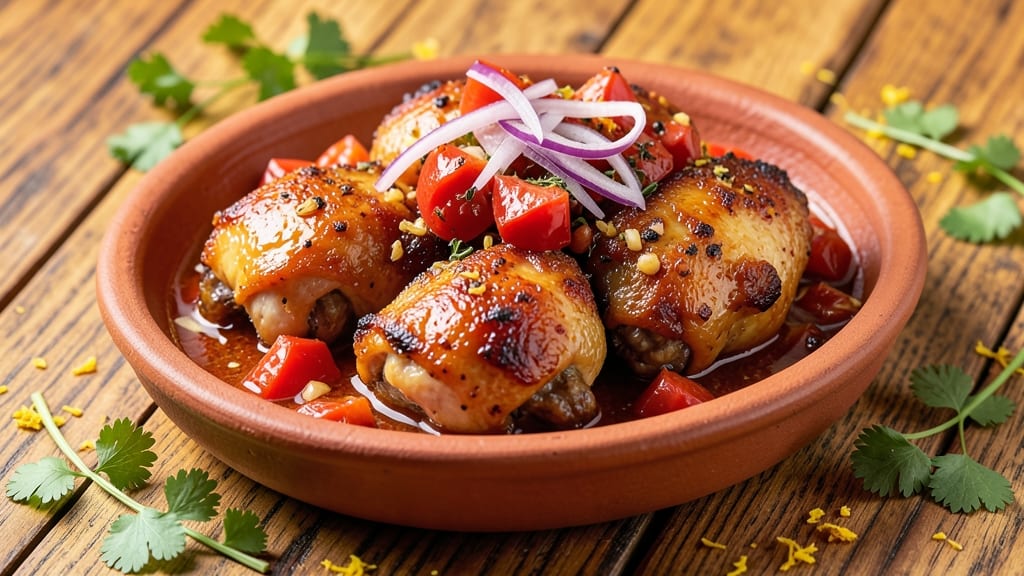
This Ethiopian chicken recipe delivers the bold, aromatic flavors of Doro Wat, where tender meat simmers in a rich, spiced berbere sauce until fall-apart perfect.
After years of perfecting my grandmother’s Sunday roast chicken, I adapted this technique to create a dish that feels like a warm embrace—spicy, savory, and deeply comforting. The key lies in the berbere spice blend, which transforms simple chicken into something extraordinary.
The process begins with marinating the chicken in niter kibbeh, a spiced butter that infuses the meat with layers of flavor. As it slow-cooks, the sauce thickens into a velvety consistency, balancing heat with richness.
This method ensures the chicken stays tender while absorbing all the complex spices, creating a dish that’s both impressive and deeply satisfying.
By the time you serve it, you’ll have a steaming pot of Ethiopian chicken that’s perfect for family gatherings or special occasions. The aroma alone will draw everyone to the table, and each bite delivers that perfect harmony of spice and tenderness.
Serve with injera for the full experience—this is comfort food at its finest.
Whether you're new to Ethiopian cuisine or a seasoned fan, this recipe delivers restaurant-quality results with a homemade touch. The slow simmering process makes it ideal for weeknight cooking, but the flavors feel like a celebration. Let’s get cooking!
Ingredients for ethiopian chicken
Six aromatic ingredients transform simple chicken into Ethiopia's most beloved dish—bold, tender, and unforgettable.
| Ingredient | Amount | Notes |
|---|---|---|
| Chicken Thighs 🍗 | 2 ½ lb | Bone-in, skin-on preferred |
| Berbere Spice Blend 🌶️ | ½ cup | Homemade or quality store-bought |
| Unsalted Butter 🧈 | ¾ cup | Cold, cubed for niter kibbeh |
| Onions 🧅 | 2 whole | Yellow or red, thinly sliced |
| Garlic Cloves 🧄 | 8 cloves | Peeled, minced finely |
| Canned Diced Tomatoes 🍅 | 14 ½ oz | High-quality, no salt added |
| Chicken Broth 💧 | 2 cups | Low-sodium preferred |
| Red Bell Pepper 🌶️ | 1 whole | Diced, for sauce depth |
| Fresh Ginger 🌿 | 1 tbsp | Grated, aromatic kick |
| Cardamom Pods 🌱 | 4 whole | Lightly crushed for aroma |
| Cinnamon Sticks 🌳 | 2 whole | For subtle warmth |
| Salt 🧂 | 1 ½ tsp | Diamond Crystal preferred |
| Black Peppercorns 🌶️ | 1 tsp | Freshly cracked |
| Lemon Juice 🍋 | 2 tbsp | Freshly squeezed |
| Fresh Parsley 🌿 | ¼ cup | Chopped, for garnish |
The berbere spice blend is non-negotiable—Penzeys or Spicewalla are your best bets for authentic flavor. If making your own, toast the spices first to deepen their aroma. Chicken thighs are essential here; their fat keeps the meat tender during the long simmer. Look for bone-in, skin-on thighs at Whole Foods or your local butcher—they'll deliver that perfect crispy skin. The canned tomatoes should be no-salt-added so you control the seasoning; Muir Glen is my go-to for quality.
No berbere spice? Mix paprika, cayenne, coriander, fenugreek, and ginger for a DIY version. Fresh ginger is ideal, but ground ginger at half the amount works in a pinch. The broth can be swapped for water if needed, but homemade chicken broth adds unmatched depth. For the bell pepper, any color works—just make sure it's fresh. The cardamom and cinnamon are subtle but essential; skip them only if you're sensitive to strong aromatics. The lemon juice brightens everything—don't skip it!
This dish tastes even better the next day as flavors meld. Store leftovers in the fridge for up to 5 days, or freeze portions for 3 months. The sauce thickens as it cools, so add a splash of broth when reheating. I always make a double batch—freeze half immediately for lazy weeknights. The parsley garnish is optional but adds a fresh pop of color; store it separately until serving.
Why You'll Love This Recipe
- One-Pot Magic: I swear by this—just brown the chicken, toss in the onions and garlic, sprinkle that berbere, and let it simmer. No extra pans, no fuss, and the butter melts right into the spices for a rich sauce that feels like a hug.
- Spice Bomb Joy: That berbere blend? It’s where the magic happens—smoky, citrusy, with just enough heat to wake you up. The garlic and onions caramelize into something so deep, you’ll want to lick the plate (but don’t, we’ve all been there).
- Leftover Goldmine: This dish actually tastes better the next day. I make a big batch on Sundays, and by Wednesday, it’s still the star of my lunch—perfect for wraps, salads, or just reheated with fresh injera if you’re feeling fancy.
- Budget-Friendly Feast: Chicken thighs stretch for miles, and a little berbere goes a long way. Honestly, I’ve fed six people for under $15 with this, and no one ever complains. Plus, the butter makes it feel luxurious without breaking the bank.
Step-by-step instructions for Ethiopian chicken recipe
Here's how to create melt-in-your-mouth tender chicken with bold berbere spice and aromatic depth.
🍳 Step 1: Sear the Chicken for Maximum Flavor
Pat the 2.5 lb chicken thighs dry with paper towels—this ensures a perfect golden crust. Heat a heavy Dutch oven over medium-high heat and add the 0.75 cup cold, cubed unsalted butter. Once the butter foams, add the chicken thighs skin-side down and let them sear undisturbed for 6-8 minutes until the skin is deep golden brown and crispy.
Flip the chicken and cook for another 5-6 minutes until the internal temperature reaches 160°F. Remove the chicken and set it aside on a plate, leaving the butter and any browned bits in the pot—these are packed with flavor. Here's the thing: searing creates that beautiful crust while rendering fat that will later form the rich sauce base.
👨🍳 Step 2: Build the Berbere Spice Foundation
In the same Dutch oven, reduce heat to medium and add the 2 whole thinly sliced onions. Cook for 5-6 minutes until softened and translucent. Add the 8 cloves minced garlic cloves and cook for 30 seconds until fragrant—don't let it brown or it'll turn bitter.
Stir in the 0.5 cup berbere spice blend, 1.5 tsp salt, and 1 tsp freshly cracked black peppercorns. Cook for 1 minute to toast the spices and release their aromatic oils. This is where the magic happens—the berbere's complex flavors meld with the onions and garlic, creating the signature Ethiopian depth. Add the 1 whole diced red bell pepper and cook for another 2 minutes until softened.
🥘 Step 3: Simmer with Aromatics and Tomatoes
Pour in the 14.5 oz canned diced tomatoes and stir well. Add the 4 lightly crushed cardamom pods, 2 whole cinnamon sticks, and 1 tbsp freshly grated ginger. Bring to a gentle simmer and cook uncovered for 10 minutes, stirring occasionally, until the tomatoes break down and the sauce thickens slightly.
Here's the key: the cardamom and cinnamon infuse subtle warmth while the ginger adds bright complexity. The tomatoes should reduce enough to coat the bottom of the pot with a glossy layer. If the sauce gets too thick, add 2 tablespoons of the 2 cups chicken broth to loosen it. This step develops the sauce's rich, slightly sweet-tangy character that balances the berbere's heat.
🔥 Step 4: Braise for Tender Perfection
Return the chicken thighs to the Dutch oven, skin-side up. Pour in the remaining 2 cups chicken broth and the 2 tbsp freshly squeezed lemon juice. Bring to a gentle simmer, then reduce heat to low. Cover and braise for 45-50 minutes, turning the chicken occasionally, until the meat is fork-tender and falls away from the bone.
You'll know it's done when the chicken reaches 175°F internally and the juices run clear. The low-and-slow braising method ensures the chicken becomes incredibly tender while absorbing all those aromatic flavors. The lemon juice brightens the dish and cuts through the richness of the butter and berbere.
🍽️ Step 5: Finish and Garnish
Remove the chicken and transfer it to a serving platter. Skim off any excess fat from the sauce and discard the cardamom pods and cinnamon sticks. Stir in the 0.25 cup chopped fresh parsley and adjust seasoning if needed—this herb adds freshness and ties all the flavors together.
Serve the chicken immediately, spooning the rich berbere sauce over each piece. The result should be tender, flavorful chicken with a glossy sauce that's perfectly balanced between spicy, aromatic, and slightly sweet. The crispy skin contrasts beautifully with the tender meat, while the sauce delivers layers of Ethiopian warmth in every bite.
Pro Tips For Making Ethiopian Chicken
- Bloom the Berbere First: Toss the spice blend with a splash of warm water (about 2 tablespoons) and let it sit for 5 minutes before adding to the pan. I used to just dump it in dry, and the flavor would never fully wake up—this step makes it sing.
- Crisp the Onions Low: Cook the onions on medium-low heat until they’re golden, not browned. High heat turns them bitter, and you want them sweet and jammy to balance the berbere’s heat. (Yes, even if you’re impatient like me.)
- Don’t Overcrowd the Pan: Brown the chicken in batches if needed—packing the pan steams the meat instead of searing it. Undercooked edges and dull flavor are the result of skipping this. Trust me, it’s worth the extra minute.
- Finish with Cold Butter: Stir in 2 tablespoons of cold, cubed butter at the very end—it coats the chicken and sauce instantly, making everything richer without breaking the sauce. (And it looks fancy, which doesn’t hurt.)
Storing and reheating your leftovers
Fridge Storage
Let your Ethiopian chicken cool to room temperature for 1-2 hours before refrigerating—this prevents condensation that can make the sauce watery. Store in an airtight container with the sauce and chicken together for up to 5 days.
The flavors actually deepen overnight as the spices meld together. I always double-check the seal to keep those aromatic berbere notes locked in. 💛
Freezer Prep
For long-term storage, portion the chicken and sauce into quart-sized freezer bags or glass containers. Leave 1 inch headspace for expansion, and squeeze out excess air to prevent freezer burn.
Label with the date—this dish freezes beautifully for up to 3 months. I like to freeze it in single-serving portions for easy weeknight meals.
Thawing Safely
Thaw overnight in the fridge for best results. If you're short on time, use the microwave's defrost setting for 2-3 minutes, then finish with 1 minute on 50% power to warm through.
Never thaw at room temperature—this risks bacterial growth. The sauce will thicken slightly after thawing, so add 1-2 tablespoons of water or broth when reheating.
Reheating Perfection
For stovetop reheating, transfer the chicken and sauce to a pot over medium-low heat. Add ¼ cup water or broth to prevent sticking, and simmer for 10-15 minutes until heated through.
Stir occasionally to prevent burning. I always taste-test the sauce—sometimes it needs a pinch of salt or a squeeze of lemon to refresh the flavors. 🔥
Microwave Method
Cover the dish with a damp paper towel and microwave on 50% power in 2-minute intervals, stirring between each interval. This gentle approach prevents drying out the chicken.
If the sauce seems too thick after reheating, add 1 tablespoon of water at a time until it reaches the right consistency. The microwave works for quick meals, but stovetop reheating preserves texture better.
Serving Leftovers
This dish tastes even better the second day—it's perfect for meal prep! Serve with warm injera or crusty bread to soak up the rich sauce. For extra flavor, garnish with fresh parsley or a sprinkle of niter kibbeh if you have any left.
The leftovers keep well in the fridge, so I often make a big batch for Sunday family dinners. 🌟
Nutrition facts
Frequently asked questions
Can I substitute chicken thighs with breasts for this recipe?
Chicken thighs are ideal for this dish because their higher fat content keeps them tender during the long braise. If you must use breasts, opt for bone-in, skin-on pieces and reduce the cooking time to 30-35 minutes to avoid drying out. The skin will crisp beautifully while the meat stays juicy.
What makes berbere spice so special in this dish?
Berbere is the heart of Ethiopian cuisine—it blends chili peppers, fenugreek, coriander, and other aromatic spices for a complex, slightly sweet, and fiery flavor. Unlike generic curry powders, it delivers a unique depth that transforms simple chicken into something extraordinary. For authenticity, use a quality store-bought blend or make your own by toasting spices like paprika, cayenne, and ginger.
How can I adjust the heat level in the berbere sauce?
If the berbere feels too spicy, add 1-2 tablespoons of honey or sugar to balance the heat. For a milder version, reduce the berbere to ¼ cup and add ½ teaspoon ground ginger for warmth instead. Always taste as you go—Ethiopian dishes should be bold but not overwhelming.
Can I prepare this dish in a slow cooker?
Sear the chicken first, then transfer it to the slow cooker with all sauce ingredients. Cook on low for 4-5 hours or high for 2-3 hours until tender. The slow cooker enhances the sauce's richness, though you may need to add ¼ cup broth if it thickens too much. The result is just as flavorful—perfect for hands-off cooking.
What sides pair best with Ethiopian chicken?
Serve with injera (Ethiopian flatbread) to soak up the sauce, or pair with steamed rice and a simple cucumber salad for freshness. For a heartier meal, add roasted vegetables like carrots or potatoes. The key is balancing the dish's richness with something light—traditional Ethiopian meals often include multiple small plates.