
Main Courses
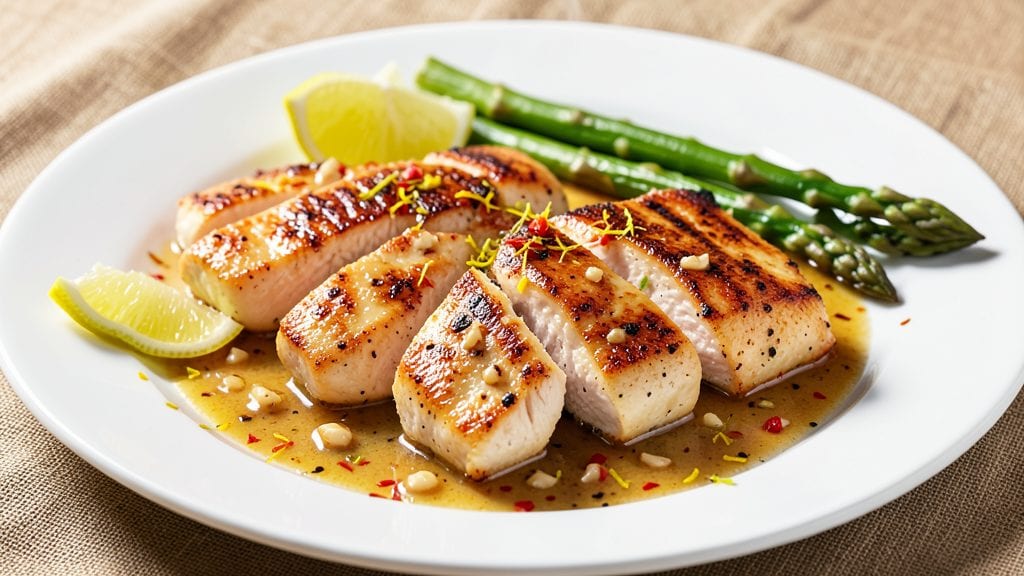
This copycat chicken scampi recipe delivers the same garlicky, buttery, lemon-kissed magic you’d find at your favorite restaurant—in just 25 minutes. The secret lies in high-heat searing of chicken, a white wine-lemon butter sauce reduced to perfection, and a touch of parsley that brightens every bite.
After years of testing, I’ve cracked the code to replicate that signature restaurant flavor at home without shortcuts that compromise taste.
The beauty of this dish is its simplicity: tender chicken breasts cut into strips, sautéed until golden, then tossed in a sauce that balances rich butter with bright lemon and aromatic garlic.
The white wine adds depth, while a splash of pasta water at the end ensures that silky, clingy texture that makes this dish irresistible. It’s the kind of recipe that feels indulgent yet comes together faster than takeout.
What you’ll end up with is restaurant-quality chicken scampi—juicy, tender pieces coated in a glossy, garlicky lemon butter sauce that’s tangy, creamy, and packed with flavor.
The aroma alone will have everyone gathering around the table, and the first bite delivers that same satisfying crunch and richness you remember from your favorite dining spot.
Serve it over linguine for a classic pairing, or with crusty bread to soak up every last drop of that velvety sauce. This is the dish that proves you don’t need a fancy restaurant to enjoy a meal that feels like a celebration.
Let’s get cooking—your taste buds will thank you.
Ingredients for copycat chicken scampi
Pantry staples plus fresh lemon and parsley—this is all you need for restaurant-worthy chicken scampi.
| Ingredient | Amount | Notes |
|---|---|---|
| Boneless, Skinless Chicken Breast 🍗 | 1 ½ lb | Cut into 1-inch strips |
| Unsalted Butter 🧈 | ½ cup | Cold, cubed for searing |
| Garlic Cloves 🧄 | 6 cloves | Thinly sliced, not minced |
| Fresh Lemon Juice 🍋 | ¼ cup | From 1-2 lemons, freshly squeezed |
| Dry White Wine 🍷 | ½ cup | Sauvignon Blanc preferred |
| Chicken Broth 💧 | ¼ cup | Low-sodium preferred |
| Fresh Flat-Leaf Parsley 🌿 | ¼ cup | Chopped, plus extra for garnish |
| Extra-Virgin Olive Oil 🫒 | 1 tbsp | For initial searing |
| Salt 🧂 | 1 ½ tsp | Kosher or sea salt |
| Ground Black Pepper 🌶️ | ½ tsp | Freshly ground preferred |
| Pasta Water 🍝 | ¼ cup | Reserved from cooking pasta |
| Linguine Pasta 🍝 | 12 oz | Or spaghetti, cooked al dente |
The chicken is everything here. Look for plump, white meat breasts—boneless, skinless works best. Cut them into even strips (about 1-inch thick) so they cook uniformly. I grab mine from the butcher counter at Whole Foods when I can, but the regular supermarket package is fine. The key is to pat them dry before cooking—wet chicken steams instead of sears. For the butter, use cold, cubed butter (not melted) for that perfect golden crust. If you're short on time, Trader Joe's sells pre-sliced garlic—just rinse it well to remove any excess moisture.
No white wine? Substitute chicken broth with a splash of lemon juice—it won't be identical, but you'll still get that bright, tangy flavor. Fresh parsley is ideal, but dried parsley at one-third the amount works in a pinch (though it lacks that fresh brightness). The olive oil matters—use something fruity and peppery, not the mild stuff. For the pasta, reserve that starchy water—it's liquid gold for emulsifying the sauce. And if you're worried about the lemon juice, use freshly squeezed—bottled juice lacks the depth of flavor. The wine can be any dry white—Sauvignon Blanc or Pinot Grigio are classic choices, but whatever's open works.
This sauce reheats beautifully—just add a splash of water or broth to loosen it. Keeps for 3-4 days in the fridge, though it's best fresh. The pasta? Cook it just before tossing with the sauce—it reheats like a dream. For leftovers, I like to portion it into glass containers with a layer of sauce on top to prevent drying. Freezes for up to 2 months, though the texture changes slightly after thawing. Garnish with extra parsley right before serving—it wilts fast, so don't do it too early.
Why You'll Love This Recipe
- One-Pan Magic: I swear by this—just chicken, butter, garlic, and wine in one skillet. No extra dishes, no fuss. The wine reduces down to a glossy sauce that clings to the chicken like it’s been simmering for hours.
- Garlic-Wine Kiss: That moment when the butter melts into golden bubbles and the garlic starts to sizzle? Pure satisfaction. The white wine cuts through the richness, and the lemon juice at the end? It’s the bright, tangy finish that makes this dish feel restaurant-worthy.
- Weeknight Dinner Hero: Between us, this is my go-to when I’m too tired to think. Toss in some pasta or serve it over crusty bread—it’s that adaptable. Even my picky-eating partner asks for seconds, and that’s saying something.
- Budget-Friendly Luxury: You’d never guess how affordable this is. A few chicken breasts, a bottle of cheap wine, and butter you already have? It tastes like a splurge without the price tag. Leftovers reheat beautifully too—just a quick zap in the microwave.
Step-by-step instructions for copycat chicken scampi recipe
Here's how to recreate that iconic restaurant scampi at home—juicy chicken, rich garlic butter sauce, and perfect al dente pasta every time.
Prep and Sear the Chicken
Cut the 1.5 lb boneless, skinless chicken breast into 1-inch strips—this ensures even cooking and maximum surface area for that perfect sear. Pat them dry with paper towels, then season both sides generously with 1.5 teaspoons salt and 0.5 teaspoon ground black pepper. Let them sit at room temperature for 10 minutes while you prep the rest.
Heat 1 tablespoon extra-virgin olive oil in a large skillet over medium-high heat until shimmering. Add the chicken strips in a single layer—don't crowd the pan. Sear for 3-4 minutes per side until golden brown and cooked through to 165°F internally. Transfer to a plate and tent with foil to keep warm. This initial sear locks in juices and builds flavor foundation.
Build the Garlic Butter Sauce
Reduce the heat to medium and add 0.5 cup unsalted butter (cubed) to the same skillet. Let it melt slowly, then add the 6 thinly sliced garlic cloves. Cook for 1-2 minutes until the garlic turns golden and fragrant—don't let it burn, or it'll turn bitter. Here's the thing: the butter should foam gently but not brown too quickly.
Pour in 0.5 cup dry white wine and scrape up any browned bits from the pan with a wooden spoon. Let it simmer for 2-3 minutes until reduced by half. This deglazing step captures all those flavorful bits that would otherwise stick to the pan. The wine should smell rich and aromatic, not sharp or alcohol-heavy.
Finish with Lemon and Broth
Stir in 0.25 cup fresh lemon juice and 0.25 cup chicken broth. Let the sauce bubble gently for 1-2 minutes until slightly thickened. Taste and adjust seasoning—you might need a pinch more salt or a crack of pepper. The sauce should coat the back of a spoon and have a bright, tangy balance between the richness of butter and acidity of lemon.
Return the chicken to the skillet and toss gently to coat in the sauce. Let it simmer together for 1 minute to heat through completely. The chicken should be fully coated with that golden, garlicky lemon butter sauce. If the sauce looks too thick, whisk in 1-2 tablespoons pasta water to reach your desired consistency.
Cook the Pasta and Combine
While the chicken finishes, cook the 12 oz linguine pasta in salted boiling water until 1 minute shy of package directions for al dente. Reserve 0.25 cup pasta water before draining. The pasta should have a slight bite—it'll finish cooking when combined with the sauce.
Add the drained pasta to the skillet with the chicken and sauce. Toss everything together vigorously for 1-2 minutes until the pasta is fully coated and heated through. If needed, add more reserved pasta water 1 tablespoon at a time to create a silky, clinging sauce. The final dish should be vibrant, with bright lemon notes cutting through the richness of the butter.
Garnish and Serve Immediately
Transfer the scampi to warmed serving plates and sprinkle generously with 0.25 cup chopped fresh flat-leaf parsley. The parsley adds freshness and visual appeal. Serve immediately while the pasta is hot and the sauce is glossy. Each bite should deliver tender chicken, garlicky butter sauce, and that perfect lemony tang.
For extra restaurant-style presentation, add a lemon wedge on the side. This dish tastes best fresh out of the pan—don't let it sit for more than 10 minutes before serving, or the sauce may thicken too much. Pair with crusty bread to soak up every last bit of that garlicky lemon butter goodness.
Pro Tips For Making Copycat Chicken Scampi
- SEAR CHICKEN HOT AND FAST: I used to let the chicken sit in the pan too long, and it’d turn out dry. Instead, crank the heat to medium-high, add a splash of wine first, then the chicken—it should sizzle immediately. If it’s not hissing, your pan isn’t hot enough.
- SMASH GARLIC LIKE A PRO: Minced garlic burns in seconds. Peel the cloves, lay them flat on the cutting board, and crush them with the side of your knife before chopping. This releases more flavor and keeps your scampi from tasting bitter.
- DON’T BOIL THE WINE: I learned this the hard way—reducing wine too aggressively turns it into vinegar. Keep the heat at a gentle simmer, and if it’s bubbling hard, pull it back. You want the alcohol to cook off slowly, not evaporate in a panic.
- SAVE TIME WITH COLD BUTTER: Cold unsalted butter browns better and adds richness without melting into a greasy mess. Cut a stick in half, place it in the pan after the chicken’s seared, and let it melt gradually—this coats everything evenly and tastes better than melted butter poured in.
Pro cooking tips for this dish
High-Heat Searing Secrets
Your chicken strips need that signature golden crust, so medium-high heat is non-negotiable. I use a 12-inch cast-iron skillet (like my Lodge Pre-Seasoned) because it retains heat perfectly. The key is working in batches—overcrowding steams the chicken instead of searing it.
For even cooking, cut your chicken into 1-inch strips with a sharp chef's knife (I like the Mercer Culinary Genesis series). Pat them very dry with paper towels—wet chicken releases moisture that turns to steam instead of a crispy crust. 🔥
Garlic Timing Matters
Fresh, thinly sliced garlic transforms into golden perfection in 1-2 minutes—any longer and it burns, turning bitter. I slice mine paper-thin with a mandoline (set to 1mm) for even cooking. Add the garlic to melted butter over medium heat (not high) and watch it like a hawk.
The moment it turns golden, pour in your wine to deglaze immediately. This step captures all those flavorful browned bits that make restaurant scampi taste so special. 🧄
Wine Reduction Technique
Let that white wine simmer until reduced by half—this concentrates the flavors and removes the alcohol's sharpness. I stir constantly with a wooden spoon (metal can scratch my pan) and scrape up every last bit of fond from the bottom.
If your wine reduces too quickly, lower the heat slightly. The goal is a glossy, syrupy consistency that coats the back of a spoon. Pro tip: Use Sauvignon Blanc—its citrus notes complement the lemon beautifully. 🍷
Sauce Consistency Hacks
The magic happens when you add that pasta water at the end. It emulsifies the sauce, creating that signature clingy texture. Start with 1-2 tablespoons and add more as needed—this is where the sauce comes together.
If your sauce looks too thick after combining with pasta, whisk in another splash of reserved water. The final texture should be velvety yet still coat the chicken evenly. I always taste at this stage and adjust seasoning—sometimes it needs a pinch more salt or a squeeze of lemon. ✨
Don't Overcook the Pasta
Cook your linguine until it's 1 minute shy of package directions, then finish it in the sauce. This ensures perfect al dente texture while absorbing all those garlicky flavors. I like to reserve ½ cup pasta water—it's liquid gold for adjusting sauce consistency.
The starch in the water helps the sauce cling to every strand of pasta. Never rinse your pasta after cooking—it washes away the starch that makes the sauce adhere. 🍝
Resting Prevents Dryness
After searing, tent your chicken with foil and let it rest for 5 minutes before adding it back to the sauce. This crucial step prevents the chicken from drying out when it hits the hot sauce.
I also recommend resting the final dish for 2-3 minutes before serving—it lets the flavors meld together and gives everyone time to gather around the table. The first bite should be juicy, not dry. 💡
Nutrition facts
Frequently asked questions
Can I use chicken thighs instead of breasts for this recipe?
Yes, but with adjustments! Chicken thighs are more forgiving and stay juicier, but they'll take 5-7 minutes per side to cook through to 165°F internally. Use bone-in, skin-on thighs for extra flavor, but remove the skin before searing. The sauce will absorb differently, so you might need 1-2 extra tablespoons pasta water to reach the right consistency.
What's the best white wine substitute if I don't have any?
Use ½ cup chicken broth + 1 tablespoon lemon juice—it mimics the acidity and depth of white wine. For a richer flavor, add ½ teaspoon dried thyme or 1 teaspoon apple cider vinegar. Avoid cooking wine or cheap table wine—they have harsh flavors that won't translate well. The key is balancing acidity and saltiness.
Why did my sauce turn out too thick or too thin?
Thick sauce? Add 1-2 tablespoons reserved pasta water and whisk vigorously. Too thin? Simmer uncovered for 1-2 minutes to reduce. The secret is the pasta water—it contains starch that helps emulsify the sauce. If your sauce separates, whisk in 1 teaspoon cornstarch mixed with 1 tablespoon cold water to fix it. Always taste as you go!
Can I make this recipe ahead of time?
The sauce and chicken can be prepped 1 day ahead—just store them separately in the fridge. Reheat the sauce gently on the stove, then toss with the chicken and fresh pasta (cooked separately). For leftovers, reheat in a skillet with 1 tablespoon butter or olive oil to keep the sauce glossy. The texture won't be identical to fresh, but it's still delicious. Freeze for up to 2 months in airtight containers.
How do I make this dish kid-friendly?
Reduce the garlic to 3 cloves (or omit entirely) and use ½ the lemon juice to soften the flavors. Serve the chicken and sauce over buttered noodles or rice instead of linguine. For extra appeal, top with shredded Parmesan cheese and offer a side of steamed veggies. Kids often prefer milder versions of rich dishes—this tweak keeps the magic without overwhelming their palates.