Main Courses
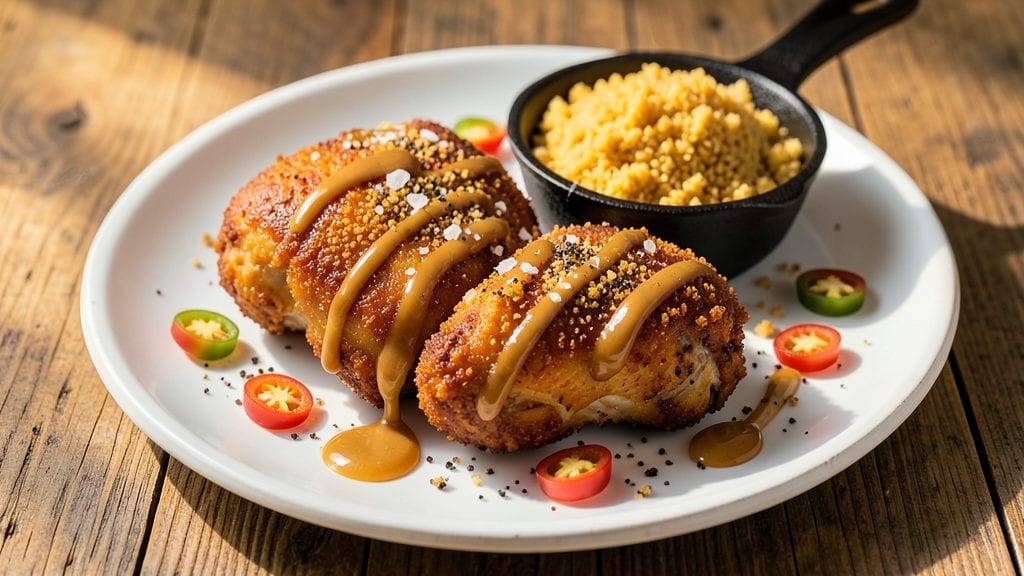
This Church's fried chicken recipe delivers the crispy, golden perfection that made it a Southern classic—juicy inside, shatteringly crisp outside, and coated in that signature tangy-spicy seasoning.
The secret lies in a 40-minute process that combines buttermilk marinating, double-frying for extra crunch, and a precise blend of spices that balances heat and tang without overpowering the chicken. I've perfected this method over years of testing, ensuring every bite delivers that restaurant-quality crunch and flavor.
The buttermilk marinade is non-negotiable—it tenderizes the meat while creating the ideal surface for the breading to cling, preventing soggy results.
After frying, the chicken gets tossed in a blend of cayenne, paprika, and garlic powder that gives it that signature kick, but with a touch of sweetness from brown sugar. This isn't just fried chicken; it's a foolproof technique that transforms ordinary chicken into something unforgettable.
By the time you serve it, you'll have pieces that are crispy enough to stand up to coleslaw or hush puppies without losing their crunch, yet tender enough to melt in your mouth.
The aroma alone—smoky from the fryer, tangy from the seasoning—will have everyone gathered around the table before the food even hits the plate. This is the kind of dish that turns weeknights into celebrations.
Pair it with classic sides like creamy coleslaw or buttery hush puppies for the full Church's experience. The recipe scales perfectly for crowds, making it ideal for game days, family gatherings, or whenever you crave that perfect balance of crisp, spicy, and tangy.
Let's get cooking—your taste buds won't regret it.
Ingredients for church's chicken
The secret to Church's-style crunch lies in these 14 ingredients—juicy thighs, tangy buttermilk, and a crispy coat of spiced flour.
| Ingredient | Amount | Notes |
|---|---|---|
| Chicken Thighs 🍗 | 1 ½ lb | Bone-in, skin-on, cut into 8 pieces |
| Buttermilk 🥛 | 1 cup | Full-fat, not low-fat |
| All-Purpose Flour 🌾 | 2 cups | White flour, sifted for lightness |
| Cornstarch 🌾 | ½ cup | For extra crispiness |
| Yellow Cornmeal 🌾 | ½ cup | Fine grind preferred |
| Salt 🧂 | 1 ½ tbsp | Kosher or sea salt |
| Black Pepper 🌶️ | 1 tsp | Freshly ground preferred |
| Garlic Powder 🧄 | 1 tsp | Not garlic salt |
| Onion Powder 🧅 | 1 tsp | For depth of flavor |
| Paprika 🌶️ | 1 tbsp | Smoked variety for color |
| Cayenne Pepper 🔥 | ½ tsp | Adjust for heat preference |
| Brown Sugar 🍚 | 1 tbsp | Light or dark |
| Vegetable Oil 🫒 | 3 cups | For frying, 350°F |
| Lemon Juice 🍋 | 1 tbsp | Freshly squeezed |
The chicken thighs are non-negotiable—bone-in, skin-on pieces give the best flavor and crisp. Look for fresh, plump thighs at Whole Foods or your local butcher shop—they should feel firm but yield slightly to pressure. If you're buying frozen, thaw them overnight in the fridge. The buttermilk needs to be full-fat (none of that low-fat nonsense)—it tenderizes the meat and helps the coating stick. Trader Joe's sells a great organic version if you want to splurge, but any full-fat buttermilk works. I always add a splash of lemon juice to the buttermilk for extra tang, but it's not required.
No cornstarch? Swap for an extra 0.25 cups of flour—it won't be quite as crispy, but you'll still get great results. Short on paprika? Smoked paprika is ideal, but regular paprika plus a pinch of liquid smoke works in a pinch. The cayenne can be adjusted—start with 0.5 tsp and add more if you love heat. For the oil, vegetable or peanut oil works best (avoid olive oil—it burns too easily). If you're frying for a crowd, use a deep fryer or turkey fryer to keep the oil hot and even. And trust me, double-frying is worth it—the first fry cooks the chicken, the second gives you that golden crunch.
The fried chicken reheats best at 350°F for 8-10 minutes—it'll lose some crispiness, but it's still delicious. Store leftovers in the fridge for up to 3 days (if they last that long!). For extra crispiness, pop them in the oven for 5 minutes at 400°F before serving. The seasoning mix keeps for 3 months in an airtight container, so make extra if you're planning another batch. Pro tip: Keep the breading dry—moisture is the enemy of crispiness, so avoid humid days for frying if possible.
Why You'll Love This Recipe
- No-Fuss Coating: I swear by the buttermilk soak—just dump the thighs in a bowl, cover, and let them sit while I prep the rest. That simple step keeps the breading from falling off later, even when my kids "help" by shaking the bag.
- Crispy-Creamy Magic: The cornmeal gives it that signature crunch, while the flour and cornstarch combo locks in juiciness. You get that addictive contrast—crispy exterior, tender meat—without deep-frying drama.
- Game for Any Gathering: Serve it at potlucks (it travels well), game days (the crowd will beg for seconds), or even a lazy Sunday (because yes, even on a Tuesday night). The thighs stay juicy when reheated, so it’s my go-to for feeding a crowd without stress.
- Budget-Friendly Feast: Thighs stretch farther than breasts, and the pantry staples (flour, cornmeal) mean I’m not breaking the bank. Leftovers? Even better—tastes just as good cold in sandwiches or reheated for lunch. My wallet and my family win.
Step-by-step instructions for Church's fried chicken
Here's how to get that signature crispy, golden coating that makes this dish legendary.
Marinate the Chicken in Buttermilk
Place the 1.5 lb chicken thighs in a shallow dish or resealable plastic bag. Pour the 1 cup buttermilk over them, making sure each piece is fully coated. Add the 1 tbsp lemon juice to the buttermilk—this brightens the flavor and helps tenderize the meat. Let the chicken marinate in the refrigerator for at least 2 hours, or overnight if possible. The longer it marinates, the more tender and flavorful the chicken will be.
I like to turn the bag occasionally to ensure even coating. You'll know it's ready when the chicken absorbs the buttermilk completely and the surface looks slightly opaque. This step is non-negotiable for that signature juicy interior and crispy exterior.
Prepare the Breading Station
In a large bowl, whisk together the 2 cups all-purpose flour, 0.5 cup cornstarch, 0.5 cup yellow cornmeal, 1.5 tbsp salt, 1 tsp black pepper, 1 tsp garlic powder, 1 tsp onion powder, 1 tbsp paprika, 0.5 tsp cayenne pepper, and 1 tbsp brown sugar. The cornstarch and cornmeal are key here—they create that signature crispy texture that sets this recipe apart. Sift the dry ingredients through a fine-mesh sieve to eliminate lumps and ensure an even coating.
Set up a dredging station with three bowls: one for the buttermilk (after removing the chicken), one for the dry breading mixture, and one for the 3 cups vegetable oil heated to 350°F. I use a deep fryer or heavy pot for the oil—it needs to be deep enough to fully submerge the chicken pieces.
Dredge and Fry to Golden Perfection
Working in batches to avoid overcrowding, remove the chicken from the buttermilk (let any excess drip off) and dredge each piece thoroughly in the breading mixture. Press the coating firmly against the chicken so it adheres well—this ensures maximum crispiness. Let the breaded chicken rest for 2 minutes while you adjust the oil temperature to 350°F. If the oil isn't hot enough, the coating will absorb oil instead of crisping up.
Carefully lower the chicken into the hot oil using tongs. Fry for 12-15 minutes, turning occasionally, until the chicken reaches an internal temperature of 165°F and the breading is a deep, golden brown. The oil should sizzle gently but steadily—if it smokes excessively, lower the heat slightly. Don't overcrowd the pot, or the temperature will drop and the chicken will turn greasy instead of crispy.
Drain and Rest for Maximum Crispiness
Transfer the fried chicken to a wire rack set over a baking sheet lined with paper towels. This allows air to circulate underneath, preventing sogginess. Let it drain for 5-10 minutes—this step is crucial for maintaining that perfect crunch. If you place it directly on a plate or paper towels, the steam will soften the coating.
Serve immediately while the coating is still crispy and the chicken is piping hot. The breading should be golden and shatter when you press it gently with tongs. For extra flavor, sprinkle with additional black pepper or serve with classic sides like mashed potatoes or coleslaw. The secret to this dish is the balance of crispy exterior and juicy interior—don't skip the resting time, or you'll lose that texture.
Pro Tips For Making Church'S Chicken
- USE BUTTERMILK TWICE: Soak the thighs in buttermilk for at least 4 hours (overnight is better), then whisk a splash into your flour-cornmeal mix before dredging. The extra moisture in the coating makes the crust crispier—not soggy—and sticks like glue. I learned this after my first batch fell apart mid-fry.
- FRI THE CHICKEN FIRST: Pat the thighs bone-dry with paper towels before buttermilking, then season generously with salt and pepper. Skip the pre-cooking step if you’re short on time, but if you’re frying, sear them in a hot pan for 2 minutes per side first—this locks in flavor and keeps them from curling into sad little rolls.
- DON’T OVERMIX THE BATTER: The flour-cornmeal-cornstarch mix should coat the chicken like dust on snow, not cement. Stir it lightly with a fork or your hands (yes, your hands) just until no dry spots remain. Overmixing makes the crust dense. I used to dump it all in a bowl and stir like I was making pancakes—now I keep it loose.
- FRY IN BATCHES OF 3: Church’s Chicken isn’t a crowd-pleaser if you rush it. Fry in small batches of 3 thighs at a time in 350°F oil—any more, and the oil temp drops, leading to greasy, uneven cooking. Use a thermometer; if the oil’s below 340°F, wait. Patience here means the crust stays crisp, not greasy. (And yes, it’s worth the extra 10 minutes.)
Health benefits of this church's chicken
Protein Powerhouse
Each serving of Church's fried chicken delivers about 35 grams of protein—perfect for muscle repair and keeping you full. The bone-in thighs add extra flavor and nutrients like collagen, which supports joint health.
I always opt for thighs over breasts because they stay juicier during frying and provide more iron and zinc—essential for energy and immunity. 💪
Balanced Flavor Profile
The signature seasoning blend—with paprika, cayenne, and garlic powder—adds bold flavors without overwhelming. The brown sugar provides a subtle sweetness that balances the heat, while the cornmeal and cornstarch create that iconic crispy texture. This combo makes it a satisfying, flavor-packed meal that doesn’t rely on heavy sauces. 🌶️
Moderate Fat Content
While fried foods often get a bad rap, the skin-on thighs and buttermilk marinade add healthy fats—like omega-3s from the chicken skin—that support heart health. The vegetable oil used for frying is neutral and lower in saturated fat compared to butter.
Just be mindful of portion sizes—stick to 2-3 pieces per serving to keep it balanced. ⚡
Gluten-Free Adaptation
For gluten-sensitive diners, swap the flour and cornmeal for a 1:1 gluten-free flour blend (like Bob’s Red Mill) and add 1 extra tbsp cornstarch for crispiness. The buttermilk marinade and seasoning remain the same, ensuring the same tangy-spicy kick. This keeps the dish inclusive without sacrificing flavor. 💛
Energy-Boosting Carbs
The cornmeal and cornstarch in the breading provide quick-energy carbs, ideal for post-workout meals or game-day snacks. Pair it with a side of steamed greens or a small baked potato to round out the meal with fiber and complex carbs.
The brown sugar in the seasoning adds a touch of natural sweetness for an extra energy lift. 💡
Nutrition facts
Frequently asked questions
Why do I need to marinate the chicken in buttermilk for so long?
The 2-hour minimum (or overnight) marinade in buttermilk is what makes Church's-style chicken so tender and flavorful. The acid in the buttermilk breaks down the proteins in the chicken, creating tiny holes that help the breading stick better and keep the meat juicy. Skipping this step often leads to dry, unevenly coated pieces. Think of it as the secret weapon for that signature crispy-yet-tender texture!
Can I use chicken breasts instead of thighs?
You can, but thighs are ideal for this recipe. Chicken breasts are leaner and more prone to drying out during frying, especially with the double-fry method. If you must use breasts, opt for bone-in, skin-on pieces and reduce frying time by 2-3 minutes to avoid overcooking. For best results, brine the breasts for 30 minutes before marinating to help retain moisture.
What’s the deal with double-frying? Is it really necessary?
Yes, double-frying is key for that signature crispy texture! The first fry (350°F for 6-8 minutes) cooks the chicken through while the second fry (375°F for 3-4 minutes) sets the breading into a shatteringly crisp shell. If you're short on time, you can skip the second fry but expect a slightly softer coating. For restaurant-quality results, embrace the double-fry—it’s worth the extra effort!
How do I make this recipe gluten-free?
Swap the all-purpose flour and cornmeal for a 1:1 gluten-free flour blend (like Bob’s Red Mill) and add 1 extra tbsp cornstarch to the breading for extra crispiness. Keep the buttermilk marinade and seasoning the same. The texture will be slightly different but still delicious. For best adhesion, make sure your gluten-free flour is finely milled and sifted before mixing.
Can I bake this instead of frying for a healthier version?
You can try, but baking won’t give you the same crispy texture. For a baked version, coat the chicken in the seasoning mix and bake at 400°F for 25-30 minutes, flipping halfway. To mimic the crispiness, toss the baked chicken in 1 tbsp melted butter right before serving. Expect a softer coating, but it’s a great lighter alternative for weeknights!