
Main Courses
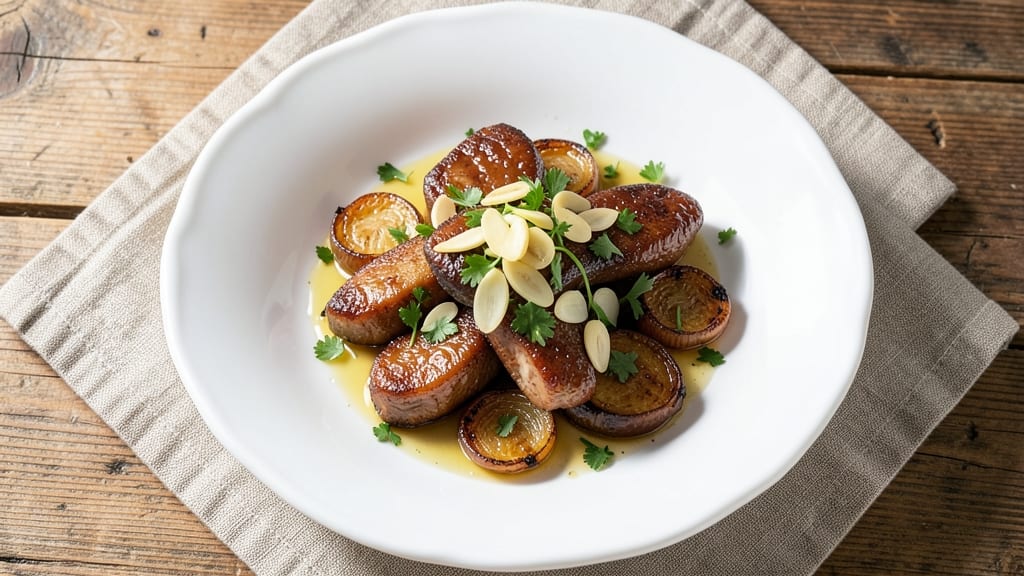
This Barefoot Contessa chopped chicken liver recipe delivers crispy, golden-brown bites that pack intense, savory flavor in every tender morsel. What makes this dish special is how it transforms delicate chicken livers into restaurant-quality appetizers with just a few simple techniques—pan-searing for texture and garlic-parsley deglazing for aroma.
I’ve adapted the classic method to ensure foolproof results at home, even for those new to offal cooking.
The secret lies in proper preparation: soaking the livers to remove bitterness, then searing them quickly over high heat until they develop a crispy crust. A splash of white wine and fresh parsley in the pan transforms the browned bits into a fragrant sauce that coats each bite.
This recipe serves as both an elegant starter and a satisfying main course, proving that chicken livers can be luxurious without being intimidating.
By the end, you’ll have perfectly seared livers with a crispy exterior and a velvety interior, all blanketed in a bright, herby sauce. The contrast of textures—crunchy edges meeting tender meat—makes every bite unforgettable.
Serve with crusty bread to soak up the sauce, or pair with a crisp white wine to complement the dish’s richness.
This method scales easily for gatherings, and the leftovers reheat beautifully. Whether you’re hosting a dinner party or simply craving something sophisticated, this recipe delivers professional-quality results with minimal effort. Let’s get cooking—your taste buds will thank you.
Ingredients for chopped chicken liver recipe barefoot contessa
Fresh livers, crispy texture, and herby sauce—this recipe transforms humble offal into restaurant-worthy bites.
| Ingredient | Amount | Notes |
|---|---|---|
| Chicken Livers 🍗 | 1 lb | Fresh, trimmed of connective tissue |
| Extra-Virgin Olive Oil 🫒 | ¼ cup | High-quality, fruity variety |
| Unsalted Butter 🧈 | 2 tbsp | Cold, cubed for even searing |
| Dry White Wine 🍷 | ¼ cup | Sauvignon Blanc or Pinot Grigio |
| Fresh Parsley 🌿 | ¼ cup | Flat-leaf, finely chopped |
| Garlic Cloves 🧄 | 3 cloves | Minced, for deglazing |
| Lemon Juice 🍋 | 1 tbsp | Freshly squeezed |
| Kosher Salt 🧂 | 1 ½ tsp | For seasoning and soaking |
| Freshly Ground Black Pepper 🌶️ | ½ tsp | Cracked, not powdered |
| Cold Water 💧 | 1 cup | For soaking livers |
| Crusty Bread 🍞 | 8 slices | For serving, optional |
Chicken livers are the star here, so quality matters. Look for bright red, moist livers at your butcher or Whole Foods—they should feel firm and heavy for their size. Trim any connective tissue or yellow fat, then soak them in cold water with salt for 30 minutes to remove bitterness. Costco often sells pre-trimmed livers, which saves time. Avoid livers with a metallic smell or grayish hue—they’ve gone bad. For the wine, Sauvignon Blanc or Pinot Grigio work best, but a dry Riesling will do in a pinch.
No white wine? Chicken broth with a splash of lemon juice mimics the acidity. Fresh parsley is non-negotiable—dried won’t give the same bright flavor. The olive oil should be extra-virgin for heat stability during searing. If you can’t find flat-leaf parsley, curly parsley works too, but chop it extra fine. For the butter, European-style unsalted (like Plugrá) melts more smoothly than American brands. And if you’re nervous about offal, start with half the recipe—it’s easy to double once you’re hooked.
Livers cook fast—2-3 minutes per side—so keep them cold until ready to sear. The sauce thickens as it reduces, so don’t rush it. Leftovers keep for 2 days in the fridge, but reheat gently to avoid drying. For parties, make the sauce ahead and reheat with the livers. The bread? Baguette slices toasted in the same pan as the livers soak up every last bit of sauce—trust me, it’s worth the extra minute.
Why You'll Love This Recipe
- Pan-Fried in Minutes: I swear by this recipe because it’s the kind of dish that goes from raw to sizzling in 15 minutes flat. No fancy techniques—just sear those livers in butter and olive oil until they’re golden, then deglaze with wine. That’s it. The kind of meal that feels indulgent without requiring a PhD in cooking.
- Rich, Wine-Kissed Depth: Between us, chicken livers can be polarizing—but this method turns them into something ridiculously good. The white wine cuts through the richness while the butter and parsley add this bright, herby finish. It’s like a fancy bistro bite, but I make it in my own kitchen.
- Weeknight or Weekend: Honestly, this is my go-to for when I want to impress but don’t want to slave over a meal. Serve it over toast with a fried egg for breakfast, toss it into pasta for dinner, or even stuff it into dumplings. It’s that adaptable. (Yes, even on a Tuesday night.)
- Budget Luxury Leftovers: Chicken livers are cheap, but they taste like a splurge. I often double the batch—one night as a quick pan dish, the next as a filling for ravioli or a topping for polenta. Plus, the leftovers reheat like a dream, so no wasted effort. Smart, satisfying, and secretly frugal.
Step-by-step instructions for pan-searing crispy chicken livers
This method delivers perfectly crispy, golden-brown chicken livers with a rich garlic-parsley finish every time.
Soak and Prepare the Chicken Livers
Place the 1 lb Chicken Livers in a bowl and cover them completely with the 1 cup Cold Water. Add 1.5 tsp Kosher Salt and let them soak for 15 minutes. This step removes any bitterness and ensures tender, juicy livers.
After soaking, drain the livers and pat them completely dry with paper towels. Remove any connective tissue or silver skin from the surface—this prevents tough texture. Once dry, season them generously with 0.5 tsp Freshly Ground Black Pepper. The livers should be completely dry before searing to achieve that crispy exterior we're after.
Sear the Livers in Olive Oil and Butter
Heat a large skillet over medium-high heat and add 0.25 cup Extra-Virgin Olive Oil and 2 tbsp Unsalted Butter. Let the butter melt and foam subside before adding the livers in a single layer—don't overcrowd the pan or they'll steam instead of sear.
Cook the livers for 3-4 minutes per side until they develop a deep golden-brown crust. You'll know they're ready when they release easily from the pan and the edges are crispy. If they stick, press down gently with a spatula for 10 seconds—this helps them release without tearing. Transfer the cooked livers to a plate and tent loosely with foil to keep warm.
Deglaze with Wine and Garlic
Reduce the heat to medium and add the 3 cloves Garlic Cloves (minced) to the same skillet. Cook for 30 seconds until fragrant—don't let the garlic burn. Pour in the 0.25 cup Dry White Wine and scrape up all the browned bits from the bottom of the pan with a wooden spoon. This deglazing captures all the flavor from the searing process.
Simmer the wine mixture for 2-3 minutes until reduced by half. The sauce should coat the back of a spoon and have a rich, aromatic depth. If it reduces too quickly, add 1 tablespoon of the reserved cold water to loosen it slightly while maintaining concentration.
Finish with Lemon and Parsley
Return the seared livers to the skillet and spoon the wine-garlic sauce over them. Add the 1 tbsp Lemon Juice and toss everything together for 1 minute to coat the livers evenly. The acidity brightens the dish and balances the richness.
Stir in the 0.25 cup Fresh Parsley (finely chopped) and cook for another 30 seconds just to wilt the herbs and infuse their flavor. Taste and adjust seasoning if needed—you might need a pinch more salt or pepper to complement the garlic and lemon.
Serve Immediately with Crusty Bread
Transfer the livers to a warm serving platter and serve immediately with the 8 slices Crusty Bread. The contrast between the crispy livers and the bread creates the perfect textural experience. Each bite should deliver that satisfying crunch followed by tender, flavorful liver.
For best results, serve while the livers are still warm and crispy. The sauce should cling to each piece, offering layers of garlic, parsley, and a bright lemon finish. Leftovers can be refrigerated but are best enjoyed fresh.
Pro Tips For Making Chopped Chicken Liver Recipe Barefoot Contessa
- Soak Livers First: Toss them in cold water with lemon juice for 20 minutes—this removes that metallic taste and makes them silky. I used to skip this, and the wine just couldn’t mask the bitterness. Trust me, it’s worth the wait.
- Use Two Pans: Sear the livers in a cold, dry skillet first—no oil—until they release their juices, then finish in a second pan with the butter and wine. Crowding the pan turns them greasy; this two-step keeps them tender and crisp.
- Deglaze Aggressively: After searing, pour in the wine immediately and let it bubble hard for 30 seconds—this scrapes up every bit of flavor stuck to the pan. I learned this after tasting a batch where I’d just swirled it around lazily. The difference is night and day.
- Toast the Parsley: Toss the chopped parsley into the pan at the very end and let it sizzle for 10 seconds—it deepens the flavor and gives the dish a bright, fresh finish. Sounds weird, but it works, and it’s the little detail that makes the recipe feel restaurant-worthy.
Common mistakes when making this dish
Skipping the Soak
One of the biggest mistakes is omitting the 15-minute saltwater soak—this critical step removes bitterness and tenderizes the livers. I’ve seen livers turn rubbery when skipped, especially if they’re larger or older.
Use 1 cup cold water and 1.5 tsp kosher salt for every 1 lb of livers. If you’re in a hurry, a 10-minute soak works, but don’t skip it entirely. 💧
Overcrowding the Pan
Adding too many livers at once causes them to steam instead of sear, resulting in soggy, unevenly cooked pieces. I use a 12-inch cast-iron skillet for 1 lb of livers—arrange them in a single layer with space between each.
If your pan is smaller, cook in batches. Overcrowding also makes it harder to flip them cleanly, leading to torn edges. 🍳
Undercooking or Overcooking
The livers should reach an internal temperature of 145°F—any higher and they’ll dry out. I use a meat thermometer for accuracy, but visual cues matter too: golden-brown crust and a slightly pink center.
Overcooking turns them gray and tough, while undercooking leaves them raw-tasting. Sear for 3-4 minutes per side—no more! 🌡️
Burning the Garlic
Garlic burns in seconds, turning bitter and overpowering the dish. Sauté the 3 minced cloves over medium heat for just 30 seconds until fragrant. If your pan is too hot, reduce the heat slightly or pull the skillet off the burner for a moment.
Burnt garlic ruins the delicate balance of flavors in this recipe. 🧄
Ignoring the Deglaze
Skipping the wine deglaze means losing all the flavorful browned bits (fond) from the pan. These bits are packed with umami goodness that elevates the dish. After searing, immediately add the 0.25 cup dry white wine and scrape vigorously with a wooden spoon.
This step transforms a good dish into a restaurant-quality one. Don’t rush it—let the wine reduce by half for maximum impact. 🍷
Using Old or Poor-Quality Livers
Old or low-quality livers develop a metallic taste and tough texture. Always buy fresh, bright red livers from a trusted butcher or grocery store—avoid grayish or slimy ones. If you’re unsure, ask for them to be trimmed and cleaned.
For best results, use livers within 24 hours of purchase. When in doubt, Whole Foods or Costco carry reliable pre-trimmed options. 🍗
Nutrition facts
Frequently asked questions
Why do chicken livers need to soak in saltwater?
The 15-minute saltwater soak removes natural bitterness and excess blood, while tenderizing the meat. Skipping this step can leave your livers rubbery or overly gamey. Think of it like a quick marinade for delicate offal—it’s non-negotiable for that restaurant-quality texture.
Can I substitute white wine with something else?
Yes! Use chicken broth + 1 tbsp lemon juice for the same acidity, or a splash of apple cider vinegar (start with 1 tsp). Avoid red wine—it’ll overpower the dish. The key is acidity to balance the richness, not the alcohol itself.
How do I know when the livers are fully cooked?
They’re done when they reach 145°F internally and develop a golden-brown crust with a slightly pink center. Overcooking turns them gray and dry, while undercooked livers taste raw. A quick stab with a knife should show no pink juice—if unsure, use a meat thermometer for precision.
What’s the best way to reheat leftovers?
Reheat gently in a skillet over low heat with a splash of water or broth (just enough to steam) for 2-3 minutes). Microwaving dries them out. For extra crispiness, broil for 1-2 minutes at the end—just watch closely to avoid burning. Leftovers keep for 2 days in the fridge.
Can I make this recipe ahead of time?
Prepare the sauce ahead and store it separately—reheat it with the livers when ready. For the livers themselves, cook them fresh and serve immediately for that crispy texture. If you must prep ahead, cook the livers 1 day in advance, store them in the fridge, and reheat gently. The sauce loses its brightness when made too early.