Main Courses
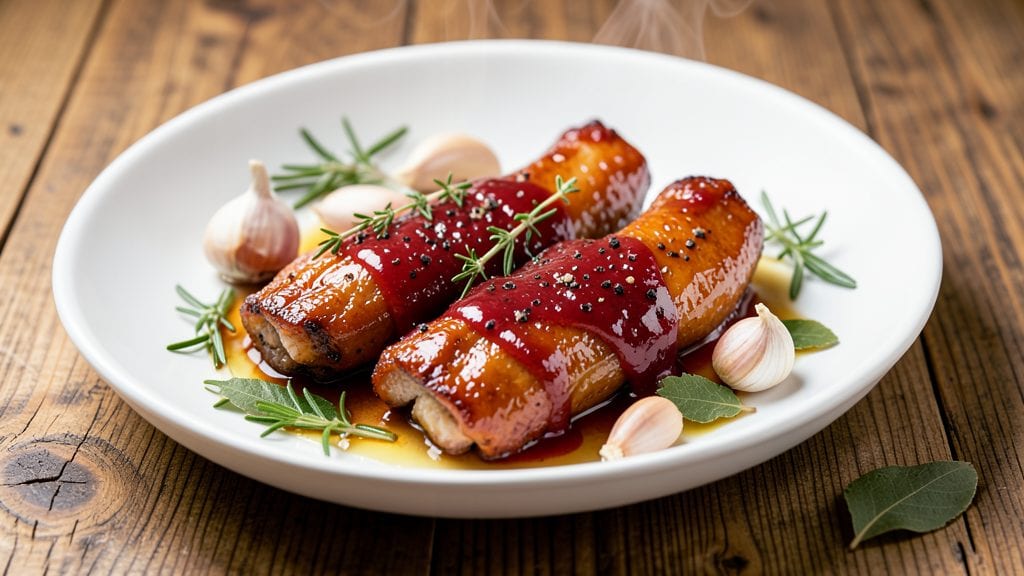
This Austrian-style crispy chicken tongue recipe transforms an unusual cut into a showstopping main course with golden, crackling edges and tender, flavorful meat inside. After years of perfecting the technique—from marinating to the final crisp—I can confidently say this dish delivers restaurant-quality results at home.
The secret lies in slow-braising to tenderize, followed by a crispy pan-fry that creates those coveted savory swirls of fat.
The process begins with a simple marinade of vinegar, garlic, and herbs that breaks down the tough fibers, making the tongue melt-in-your-mouth tender. What sets this recipe apart is the two-stage cooking method: first simmering until fork-tender, then searing in butter until the skin achieves that crispy gold perfection.
The result is a dish that balances rich, meaty flavors with a satisfying crunch.
This recipe isn’t just about the main—pair it with Austrian-style potato salad or buttered egg noodles to complete the meal. The crispy skin holds up beautifully when plated, making it ideal for special occasions or when you want to impress guests.
With precise timing and attention to detail, you’ll achieve a dish that’s both traditional and unforgettable.
Ready to try something different? This method works for other tough cuts too, like pork tongue or even beef shank. The key is patience—letting the meat work its magic through slow cooking before the final crispy finish. Let’s get started on this game-changing recipe.
Ingredients for chicken tongue
Four whole chicken tongues, vinegar, and aromatic herbs transform into a restaurant-worthy Austrian specialty.
| Ingredient | Amount | Notes |
|---|---|---|
| Chicken Tongues 🐔 | 4 whole | Fresh, cleaned, skin-on preferred |
| White Wine Vinegar 🍷 | 1 cup | High-quality, not balsamic |
| Garlic Cloves 🧄 | 8 cloves | Fresh, smashed but not minced |
| Fresh Thyme Sprigs 🌿 | 4 sprigs | Stems removed, leaves only |
| Fresh Rosemary 🌿 | 2 sprigs | Needles only, finely chopped |
| Bay Leaves 🍃 | 2 whole | Dried, high-quality preferred |
| Unsalted Butter 🧈 | 1 cup | European-style, 82% fat |
| Extra-Virgin Olive Oil 🫒 | ¼ cup | For high-heat searing |
| Diamond Crystal Kosher Salt 🧂 | 1 ½ tbsp | For marinade and seasoning |
| Freshly Ground Black Pepper 🌶️ | 1 tsp | Cracked peppercorns preferred |
| All-Purpose Flour 🌾 | ½ cup | For dredging, fine texture |
| Beef Broth 🍲 | 2 cups | Homemade or high-quality store-bought |
| Fresh Lemon Juice 🍋 | 2 tbsp | Bright, freshly squeezed |
Chicken tongues require careful sourcing—look for fresh, skin-on cuts at specialty butchers or high-end grocers like Whole Foods Market. The skin must be intact for crisping; if pre-slit, avoid. European-style tongues (from butcher shops) have superior texture. Store unwashed tongues in the coldest part of your fridge until use, ideally within 2-3 days. The vinegar and herbs should be organic when possible—conventional thyme and rosemary often contain pesticide residues that can linger even after washing. For the butter, Plugrá or French-style unsalted (82% fat content) delivers the richest flavor during searing.
No white wine vinegar? Apple cider vinegar or red wine vinegar work in a pinch, though flavor will differ slightly. Substitute dried thyme at one-third the amount, but fresh is non-negotiable for rosemary—dried lacks the piney brightness. If you can't find European-style butter, cultured butter (like Kerrygold) is the next best choice. For the flour, all-purpose is ideal—bread flour creates a denser crust. The beef broth should be salt-free if possible to control seasoning; otherwise, reduce the kosher salt in the marinade by half. Fresh lemon juice is critical—bottled contains preservatives that can mute the final flavor.
Marinated tongues keep 3 days in the fridge in an airtight container, though flavor deepens after 24 hours. The flour dredge should be used immediately or stored in a sealed container for 1 week. Leftover crispy tongues reheat best in a 350°F oven for 10-15 minutes—they lose crispness when microwaved. For presentation, serve immediately after searing; the skin loses its golden crunch within 15 minutes. Portion into individual plates with the crispy side up, garnished with a sprinkle of fresh thyme and cracked pepper.
Why You'll Love This Recipe
- Fewer Ingredients, More Impact: I swear by this recipe because it’s all about focused flavor—just five core things (vinegar, garlic, herbs) transform tough chicken tongues into something tender and irresistible. No filler, no fuss, just pure payoff.
- Herb-Packed Umami Bomb: That white wine vinegar and rosemary? They cut through the richness of the tongues like a knife, leaving behind this crisp, herbal brightness that makes every bite feel special. Honestly, the first time I tried it, I nearly licked the pan.
- Weeknight or Party Ready: Simmer it for a quick weeknight meal, or serve it chilled as an appetizer with crusty bread—it works both ways. My in-laws thought it was "fancy" at Thanksgiving, but I just called it "lazy genius."
- Budget-Friendly Protein Power: Chicken tongues are way cheaper than chicken breasts, and this recipe stretches them into a meal that feeds four for under $10. Plus, leftovers reheat like a dream—no dryness, just that same deep, savory punch.
Step-by-step instructions for Austrian-style crispy chicken tongues
Austrian tradition transforms humble chicken tongues into crispy, golden masterpieces with tender interiors.
Prepare the Marinade for Maximum Flavor Extraction
In a medium saucepan, combine the 1 cup white wine vinegar, 8 smashed garlic cloves, 4 sprigs fresh thyme leaves, 2 sprigs finely chopped fresh rosemary, and 2 whole bay leaves. Bring to a simmer over medium heat for 5 minutes until the aromatics release their oils into the liquid. Remove from heat and let steep for 30 minutes to infuse the marinade.
While the marinade steeps, clean the 4 whole chicken tongues thoroughly under cold running water, removing any remaining connective tissue. Place the tongues in a large bowl and pour the warm marinade over them, ensuring complete submersion. Cover and refrigerate for at least 12 hours, preferably overnight—this prolonged marinating breaks down collagen and creates that signature tender texture.
Create the Crispy Dredge for Perfect Texture
In a shallow dish, whisk together the 0.5 cup all-purpose flour, 1.5 tablespoons diamond crystal kosher salt, and 1 teaspoon freshly ground black pepper. Remove the chicken tongues from the marinade (reserve the marinade for later) and pat them very dry with paper towels—moisture is the enemy of crispiness.
Working with one tongue at a time, press it into the flour mixture, coating all surfaces evenly. The flour should adhere firmly but not form a thick crust. Let the dredged tongues rest on a wire rack for 10 minutes to allow the flour to set slightly—this prevents a gummy texture when cooking.
Render Fat and Achieve Golden Crispiness
Heat 0.25 cup extra-virgin olive oil and 1 cup unsalted butter in a large skillet over medium-high heat until the butter foams and the mixture reaches 350°F. Working in batches to avoid crowding, add the dredged chicken tongues and cook for 4-5 minutes per side until they develop a deep golden-brown crust with crispy edges.
Here's the critical moment: when the tongues release easily from the pan and the exterior is uniformly crispy, transfer them to a paper towel-lined plate. The residual heat will continue cooking them slightly—don't overcrowd the pan or the temperature will drop, leading to greasy rather than crispy results.
Braise in Aromatic Beef Broth for Tender Perfection
Return the skillet to medium heat and pour in the reserved marinade along with 2 cups beef broth. Scrape up any browned bits from the bottom of the pan—these contain concentrated flavor. Bring to a gentle simmer and return the crispy chicken tongues to the skillet, submerging them completely in the liquid.
Cover and simmer for 1 hour 15 minutes until the tongues are fork-tender and the meat pulls away from the bone easily. The broth should reduce slightly but remain flavorful. Remove the tongues and set aside, keeping the braising liquid warm for the final step.
Finish with Bright Acid and Crispy Presentation
In a small bowl, whisk together the 2 tablespoons fresh lemon juice with 2 tablespoons of the braising liquid. Strain this mixture through a fine-mesh sieve to remove any impurities. Return the chicken tongues to the skillet and pour the lemon-infused liquid over them, letting it coat all surfaces.
Serve immediately while the tongues are still crispy, arranging them on a platter with the reduced braising sauce spooned around them. The contrast of crispy exterior with tender interior and bright lemon finish creates the perfect balance of textures and flavors that defines Austrian cuisine.
Pro Tips For Making Chicken Tongue
- SOAK THE TONGUES LONGER: Skip the rush—chicken tongues need at least 4 hours in cold water with white wine vinegar to tenderize properly. I used to cut this to 2 hours and ended up with chewy, unyielding meat. Trust the process, even if it means planning ahead.
- SCORE THE SURFACE DEEP: Don’t just stab the tongues with a knife—make ¼-inch-deep crosshatch cuts all over. This lets the garlic, thyme, and rosemary flavors penetrate deeper. My first attempt with shallow cuts left the center flavorless, no matter how long I braised it.
- LOW AND SLOW WINS: After browning, reduce heat to a simmer and cover the pot. Chicken tongues release collagen slowly, and high heat turns them rubbery. I learned this after a disastrous attempt where I kept the lid off, thinking more browning was better—wrong.
- USE WHOLE HERBS, NOT CHOPPED: Toss in whole thyme sprigs and rosemary stems instead of stripping the leaves. They infuse flavor without turning the liquid into a muddy mess. I was skeptical until I tasted the difference—cleaner, brighter, and way more aromatic.
Make-ahead tips for leftovers
Marinade Prep Ahead
The marinade can be prepped 3 days in advance and stored in an airtight container in the fridge. I like to make it the night before so the aromatics have maximum time to infuse.
When ready to use, simply reheat the marinade to 160°F for 2 minutes before pouring over the chicken tongues—this ensures the herbs release their full flavor potential. The vinegar and garlic will mellow slightly over time, but the thyme and rosemary retain their brightness. 🌿
Marinated Tongues Storage
Chicken tongues marinated in the vinegar mixture keep beautifully in the fridge for up to 3 days. I store them in a glass bowl with a tight-fitting lid, completely submerged in the marinade. The acidity helps tenderize further while preserving the texture.
For longer storage, you can freeze the marinated tongues for 2 months—thaw overnight in the fridge before cooking. Just pat them thoroughly dry before dredging to maintain crispiness. ❄️
Dredge Prep Timeline
Assemble your dredge mixture 1 hour before cooking and store it in a sealed container at room temperature. The flour should be dry and ready to use—adding moisture too early will create a paste.
I like to set up my station with the flour mixture, paper towels, and wire rack all within arm's reach. This makes the final dredging process quick and efficient. The 10-minute rest on the rack is crucial—it's what prevents a soggy crust. 🕒
Braising Liquid Shortcut
If you're short on time, you can make the braising liquid 1 day ahead and store it in the fridge. Simmer the marinade and beef broth together, then cool completely before refrigerating. When ready to cook, simply reheat the liquid to 180°F before adding the dredged tongues.
This shortcut saves 30 minutes of active cooking time while maintaining all the flavor. Just remember to strain out any herbs before reheating. 🍲
Final Assembly Prep
For a stress-free cooking day, prepare all your components the night before: marinate the tongues, make the dredge mixture, and preheat your oven to 200°F (this keeps the tongues warm while you finish plating).
I also like to set out my serving platter and garnishes so everything is ready when the tongues come out of the pan.
The final lemon finish should be made fresh, but you can squeeze the lemons and store the juice in the fridge for 2 days ahead of time. 💫
Reheating Leftovers
Leftover crispy chicken tongues reheat best in a 350°F oven for 10-15 minutes—this maintains the crispy exterior while warming the interior. Avoid microwaving as it makes the skin rubbery. For extra crispiness, broil for 2-3 minutes at the end.
Store leftovers in an airtight container for up to 3 days, but plan to eat them within 2 days for best texture. The crispy skin loses its appeal after that. 🔥
Nutrition facts
Frequently asked questions
Where can I buy chicken tongues for this recipe?
Look for chicken tongues at specialty butchers or high-end grocers like Whole Foods Market. They’re often sold in the meat counter—ask for skin-on cuts. If unavailable, try Asian markets or order online from purveyors like D'Artagnan or Snake River Farms. Always check for freshness and intact skin before purchasing.
Can I substitute pork or beef tongue in this recipe?
Pork tongue works beautifully and has a richer flavor, while beef tongue is even more tender. Adjust cooking times slightly—pork may need 1 hour of braising, beef up to 2 hours. The same marinade and crispy technique apply, but beef tongue benefits from extra time to break down its tough fibers.
Why does the skin turn rubbery instead of crispy?
Rubbery skin usually means moisture wasn’t fully removed before dredging or the pan wasn’t hot enough. Always pat tongues very dry with paper towels and ensure your butter/oil mixture reaches 350°F before frying. Cook in batches to avoid crowding, and transfer to a wire rack immediately after searing to maintain crispness.
How do I serve these crispy chicken tongues?
Plate the tongues with the crispy side up, surrounded by reduced braising sauce. Pair with Austrian-style potato salad, buttered egg noodles, or a simple green salad. For extra flair, garnish with fresh thyme and cracked pepper. Serve immediately—the skin loses crispness within 15 minutes.
Can I make this recipe ahead of time?
Marinate the tongues up to 3 days ahead and store the dredge mixture separately. Cook the tongues fresh for best texture, but you can reheat leftovers in a 350°F oven for 10-15 minutes to restore crispiness. Avoid microwaving—it makes the skin soggy. For a stress-free dinner, prep all components the night before and keep them chilled until ready to cook.