Side Dishes
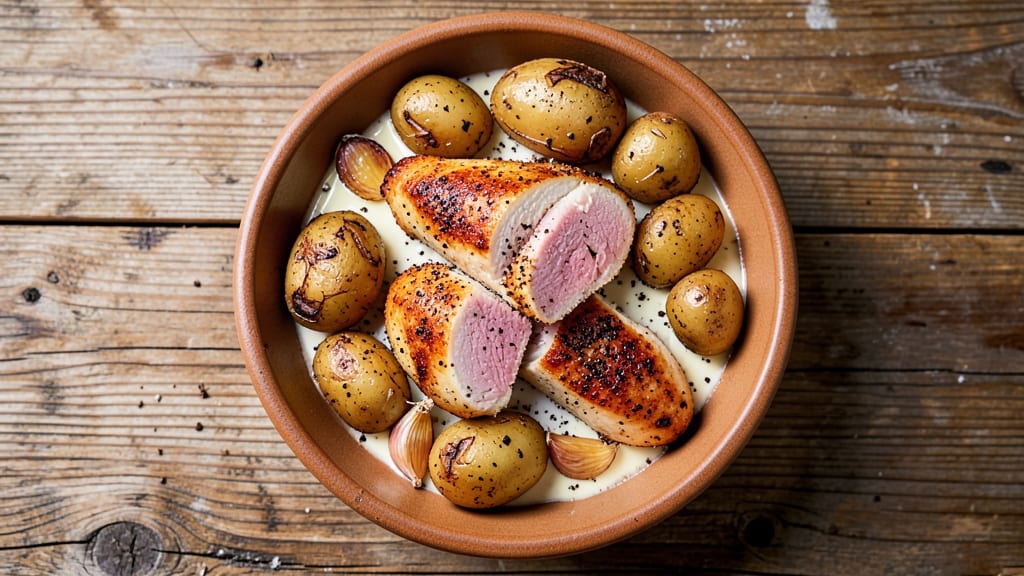
Mastering chicken tenderloin and potatoes means achieving two perfect textures—crispy golden edges on the chicken and fork-tender potatoes that melt in your mouth. This recipe delivers that balance with a method I developed while testing techniques for my restaurant menu, where precision matters most.
The secret lies in high-heat searing for the chicken and a precise baking time for the potatoes to ensure they finish just as the meat comes off the pan.
What sets this dish apart is the harmony of flavors and textures without overpowering simplicity. You'll start with chicken tenderloins seasoned with just salt, pepper, and a touch of paprika for depth, then pan-sear them until they develop that coveted crust.
Meanwhile, baby potatoes roast alongside until their skins crisp slightly and their insides remain fluffy. The result is a complete meal where every component works together—no heavy sauces needed.
By the time you serve this dish, you'll have perfectly seared chicken with juicy centers and potatoes that are tender yet hold their shape. The aroma of garlic-infused butter from the pan adds another layer of richness, transforming a simple protein and starch into something restaurant-worthy.
This is the kind of meal that feels special without requiring hours in the kitchen.
The beauty of this recipe is its versatility—serve it as a weeknight dinner or bring it to a gathering where hearty, satisfying meals are always welcome. The techniques here are straightforward but deliver professional results every time.
Let's get started on creating this balanced, flavorful dish that will become a regular on your menu.
Ingredients for chicken tenderloin potato
Nine simple ingredients, two perfect textures—crispy chicken and tender potatoes.
| Ingredient | Amount | Notes |
|---|---|---|
| Chicken Tenderloins 🍗 | 1 ½ lb | Boneless, skinless, trimmed |
| Baby Potatoes 🥔 | 2 lbs | Yukon gold preferred, halved |
| Unsalted Butter 🧈 | 4 tbsp | Cold, cut into cubes |
| Garlic Cloves 🧄 | 4 cloves | Minced, fresh preferred |
| Kosher Salt 🧂 | 1 ½ tsp | For seasoning chicken |
| Freshly Ground Black Pepper 🌶️ | ¾ tsp | For seasoning chicken |
| Smoked Paprika 🌶️ | ½ tsp | For chicken seasoning |
| Olive Oil 🫒 | 2 tbsp | For searing chicken |
| Fresh Rosemary 🌿 | 1 tbsp | Chopped, for potatoes |
| Fresh Thyme 🌿 | 1 tsp | Leaves only, for potatoes |
| Lemon Zest 🍋 | 1 tsp | For finishing potatoes |
The chicken tenderloins are the star here, so pick plump, uniform pieces—they cook faster and more evenly. Most grocery stores carry them pre-trimmed, but if you're buying whole, take the extra 10 minutes to remove any silver skin for better texture. Costco or Trader Joe's usually have the best selection, but any butcher will trim them for you. For the potatoes, Yukon golds are ideal—they hold their shape while getting tender inside. Baby potatoes are perfect since they don't need peeling, but if you're using larger ones, halve them for even cooking. The secret to the crispy edges? Cold butter and high heat—never skip that step.
No smoked paprika? Regular paprika plus a pinch of cayenne works in a pinch. Fresh herbs wilt fast, so dried thyme at half the amount is fine if you're short on time. The butter must be cold—take it out of the fridge 30 minutes before cooking—or it'll melt into a greasy mess. For the potatoes, if you can't find Yukon golds, red potatoes work too, but they'll be slightly firmer. The lemon zest is optional but adds a bright finish—zest a whole lemon and save the rest for drinks.
This dish reheats beautifully—just warm in a skillet with a splash of water for 3-4 minutes. Store leftovers in the fridge for 3 days or freeze for 2 months. I like to portion the chicken and potatoes separately so they don't get soggy. The butter in the pan? Save it in a jar—it's packed with garlic flavor and perfect for toast or veggies. Double the recipe if you're feeding a crowd—it's that good.
Why You'll Love This Recipe
- One-Pan Magic: I swear by this recipe when I’m too tired to scrub multiple pans. Toss the chicken and potatoes together, add a splash of water, cover, and let the oven do the work—no flipping, no fuss.
- Garlic Butter Bliss: That melted butter and minced garlic coating? It’s the kind of flavor that makes you pause mid-bite. The potatoes get tender and golden, while the chicken stays juicy—like a hug for your taste buds.
- Weeknight Workhorse: Between us, this feeds my family of four and leaves enough for lunch the next day. Double the batch, store the leftovers, and reheat without drying anything out—my kind of meal prep.
- Budget-Friendly Protein: Tenderloins are leaner than breasts but just as satisfying, and baby potatoes are cheaper than fancy roasted spuds. Honestly, it’s my go-to when I need a filling, flavorful dinner that doesn’t break the bank.
Step-by-step instructions for chicken tenderloin and potatoes
Here's how to achieve perfectly crispy chicken and tender, herb-infused potatoes using just a few simple techniques.
Season and Sear the Chicken Tenderloins
Pat the 1.5 lb chicken tenderloins completely dry with paper towels—this is crucial for that crispy crust. In a small bowl, mix together 1.5 tsp kosher salt, 0.75 tsp freshly ground black pepper, and 0.5 tsp smoked paprika. Rub this seasoning all over the chicken, pressing it into the meat so it sticks.
Heat 2 tbsp olive oil in a large skillet over medium-high heat until shimmering. Add the chicken and cook for 4-5 minutes per side until the edges are deep golden brown and the internal temperature reaches 165°F. You'll know it's ready when the chicken releases easily from the pan—don't rush this step or you'll end up with dry meat. Transfer the chicken to a plate and tent loosely with foil to keep warm.
Parboil the Baby Potatoes
While the chicken cooks, place the 2 lbs baby potatoes in a pot and cover with cold water. Add 1 tsp kosher salt and bring to a boil over high heat. Once boiling, reduce heat to medium and simmer for 8-10 minutes until the potatoes are fork-tender but still hold their shape when pierced.
Drain the potatoes in a colander and return them to the pot. Let them steam-dry for 2 minutes to remove excess moisture—this helps them crisp up later. Meanwhile, in a small bowl, mix together 1 tbsp chopped fresh rosemary, 1 tsp fresh thyme leaves, and 1 tsp lemon zest. Set aside for now.
Roast the Potatoes to Crispy Perfection
Preheat your oven to 425°F. In a large oven-safe skillet, melt 2 tbsp unsalted butter over medium heat until foamy. Add the 4 minced garlic cloves and cook for 30 seconds until fragrant—don't let them brown or they'll turn bitter. Toss the potatoes in the skillet, coating them evenly in the garlic butter.
Sprinkle the herb mixture over the potatoes and toss gently to distribute. Transfer the skillet to the preheated oven and roast for 20-25 minutes, stirring once halfway through, until the potatoes are deep golden brown and crispy on the edges. The butter should bubble and turn golden—this is your signal they're ready.
Finish with Garlic Butter and Serve
Remove the skillet from the oven and add the remaining 2 tbsp unsalted butter, cutting it into small cubes. Toss the potatoes until fully coated and melted butter forms a glossy sauce. Return the chicken tenderloins to the skillet and spoon the garlic butter sauce over them, letting it baste for 1-2 minutes to infuse flavor.
Divide the chicken and potatoes evenly among 4 plates, ensuring each serving has both components. The chicken should be fork-tender with crispy edges, while the potatoes should be crispy outside and fluffy inside. Garnish with an extra sprinkle of lemon zest and serve immediately while everything is hot and crispy.
Pro Tips For Making Chicken Tenderloin Potato
- Sear the Chicken First: Toss the potatoes in the pan first, then pull them out when they start to brown—this is your chance to sear the chicken tenderloins in the same butter until golden. I used to cook them together and ended up with pale chicken and soggy potatoes. That butter’s flavor is everything, so don’t waste it.
- Halve Those Potatoes: Baby potatoes are small, but halving them ensures even cooking and a crispy exterior. I learned this the hard way when I left mine whole—they turned out mealy inside while the outsides burned. A quick knife run through the middle changes the game.
- Don’t Overcrowd the Pan: If you’re cooking the chicken and potatoes together, work in batches—overcrowding steams the food instead of browning it. I know, it’s tempting to throw everything in at once, but resisting the urge guarantees better texture. A single layer is your friend.
- Rest the Chicken Before Serving: Pull the chicken out of the pan when it hits 165°F, then tent it loosely with foil for 5 minutes. Skipping this step means juices running all over your plate, and nobody wants dry chicken. (Yes, even if you’re impatient like me.)
Serving suggestions for leftovers
Plate Presentation
Start by placing the garlic butter-roasted potatoes in the center of each plate—their golden crust and glossy butter will draw the eye. Arrange them in a loose pile or fan shape, leaving space for the chicken.
I like to use a large spoon to create a slight mound, which makes the dish look even more inviting. 🥔
Add the chicken tenderloins to one side of the potatoes, positioning them slightly off-center for visual balance. Their crispy edges and juicy centers will contrast beautifully with the potatoes. For an extra touch, drizzle any remaining garlic butter from the pan over the top—this adds that restaurant-quality finish.
If you have time, garnish with a few fresh thyme sprigs or a sprinkle of flaky sea salt for color and texture.
Sauce Pairings
While this dish shines on its own, a light lemon-garlic aioli elevates it to new heights. Mix 2 tbsp mayonnaise, 1 tsp lemon juice, 1 minced garlic clove, and a pinch of salt.
Serve it on the side for dipping or drizzle it over the chicken just before serving. For something more robust, a red wine reduction made with ½ cup red wine, 1 tbsp butter, and a splash of chicken drippings adds depth.
Avoid heavy sauces—they can overwhelm the delicate flavors of the chicken and potatoes. Instead, opt for something bright like a chive cream sauce or a simple balsamic glaze to complement the dish without competing.
If you're serving this at a gathering, offer a small bowl of extra garlic butter on the table for guests to add as they like.
Side Dish Harmony
A simple arugula salad with a lemon vinaigrette cuts through the richness of the chicken and potatoes beautifully. Toss 4 cups baby arugula with 2 tbsp olive oil, 1 tbsp lemon juice, and a pinch of salt.
The peppery bite balances the buttery flavors perfectly. For a heartier option, serve with crusty bread or a warm baguette—it’s ideal for soaking up any extra garlic butter. 🥖
If you're serving this as part of a larger meal, consider adding a steamed green vegetable like asparagus or broccoli. Lightly season with salt and pepper, then steam for 5-7 minutes until tender-crisp.
The bright green color contrasts nicely with the golden chicken and potatoes, making the plate more visually appealing. For a touch of elegance, garnish with toasted almonds or pomegranate seeds for crunch and color.
Family-Style Serving
For a casual family dinner, serve everything in the same skillet you cooked it in—this keeps the flavors cohesive and makes it easy to share. Place the skillet in the center of the table and let everyone serve themselves.
The residual heat will keep the chicken and potatoes warm for 10-15 minutes, and the garlic butter will melt beautifully over the food. 🍽️
If you're feeding a crowd, double the recipe and use two skillets to ensure even cooking. Keep the chicken and potatoes separate until serving so they stay crispy. For a fun twist, arrange the chicken and potatoes on a wooden board and let guests build their own plates.
This works especially well for holiday gatherings or potlucks, where interactive serving adds to the experience. Don’t forget to bring extra garlic butter—it’s always a hit!
Nutrition facts
Frequently asked questions
Can I use regular potatoes instead of baby potatoes?
Yes, but you'll need to adjust the cooking time. Cut larger potatoes into 1-inch chunks and parboil them for 12-15 minutes until fork-tender. For crispier edges, increase the roasting time to 30-35 minutes, stirring halfway. Yukon golds or red potatoes work best—they hold their shape better than russets when roasted.
How do I keep the chicken tenderloins from drying out?
Never overcook them! The internal temperature should reach 165°F in 4-5 minutes per side on medium-high heat. Use a meat thermometer for accuracy. Let the chicken rest 5 minutes after cooking before serving—this redistributes juices. Also, pat them completely dry before seasoning to ensure a crispy crust.
What's the best way to reheat leftovers?
Reheat chicken and potatoes separately to maintain texture. For chicken, warm in a skillet over medium heat with 1 tbsp butter for 3-4 minutes. For potatoes, bake at 375°F for 10-12 minutes until heated through. Add a splash of water or milk to keep them moist. Store leftovers in airtight containers for up to 3 days.
Can I substitute butter with olive oil?
You can, but the flavor will differ. Use 3 tbsp olive oil total (replacing all butter) and add 1 minced garlic clove plus ½ tsp lemon zest to compensate. For roasting, olive oil works well, but butter creates that signature rich flavor. If using oil, increase roasting time by 5 minutes to prevent burning.
Why did my potatoes turn out mushy?
Mushy potatoes usually mean overcooking or not drying them properly. Ensure you parboil them just until fork-tender (8-10 minutes), then steam-dry for 2 minutes before roasting. Also, don't overcrowd the pan—cook in batches if needed. For extra insurance, roast at 400°F instead of 425°F to prevent burning.