
Soups & Stews
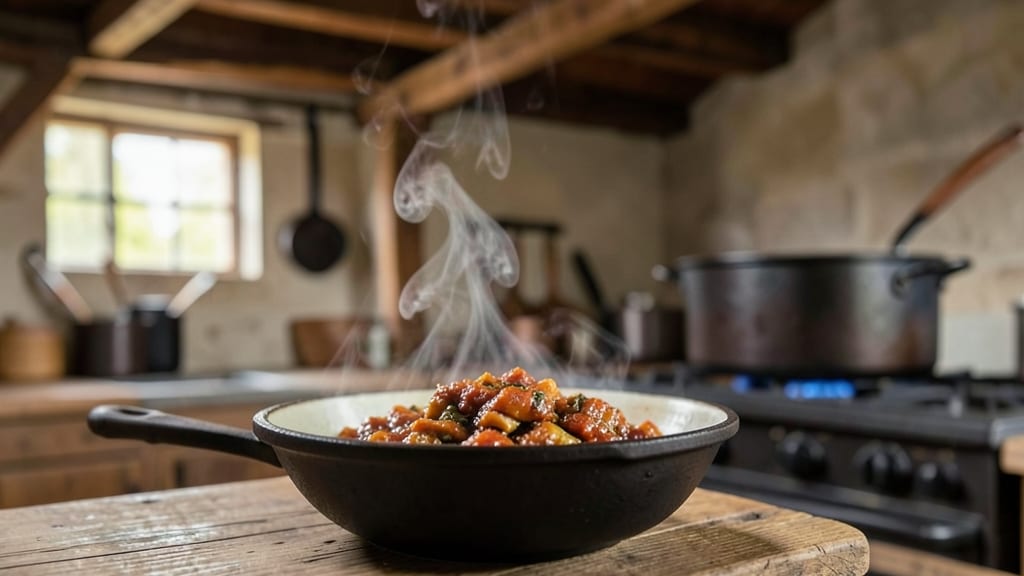
This chicken sancocho recipe brings the soul of Colombia's most beloved stew into your kitchen, where tender chicken, hearty vegetables, and aromatic herbs simmer together into a deeply comforting dish.
The secret lies in slow cooking the chicken until it falls apart effortlessly, creating a broth so rich it becomes the star of the meal.
I first discovered this recipe during a visit to Bogotá, where my grandmother taught me that patience is key—letting flavors meld over hours transforms simple ingredients into something extraordinary.
What sets sancocho apart is its balance of textures and flavors: crisp corn kernels, tender potatoes, and flaky chicken all bathe in a savory broth infused with cilantro, guascas, and a hint of lime.
Unlike many stews, this one doesn't require fancy techniques—just time and attention to build layers of flavor. The result is a dish that feels like a warm embrace, perfect for cold evenings or family gatherings where the table stays full and the conversation never stops.
By the time you serve this sancocho, you'll have a steaming pot of golden broth with perfectly tender chicken, potatoes that melt in your mouth, and corn that adds just enough crunch.
The aroma alone will draw everyone to the table, and the first bite delivers that perfect harmony of savory, herbal, and slightly tangy notes. Serve it with avocado slices, white rice, and arepas on the side for the full Colombian experience.
This recipe isn't just about the food—it's about the tradition. The slow simmer, the fresh herbs, and the way the broth clings to every bite all come together to create something more than a meal.
It's a taste of home, whether that's a memory from Colombia or a new tradition you're building in your own kitchen. Let's get cooking—your taste buds will thank you.
Ingredients for chicken sancocho
Six ingredients transform into Colombia's most comforting stew—just time and love needed.
| Ingredient | Amount | Notes |
|---|---|---|
| Chicken Thighs 🍗 | 3 lb | Bone-in, skin-on preferred |
| Yellow Potatoes 🥔 | 2 lb | Russet or Yukon Gold |
| Fresh Corn 🌽 | 3 cups | Kernels cut from cobs |
| Fresh Cilantro 🌿 | ½ cup | Chopped, stems removed |
| Guascas (or Culantro) 🌱 | ¼ cup | Fresh leaves, chopped |
| Onion 🧅 | 1 whole | Yellow or white, quartered |
| Garlic Cloves 🧄 | 6 cloves | Peeled, smashed |
| Cumin Seeds 🌿 | 1 tbsp | Toasted lightly |
| Bay Leaves 🍃 | 2 whole | Dried, crumbled |
| Lime 🍋 | 1 whole | Juiced, seeds removed |
| Salt 🧂 | 2 tsp | Kosher or sea salt |
| Black Pepper 🌶️ | 1 tsp | Freshly ground |
| Avocado Oil 🫒 | ¼ cup | For initial searing |
| Chicken Broth 💧 | 8 cups | Low-sodium preferred |
The chicken thighs are non-negotiable here. Bone-in, skin-on gives the broth depth and keeps the meat juicy—breasts stay dry. Grab them from the store's butcher section if possible; they often have better cuts. Costco or Whole Foods are my go-tos for freshness. For the potatoes, Yukon Golds hold up better than Russets, but either works. The corn should be fresh—farmers markets have the sweetest, but frozen works in a pinch. Guascas (or culantro) is the secret herb—find it at Latin markets or well-stocked grocery stores like H Mart.
No guascas? Fresh cilantro plus a pinch of mint gets you close. Cumin seeds must be toasted—heat them 30 seconds in a dry pan before adding to the pot. The bay leaves? Crumble them so they release flavor faster. Short on time? Pre-cut potatoes and corn save 20 minutes. The broth can be homemade or quality store-bought—Swanson or Pacific Foods are my pantry staples. Lime juice is key—Mexican limes have more tartness, but regular works too.
This stew tastes better the next day—make extra. Keeps 4-5 days in the fridge, freezes for 3 months. I portion mine into containers with rice and arepas for easy lunches. The broth reduces beautifully—save 2 cups for rice or soup later. Fresh herbs like cilantro and guascas? Store them in a jar of water in the fridge—lasts 5-7 days. The chicken skin crisps up when reheated—crunchy texture is a must.
Why You'll Love This Recipe
- One-Pot Magic: I swear by this recipe because it’s literally dump-and-simmer. Chicken thighs go in raw, potatoes and corn join later—no chopping like a fine-diner’s stew, just big chunks that cook down tender in the same pot. The guascas (or culantro) wafts through the steam while you’re stirring, and suddenly, dinner’s ready.
- Taste Like Summer: Between us, the corn and cilantro add a bright, almost tropical edge that makes this feel like a celebration—even if it’s just Tuesday. The potatoes soak up the broth until they’re buttery and fluffy, while the chicken? Juicy, falling-off-the-bone good. It’s the kind of flavor that makes you pause mid-bite.
- Leftovers That Don’t Suck: Honestly, I make double batches because the next-day version is even better. The broth thickens slightly, the flavors meld, and reheating it turns into a 3-minute microwave win. Pack it for lunches or serve it cold as a soup—no one judges (or cares).
- Budget-Friendly Crowd-Pleaser: Chicken thighs and potatoes stretch for miles, and fresh corn/cilantro feel fancy without breaking the bank. I’ve fed six people for under $15, and no one’s ever asked for seconds just because. Plus, the guascas grows like a weed—free herbs for days.
Step-by-step instructions for chicken sancocho recipe
This hearty Colombian stew delivers melt-in-your-mouth chicken and vibrant flavors with minimal fuss.
Sear the Chicken Thighs for Deep Flavor
Pat the 3 lb chicken thighs dry with paper towels—this helps create crispy skin. Heat the 0.25 cup avocado oil in a large Dutch oven over medium-high heat until shimmering. Working in batches to avoid crowding, add the chicken thighs skin-side down and cook undisturbed for 5-6 minutes until golden brown.
Flip the thighs and continue cooking for another 3-4 minutes until the skin is crispy and the meat registers 160°F internally. Remove the chicken and set aside on a plate, leaving the rendered fat in the pot. This step builds the rich foundation for your sancocho—don't skip it, even if it takes a little extra time.
Build the Aromatic Base
In the same Dutch oven, add the quartered 1 whole onion and cook for 4-5 minutes until softened and translucent. Stir in the 6 cloves smashed garlic cloves and toast the 1 tbsp cumin seeds for 30 seconds until fragrant—this releases their earthy aroma. Add the 2 whole bay leaves and cook for another minute, stirring occasionally.
Here's where the magic happens: pour in the 8 cups chicken broth and bring to a gentle simmer. The broth should just barely bubble at the edges—too vigorous a boil can make the potatoes disintegrate later. Add the 2 tsp salt and 1 tsp black pepper, stirring to combine. Return the chicken thighs to the pot, skin-side up, and let everything simmer uncovered for 20 minutes.
Add Potatoes and Simmer Until Tender
Peel and quarter the 2 lb yellow potatoes (leaving skins on adds texture). Add them to the simmering broth along with the chicken thighs. The potatoes should be partially submerged—they'll absorb flavor as they cook. Reduce heat to medium-low to maintain a gentle simmer.
Let the stew cook uncovered for 25-30 minutes, stirring occasionally. You'll know the potatoes are done when they're fork-tender with a slight resistance—think "creamy but not mushy." The chicken should also be fully cooked through, with juices running clear when pierced. This is where patience pays off; don't rush the cooking or your potatoes will turn to mush.
Finish with Fresh Corn and Herbs
Cut the kernels from the 3 cups fresh corn cobs (or use frozen corn if preferred). Add them to the stew along with the 0.5 cup chopped fresh cilantro and 0.25 cup chopped guascas (or culantro). Stir gently to combine, being careful not to break up the potatoes. Simmer uncovered for another 10-12 minutes until the corn is tender but still holds its shape.
Squeeze the juice from the 1 whole lime into the stew and taste. Adjust seasoning with additional salt if needed—the lime brightens all the rich flavors. Here's the thing—this is where the dish comes together. The fresh herbs and citrus cut through the richness of the chicken and potatoes, creating that perfect balance of flavors that makes sancocho so special.
Rest and Serve with Confidence
Turn off the heat and let the sancocho rest covered for 10 minutes. This allows the flavors to meld and the chicken to reabsorb its juices—critical for that tender texture you're after. Skim any excess fat from the surface if desired, though I like to leave a little for richness.
Ladle the sancocho into bowls, making sure each serving gets a piece of chicken and some potatoes. The broth should be rich and flavorful, with tender chicken that falls apart easily and creamy potatoes. Serve immediately with warm arepas or crusty bread to soak up every last drop of that delicious broth. Each bite should deliver that perfect combination of tender meat, hearty vegetables, and bright herbs—exactly what makes this Colombian classic so comforting.
Pro Tips For Making Chicken Sancocho
- Parboil Potatoes First: I learned this the hard way—adding whole yellow potatoes directly to the simmering broth means they’ll turn to mush while the chicken stays tough. Instead, give them a quick 3-minute boil in salted water first, then add them to the pot. This keeps their shape while they soak up flavor.
- Brown the Chicken: Skip the slow start, and you’ll end up with bland broth. Sear the chicken thighs skin-side down in a hot pot for 4-5 minutes until deeply golden before adding liquid. The Maillard reaction kicks in, giving your sancocho that rich, caramelized depth that store-bought bouillon can’t match.
- Add Corn Late: Fresh corn gets mushy fast in broth, so toss it in only during the last 10 minutes of cooking. If you’re using husked ears, cut them into thirds first—this makes them easier to handle and ensures even cooking without falling apart.
- Salt the Broth Gradually: Dumping all the salt at once makes the broth taste flat. Instead, season the water in stages: salt it initially, then add more after the chicken has cooked 20 minutes, and finish with a pinch at the end. This builds layers of flavor without overpowering the herbs.
Perfect pairings for chicken sancocho
Traditional Side Dishes
No sancocho is complete without warm arepas—those thick, chewy corn cakes that soak up every drop of broth. I make mine with pre-cooked white cornmeal (like P.A.N. brand) mixed with water, salt, and a pinch of lard for richness.
Fry them in batches until golden on both sides, then serve with extra butter or avocado. The contrast of crispy arepas with tender sancocho is pure magic. 🌽
Fresh Toppings
Slice ripe avocados into wedges and arrange them on top of each bowl—this adds a creamy, cooling element that balances the hearty stew. A sprinkle of fresh lime wedges lets everyone squeeze extra juice into their bowls, brightening the flavors with every bite.
For a final touch, I add chopped cilantro right before serving to keep the herbs vibrant and aromatic.
Broth-Based Pairings
Use the leftover sancocho broth to cook white rice for a complete meal. I simmer 1 cup rice in 2 cups broth with a pinch of salt until tender, then fluff with a fork.
The broth-infused rice absorbs all the savory notes, making every bite even more flavorful. Alternatively, serve it as a light soup with extra corn and herbs for a lighter option.
Drink Pairings
A cold Colombian beer like Club Colombia cuts through the richness of the stew beautifully. The crisp, citrusy notes complement the lime and herbs in the sancocho.
For a non-alcoholic option, tamarind juice or ginger tea adds a refreshing contrast. Avoid heavy wines—they’ll overpower the dish’s delicate balance of flavors. 🍺
Cultural Additions
In Colombia, sancocho is often served with plantain chips for crunch and hogao—a creamy, garlic-infused sauce made with tomatoes, onions, and cilantro. If you can’t find guascas, swap in fresh mint for a similar herbal brightness.
The key is to keep the sides simple so the sancocho remains the star of the meal.
Nutrition facts
Frequently asked questions
What makes Colombian sancocho different from other chicken stews?
The key lies in its herbal base—guascas (or culantro) and cilantro create that signature bright, earthy flavor. Unlike heavier European stews, sancocho uses bone-in chicken thighs for rich broth and fresh corn for texture. The gentle simmer preserves tender meat and creamy potatoes without turning them mushy. It's a celebration of fresh ingredients and slow cooking that feels like a warm hug.
Can I substitute guascas if I can't find it?
Mix ½ cup fresh cilantro with ¼ cup fresh mint for a similar herbal brightness. If you're near a Latin market, look for culantro—it's the closest substitute. The herbs should add freshness to balance the rich chicken and potatoes. Never skip the herbs—they're what make sancocho special!
How do I know when the chicken is fully cooked?
Use a meat thermometer to check for 165°F in the thickest part of the thigh. The juices should run clear when pierced—no pink remains. If you don't have a thermometer, cut into the thickest piece: it should be opaque with no translucent bits. The skin should also be golden and crispy.
Why does my sancocho taste bland after cooking?
Most likely, you need more lime juice or salt. The acidity brightens flavors, while salt enhances them. Taste as you go—add ½ lime or ½ tsp salt at a time until balanced. Also check if you used enough herbs (cilantro/guascas) and aromatics (garlic, onion). Simmering uncovered helps concentrate flavors too.
Can I make sancocho ahead of time?
This stew tastes even better the next day! Store in an airtight container in the fridge for up to 4-5 days. Reheat gently on low heat, stirring occasionally. The flavors meld beautifully overnight. For longer storage, freeze portions for up to 3 months. Thaw in the fridge before reheating. The broth will reduce slightly—add a splash of water if needed.