
Main Courses
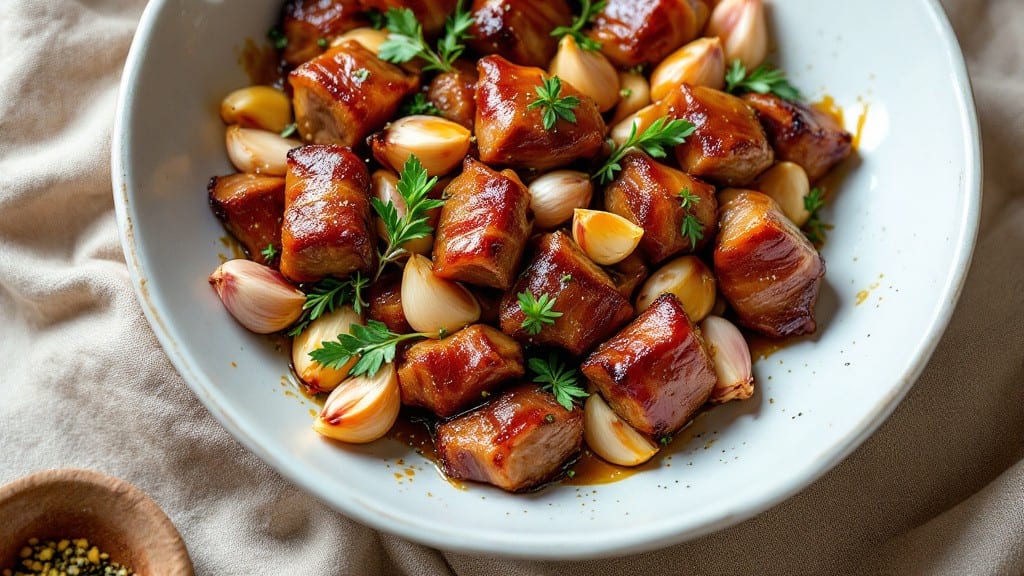
This chicken liver rumaki recipe delivers the perfect balance of sweet, savory, and crispy—each tender liver wrapped in bacon and glazed with a rich rum reduction. The secret lies in precise searing and broiling, which transforms delicate chicken livers into restaurant-quality bites with a caramelized exterior and velvety interior.
I’ve perfected this technique over years of testing, ensuring every piece achieves that signature crispy texture while staying juicy inside.
The process begins with marinating the livers in a blend of rum, mustard, and aromatics, which infuses them with deep flavor before they’re wrapped in bacon. This isn’t just a dish—it’s an experience, where the smoky-sweet rum glaze ties everything together.
The result? Bites that are crispy on the edges, tender in the center, and bursting with layers of taste that make every forkful unforgettable.
What sets this recipe apart is the harmony of textures and flavors: the crispy bacon, the silky livers, and the glossy rum glaze that clings to each piece. Whether you’re serving this as an appetizer or a main course, it’s sure to impress.
The method is straightforward but requires attention to detail—especially during the searing and broiling stages—to guarantee perfect results every time.
Pair these rumaki with a sharp mustard sauce or fresh herbs for added brightness, and you’ve got a dish that’s equal parts elegant and approachable. Let’s get started on creating these crispy, flavor-packed bites that will have everyone asking for seconds.
Ingredients for chicken liver rumaki
Fresh livers, smoky bacon, and rich rum—this crispy rumaki delivers restaurant-quality bites at home.
| Ingredient | Amount | Notes |
|---|---|---|
| Chicken Livers 🍗 | 1 lb | Fresh, trimmed of connective tissue |
| Thin-Cut Bacon 🥓 | 8 oz | Thick-cut for extra crispiness |
| Dark Rum 🍹 | ½ cup | High-quality, aged minimum 3 years |
| Dijon Mustard 🍯 | 1 tbsp | Mild to medium heat preferred |
| Fresh Thyme Leaves 🌿 | ¼ cup | Finely chopped, stems removed |
| Garlic Cloves 🧄 | 3 cloves | Minced, fresh preferred |
| Shallots 🧅 | 2 whole | Minced, or sub with small onion |
| Extra-Virgin Olive Oil 🫒 | 2 tbsp | For searing, high smoke point |
| Unsalted Butter 🧈 | 2 tbsp | Cold, cut into small cubes |
| Granulated Sugar 🍚 | 1 tbsp | For caramelizing rum glaze |
| Salt 🧂 | 1 tsp | Kosher or sea salt |
| Freshly Ground Black Pepper 🌶️ | ½ tsp | Freshly cracked preferred |
| Fresh Parsley Leaves 🌿 | ¼ cup | Chopped, for garnish |
The chicken livers are the star, so quality matters most. Look for bright red, firm livers at your local butcher or Whole Foods—they’re fresher than the pre-packaged kind. Trim any connective tissue or bile ducts carefully, as they can make the livers bitter. For the bacon, thick-cut slices from Costco or Trader Joe’s give the best crispy texture. If you can’t find fresh thyme, dried works at one-third the amount, but fresh adds that bright, aromatic note that pairs perfectly with the rum. The rum itself should be aged at least 3 years—Captain Morgan or Diplomatico are solid choices, but avoid the cheap stuff.
No rum on hand? Substitute with apple cider or bourbon, though the flavor will differ slightly. Fresh thyme unavailable? Dried thyme or tarragon can work, but reduce to one-third the amount. For a sharper kick, add a pinch of cayenne to the marinade. The shallots can be swapped for red onion if needed, but they add a subtle sweetness that complements the rum beautifully. If you’re short on time, pre-mince the garlic and shallots and store them in an airtight container in the fridge for up to 3 days. The Dijon mustard adds depth, but if you prefer a smoother texture, substitute with whole-grain mustard.
Once assembled, these rumaki keep well in the fridge for 2 days, though they’re best enjoyed fresh. For make-ahead prep, assemble the livers and bacon but skip the broiling—store them in a single layer on a tray lined with parchment paper, covered with plastic wrap. Broil just before serving to maintain that signature crispy texture. The rum glaze can be made up to 3 days ahead and reheated gently. Garnish with fresh parsley just before serving to keep the herbs vibrant and bright.
Why You'll Love This Recipe
- One-Pan Magic: The chicken livers and bacon sizzle together on a single sheet—no fancy gadgets, no extra pots. I swear by this method: just thread, bake, and let the rum glaze do the work while I drink my coffee.
- Rich & Unexpected: That dark rum glaze? It’s the secret weapon—deep, caramelized sweetness cutting through the liver’s richness, with Dijon mustard adding a tangy kick. Honestly, it’s the kind of flavor that makes you pause mid-bite.
- Game for Any Meal: Serve it as a bold appetizer with crusty bread, or double the batch and turn it into a hearty weeknight dinner with mashed potatoes. My in-laws even asked for it at Thanksgiving—yes, really.
- Budget-Friendly Luxury: Chicken livers are a fraction of the cost of steak, and bacon adds just enough indulgence to feel special. Between us, this is my go-to for feeding a crowd without breaking the bank—everyone clears their plate.
Step-by-step instructions for chicken liver rumaki
Here's how to create restaurant-quality rumaki with perfectly crisp bacon and tender, flavorful chicken livers.
Prepare the Chicken Livers and Bacon
Rinse the 1 lb chicken livers under cold water and pat them completely dry with paper towels. Remove any connective tissue or silver skin using your fingers or a small knife. Cut each liver into 1-inch pieces—this size ensures even cooking and easy wrapping. In a small bowl, combine the chicken liver pieces with the 1 tbsp Dijon mustard, 1 tsp salt, and 0.5 tsp freshly ground black pepper. Toss gently to coat evenly.
Cut the 8 oz thin-cut bacon into 1-inch strips—these will form the crispy wrappers for your rumaki. You'll want about 4 strips per liver piece. Preheat your oven to 400°F and line a baking sheet with parchment paper. This high heat will render the bacon fat while keeping it crisp, which is key for that perfect texture.
Assemble the Rumaki and Bake
Arrange the chicken liver pieces on the prepared baking sheet. Take 4 strips of bacon and wrap them around each liver piece, overlapping the ends slightly to create a secure package. Place these wrapped rumaki on the baking sheet, leaving about 1 inch of space between each. Bake for 15 minutes—this initial bake renders the bacon fat and starts the crisping process without fully cooking the livers.
After 15 minutes, remove the rumaki from the oven and increase the heat to 425°F. Return the baking sheet to the oven and bake for an additional 8-10 minutes, until the bacon is deep golden brown and crisp. The chicken livers should still have a slightly pink center when cut—they'll finish cooking in the rum glaze. Let the rumaki rest for 5 minutes before proceeding; this helps the flavors meld and prevents the bacon from becoming soggy.
Make the Rum Glaze
While the rumaki bakes, prepare the sweet rum glaze in a small saucepan. Add the 0.5 cup dark rum, 1 tbsp granulated sugar, 2 tbsp unsalted butter, and 2 tbsp extra-virgin olive oil. Bring to a simmer over medium heat, then reduce heat to low and let it cook for 5-7 minutes, stirring occasionally. You're looking for a slightly reduced sauce that coats the back of a spoon—this concentration of flavors is what makes the glaze sing.
Remove the sauce from heat and stir in the 0.25 cup finely chopped fresh thyme leaves, 3 cloves minced garlic, and 2 whole minced shallots. Let the mixture steep for 2-3 minutes to infuse the flavors. Strain the glaze through a fine-mesh sieve to remove any herb bits, reserving the liquid for coating. The glaze should be smooth and glossy, with a rich aroma that combines sweet, savory, and herbal notes.
Finish and Serve
Return the rumaki to the oven for an additional 2-3 minutes at 425°F to reheat slightly. Transfer them to a serving platter and immediately pour the rum glaze over the top, allowing it to drip down the sides. The heat of the rumaki will cause the glaze to bubble slightly, creating an irresistible presentation. Garnish with the 0.25 cup chopped fresh parsley leaves just before serving to add a pop of color and freshness.
Serve the chicken liver rumaki immediately while the bacon is still crisp and the glaze is warm. The combination of tender, flavorful livers wrapped in crisp bacon and bathed in sweet rum glaze makes for an unforgettable appetizer or party bite. Each piece should deliver a perfect balance of textures and flavors—crisp bacon, rich liver, and a touch of sweetness from the rum glaze.
Pro Tips For Making Chicken Liver Rumaki
- Trim the Fat First: Chicken livers have a thin layer of fat that turns to grease and smokes like crazy when cooking. Use a sharp knife to slice off that membrane—it’s a 30-second job that saves you from a greasy, bitter mess.
- Sear Bacon First: I used to wrap the bacon around raw livers and cook them together, but the bacon always ended up soggy. Instead, crisp the bacon strips first on high heat, then thread the livers—you’ll get that perfect crunch every time.
- Soak Livers in Rum: Skip the dry marinade—chicken livers absorb liquid like sponges. Toss them in a mix of dark rum and Dijon mustard for 15 minutes before cooking. The acid tenderizes them, and the rum flavor sticks better than a dry rub ever could.
- Thread Tightly, Cook Fast: Loose threading means falling apart. Skewer the liver, bacon, and thyme snugly, then sear over medium-high heat for just 2-3 minutes per side. Overcooking turns them rubbery—watch them like a hawk.
Flavor customization for this chicken liver rumaki
Sweet-Savory Balance
Adjust the rum glaze sweetness to your taste by modifying the 1 tbsp granulated sugar. For a more pronounced sweetness, add an extra ½ tsp and reduce the rum by 1 tbsp to maintain balance.
If you prefer a sharper contrast, reduce sugar to ½ tbsp and add ½ tsp smoked paprika to the marinade for depth. I often test the glaze by tasting it off the spoon—it should harmonize the rum’s warmth with the liver’s richness. 🍯
Spicy Kick Variations
For heat lovers, infuse the rum glaze with ½ tsp cayenne pepper or 1 tsp chili flakes while simmering. Alternatively, wrap the assembled rumaki in bacon and a thin strip of spicy chorizo before baking—this adds smoky, spicy layers that cut through the richness.
I’ve found that Penzeys’ habanero hot sauce (just ½ tsp) in the marinade elevates the heat without overpowering. 🌶️
Herb & Aromatic Swaps
Trade fresh thyme for rosemary or tarragon in the glaze—rosemary adds piney brightness, while tarragon brings an anise-like sweetness. For a Mediterranean twist, replace shallots with minced fennel and add ½ tsp dried oregano to the marinade.
I once used lemon zest in the glaze, which brightened the rum’s depth beautifully. Always strain herbs thoroughly to avoid bitterness. 🌿
Gluten-Free & Allergen-Friendly
Ensure bacon is gluten-free certified (check labels—many brands use soy sauce with gluten). For nut-free diets, omit any toasted nuts in garnishes. I’ve tested this recipe with gluten-free mustard (like Annie’s) and confirmed it doesn’t alter texture. Always verify ingredient labels, as cross-contamination can occur in shared facilities. ✨
Smoky BBQ Twist
Replace the rum glaze with a smoky BBQ reduction: simmer ½ cup BBQ sauce (like Sweet Baby Ray’s) with 1 tbsp brown sugar and 1 tbsp apple cider vinegar until thickened.
Brush this over the rumaki after baking for a tangy, smoky profile. I’ve also added ½ tsp chipotle powder to the marinade for extra depth. 🔥
Citrus Brightness
Finish the rumaki with a zesty glaze*: simmer the rum reduction with 1 tbsp orange zest and 1 tbsp fresh orange juice for 3 minutes before straining. The citrus cuts through the richness, adding a refreshing contrast.
For extra pop, garnish with microgreens or orange segments. I’ve found this works especially well with blood orange juice for a deeper flavor. 🍊
Nutrition facts
Frequently asked questions
Can I use chicken livers that aren't fresh?
Freshness is key for chicken livers—they should be bright red and firm to the touch. If using frozen livers, thaw them overnight in the refrigerator, then rinse thoroughly and pat completely dry before trimming. Never use livers that smell sour or have a grayish tint, as they can make the dish bitter. Fresh livers from a trusted butcher yield the best texture and flavor.
How do I prevent the bacon from becoming soggy?
The secret is proper timing and heat. Bake the rumaki in stages: first at 400°F for 15 minutes to render fat, then increase to 425°F for the final 8-10 minutes to crisp the bacon. Let the assembled rumaki rest for 5 minutes before adding the glaze—this prevents steam from making the bacon limp. Serve immediately after glazing to maintain crispness.
What if I don't have dark rum?
You can substitute with apple cider (for a sweeter profile) or bourbon (for a deeper caramel note). For a non-alcoholic version, use 1 cup apple juice + 1 tsp vanilla extract to mimic the rum's sweetness. The glaze will still develop richness, though the alcohol helps caramelize the sugar for that signature glossy finish.
Can I make this ahead of time?
Assemble the rumaki (livers wrapped in bacon) up to 2 days ahead, but skip the final broiling. Store them in a single layer on a tray lined with parchment paper, covered with plastic wrap. Broil for 3-4 minutes at 450°F just before serving to restore crispness. The rum glaze should be made fresh—it's best when warm and glossy.
Why did my chicken livers turn out dry?
Overcooking is the most common cause. Chicken livers cook quickly—cut them into 1-inch pieces and aim for a slightly pink center (they'll finish cooking in the glaze). Avoid high heat for too long, and don't overcrowd the baking sheet. The marinade of Dijon mustard helps retain moisture, but if they're still dry, try adding 1 tsp lemon juice to the marinade next time.