Breakfast & Brunch
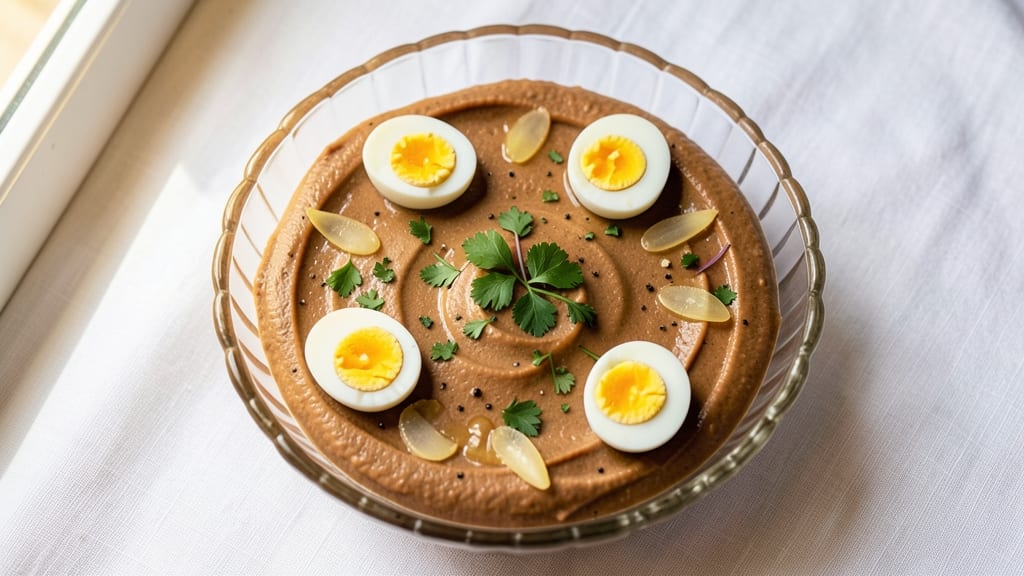
This chicken liver pâté with hard-boiled eggs brings Parisian bistro elegance to your breakfast table in just 20 minutes—no fancy equipment required. I developed this recipe after years of perfecting liver-based spreads, balancing rich, velvety texture with the subtle creaminess of egg yolks.
The key is proper liver preparation and precise binding, which transforms what can be a polarizing ingredient into something luxurious and approachable.
What sets this recipe apart is the marriage of traditional French pâté technique with modern home-cooking practicality. We'll use hard-boiled eggs to create a stable, spreadable texture while keeping the liver's natural richness intact.
The secret lies in cooking the livers just until they're tender but still pink at the center—this ensures safety while preserving that signature pâté flavor. A touch of cream and butter binds everything together, creating a velvety consistency that's perfect for spreading.
By the time you're done, you'll have a smooth, vibrant pâté with a deep umami flavor and just the right amount of creaminess. The egg yolks add a subtle richness that rounds out the liver's intensity, while the butter creates that classic French pâté mouthfeel.
Serve it on toasted baguette slices, crackers, or even as a filling for crepes—this is the kind of breakfast that makes weekdays feel special without requiring hours in the kitchen.
This recipe also works beautifully as an appetizer or light lunch, paired with mustard, pickles, or fresh herbs. The versatility makes it perfect for brunch gatherings or when you want to impress guests with something sophisticated yet simple to prepare. Let's get started on creating your own café-worthy pâté.
Ingredients for chicken liver pate recipe with hard boiled eggs
Rich liver and creamy eggs transform into Parisian bistro pâté in minutes.
| Ingredient | Amount | Notes |
|---|---|---|
| Fresh Chicken Livers 🍗 | 1 lb | Trimmed of connective tissue |
| Large Eggs 🥚 | 4 whole | Hard-boiled, yolks reserved |
| Heavy Cream 🥛 | ½ cup | Full-fat for richness |
| Unsalted Butter 🧈 | 4 tbsp | Cold, cubed for binding |
| Shallots 🧅 | 2 whole | Finely minced, about 2 tbsp |
| Fresh Parsley 🌿 | ¼ cup | Stems removed, chopped |
| Diamond Crystal Kosher Salt 🧂 | ½ tsp | For seasoning |
| Freshly Ground Black Pepper 🌶️ | ¼ tsp | Coarsely cracked |
| Extra-Virgin Olive Oil 🫒 | 1 tbsp | For sautéing |
| Fresh Lemon Juice 🍋 | 1 tbsp | Brightens flavor |
| Brandy or Cognac 🍷 | 1 tbsp | Optional, for depth |
| Baguette Slices 🍞 | 8 pieces | For serving, toasted |
The chicken livers are the star—freshness is non-negotiable. Look for livers that are deep red and moist, not gray or slimy. Whole Foods Market or your local butcher often carry the best quality. Trim off any connective tissue or fat, then rinse and pat dry. The shallots should be fresh and firm—no shriveled ones. I always grab a small bunch of parsley at the same time, since it's used fresh in so many recipes. For the eggs, use room-temperature eggs for even cooking—they'll peel more easily too.
No brandy on hand? Dry sherry or even a splash of apple cider vinegar adds brightness. The cream must be full-fat—half-and-half won't give the same velvety texture. Substituting butter? Use European-style butter with 82% fat content for best results. The hard-boiled eggs can be made a day ahead—just keep them in the fridge until ready to use. For the parsley, dried works in a pinch at half the amount, but fresh is ideal. The baguette? Day-old works perfectly—toast it until crisp just before serving.
This pâté keeps beautifully—3-4 days in the fridge, covered with plastic wrap pressed directly on the surface. For longer storage, portion into small jars and freeze for up to 3 months. The texture will firm up when chilled, so let it sit at room temperature for 10 minutes before serving. I like to make a double batch—one for breakfast, one to freeze for when I need a fancy appetizer. The flavor actually improves after a day or two as everything melds together.
Why You'll Love This Recipe
- No-Fuss Assembly: I swear by this recipe because it’s literally a 10-minute job after boiling the eggs. Sauté the livers, blend with cream and butter, fold in the chopped eggs—done. The shallots add depth without extra steps, and honestly? The hardest part is deciding if you want it chunky or smooth.
- Rich, Unexpected Twist: That first bite of creamy liver pate with the cool, firm egg yolk breaking through? It’s like a fancy charcuterie board in your mouth. The butter and cream make it velvety, but the livers keep it meaty—no blandness here. (Yes, even if you’re not usually a liver fan.)
- Party or Pantry: This pate is my go-to for holiday appetizers or lazy Sundays. Serve it on crusty bread with cornichons for a crowd, or slather it on toast for a quick breakfast. Between us, I’ve also used it to jazz up sandwiches—trust me, the eggs make it feel special without the fuss.
- Budget-Friendly Luxury: Chicken livers are cheap, and eggs? Always on sale. Heavy cream feels indulgent, but a little goes a long way. I make a big batch, store it in the fridge for a week, and still feel like I’m serving something gourmet. Not the prettiest, but the taste makes up for it every time.
Step-by-step instructions for chicken liver pate with hard boiled eggs
Here's how to create velvety, luxurious liver pate that captures French bistro sophistication.
Prepare the Chicken Livers and Hard-Boiled Egg Yolks
Rinse the 1 lb fresh chicken livers thoroughly under cold water and pat them completely dry with paper towels. Trim away any visible connective tissue or silver skin using a sharp knife—this ensures a silky texture. In a separate bowl, hard-boil the 4 whole large eggs for 10 minutes after boiling begins, then cool under running water. Once cooled, peel the yolks and set them aside, reserving for the pate.
I like to work with cold livers for this recipe—they render more evenly and prevent the pate from becoming greasy. For the yolks, make sure they're completely dry before adding them to the mixture, or you'll end up with a watery pate. The yolks will contribute richness and help bind the mixture together beautifully.
Sauté the Shallots and Chicken Livers
Heat 1 tablespoon extra-virgin olive oil in a large skillet over medium heat. Add the 2 whole shallots, finely minced, and cook for 3-4 minutes until they become translucent and just beginning to soften. Add the 1 lb trimmed chicken livers and cook for another 4-5 minutes, stirring occasionally, until they lose their raw appearance and begin to brown slightly.
This step is crucial for developing flavor—don't rush it. The shallots should be soft but not caramelized, and the livers should be just cooked through. If you see any blood or pink centers, cook for another minute to ensure they're fully done. Remove the pan from heat and let the livers cool completely before proceeding.
Blend the Pate Base
Transfer the cooked livers and shallots to a food processor along with the 4 tbsp cold unsalted butter, 0.5 cup heavy cream, 0.5 tsp diamond crystal kosher salt, and 0.25 tsp freshly ground black pepper. Pulse the mixture until it becomes completely smooth, scraping down the sides as needed. Add the 4 reserved egg yolks and pulse again until fully incorporated.
Here's where the magic happens—the cold butter helps create that signature velvety texture, while the egg yolks add luxurious body. If the mixture seems too thick, add 1 tablespoon at a time of reserved pasta water (if available) or a splash of water until it reaches a smooth, spreadable consistency. The pate should be thick but still pourable.
Finish with Aromatics and Rest
Return the blended mixture to the skillet and place it over low heat. Stir in 1 tablespoon brandy or cognac (if using) and let it simmer gently for 2-3 minutes until the alcohol burns off completely. Remove from heat and stir in 1 tablespoon fresh lemon juice and 0.25 cup chopped fresh parsley. Let the pate cool to room temperature, then transfer it to a serving dish and refrigerate for at least 2 hours to allow flavors to meld.
This resting period is essential—it lets the flavors develop fully and ensures the pate holds its shape when serving. The lemon juice brightens the rich flavors, while the parsley adds a fresh finish. Don't skip the refrigeration; patience here makes all the difference in the final texture and taste.
Serve with Toasted Baguette Slices
Toast the 8 pieces baguette slices in a dry skillet over medium heat for 1-2 minutes per side until golden brown and crisp. Spread a generous layer of the chilled pate onto each slice and garnish with additional chopped parsley if desired. Serve immediately with a crisp white wine or a dry sparkling water for the perfect French café experience.
The contrast between the crispy baguette and the velvety pate is what makes this dish truly special. The pate should be smooth, slightly glossy, and rich with a perfect balance of savory, creamy, and slightly tangy flavors. Each bite should melt in your mouth, delivering the luxurious taste of a Parisian bistro right in your kitchen.
Pro Tips For Making Chicken Liver Pate Recipe With Hard Boiled Eggs
- Sear Livers First: Skip the raw liver blend—pat them dry, then sear whole in a screaming-hot pan with a knob of butter until the edges crisp and the inside hits 145°F. This stops them from turning to mush later, and the flavor? Night and day compared to diced-and-cooked raw.
- Peel Eggs While Warm: Shock the hard-boiled eggs in ice water for exactly 5 minutes, then peel them right away under running water. Cold eggs cling to shells like glue; warm ones slide out clean. Save the yolks for the pâté—no need to waste them.
- Don’t Overmix the Cream: After blending livers, yolks, and shallots, fold in heavy cream gently—just until combined. Overmixing turns it into a sad, thin spread. A few streaks of white are fine; you’re not making a smoothie here.
- Salt the Butter: Toss a pinch of salt into the butter before melting it with shallots. The butter’s salt dissolves into the fat, so you won’t end up with a bland base that needs constant seasoning later. Trust me, you’ll taste the difference.
Serving suggestions for this recipe
Classic French Plating
Serve your pâté on toasted baguette slices arranged on a large platter, spread with a generous spoonful of the chilled mixture. Garnish with finely chopped parsley and a drizzle of high-quality olive oil for that authentic bistro touch.
I like to add thinly sliced cornichons or pickled onions on the side—the sharp acidity cuts through the richness beautifully. 🥖
Café-Style Presentation
For an extra-special presentation, spread the pâté on buttered toast points (cut baguette into triangles) and arrange them on a slate serving board with fresh radishes and butter beans. Add a small bowl of Dijon mustard and a lemon wedge for guests to customize their bites.
This setup feels like you're serving at a Parisian café, and it's perfect for brunch gatherings.
Egg-Centric Variations
Since we're using hard-boiled eggs in the recipe, why not highlight them further? Serve the pâté alongside deviled eggs for a protein-packed brunch spread. The contrast between the creamy pâté and the tangy yolk filling is divine.
I also love adding crispy prosciutto on top of the pâté for a salty-sweet crunch that elevates every bite.
Wine and Beverage Pairings
A crisp Sauvignon Blanc from Loire Valley or a dry Riesling complements the pâté's richness perfectly. For non-alcoholic options, sparkling water with a twist of lemon or chilled hibiscus tea adds a refreshing contrast.
I always keep a bottle of Château d'Esclans Whispering Angel rosé on hand—it's light enough to not overpower the liver's depth while adding a touch of elegance. 🍷
Make-Ahead Serving Tips
This pâté actually tastes better the next day, so make it ahead and store it in an airtight container in the fridge. When ready to serve, let it sit at room temperature for 10-15 minutes before plating—this ensures it's spreadable and not too firm.
I often prepare mine the night before and serve it cold for brunch the following morning. The flavors meld beautifully overnight, making it even more luxurious.
Global Twist: Spicy or Sweet
For a Southern twist, add a pinch of Cajun seasoning or hot sauce to the pâté before serving. The heat balances the richness perfectly. Or, for a sweet variation, drizzle with honey or fig jam—this works surprisingly well with the savory liver.
I've also seen it paired with caramelized onions for a sweet-savory combination that's simply irresistible. 🌶️
Nutrition facts
Frequently asked questions
Why do I need to use cold butter in this recipe?
The cold butter creates tiny fat crystals that help emulsify the liver mixture, giving you that signature velvety, spreadable texture instead of a greasy consistency. When melted butter is used, the pâté can become too soft or even break apart. Pro tip: Cut the butter into small cubes and keep it chilled until just before processing.
Can I substitute duck livers for chicken livers in this recipe?
but you'll need to adjust the cooking time. Duck livers are larger and richer, so cook them for 5-6 minutes until just done (they should still have a slight pink center). The flavor will be deeper and more complex, but the texture remains the same. For best results, use 1 lb duck livers and reduce the cream to ¼ cup to balance the richness.
What if my pâté turns out too greasy?
If the texture is too oily, it likely means the livers weren't cooled enough before processing or the butter wasn't cold. To fix it, stir in 1 extra egg white (whisked until frothy) and chill for another 30 minutes. This helps absorb excess fat. For future batches, always let cooked livers cool completely before blending.
How can I make this pâté ahead of time for a brunch gathering?
Prepare the pâté up to 3 days in advance and store it in an airtight container in the fridge. The flavors actually improve with time! When ready to serve, let it sit at room temperature for 10-15 minutes to soften. For freezing, portion into small jars and store for up to 3 months. Thaw overnight in the fridge before serving.
What's the best way to reheat leftover pâté?
This pâté is best served cold or at room temperature, but if you prefer it warm, gently reheat in a small saucepan over low heat with 1 tablespoon cream until just warmed through (2-3 minutes). Never microwave, as it can make the texture grainy. For best results, serve it chilled with a side of toasted baguette and pickled vegetables.