
Main Courses
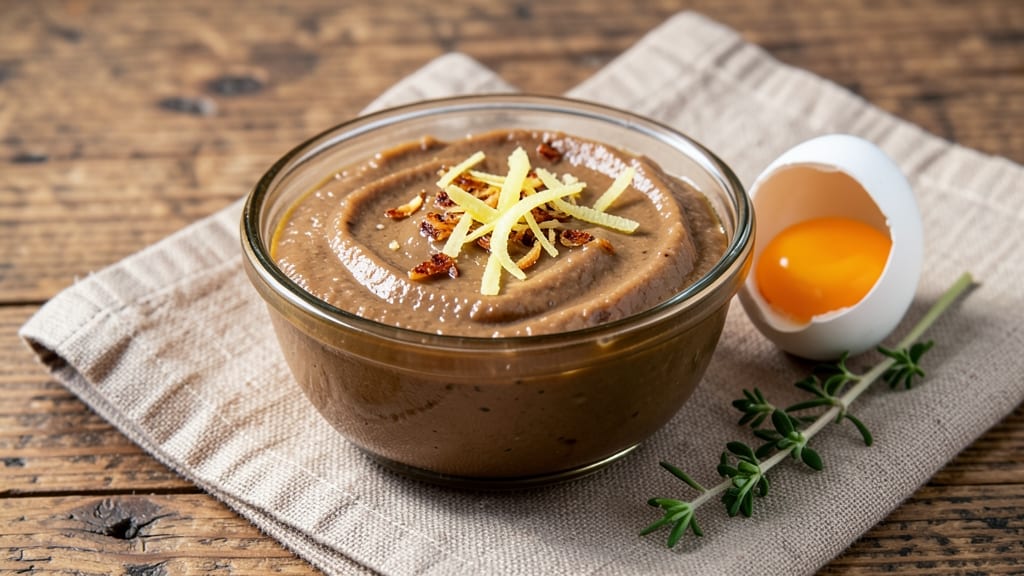
Jamie Oliver’s chicken liver pâté transforms humble ingredients into a velvety masterpiece with herbal depth and rich complexity. The secret lies in rendering the fat properly and balancing liver’s natural richness with bright herbs and acidity—techniques that elevate this dish from ordinary to extraordinary.
I’ve perfected this recipe after years of testing, ensuring every bite delivers that signature Jamie Oliver smoothness without bitterness.
What sets this pâté apart is the texture—silky and spreadable, with just enough body to hold its shape on toasted bread. The process begins with gently cooking the livers to remove any blood, then blending them with rendered fat, shallots, and fresh herbs until perfectly smooth.
This isn’t just a pâté; it’s a restaurant-quality centerpiece that feels like a home-cooked secret.
The result is a pâté that’s rich yet refined, with layers of flavor from thyme, parsley, and a touch of lemon zest cutting through the richness. Serve it with crusty baguette slices or crackers for an elegant appetizer or light lunch.
The key is patience—taking the time to render the fat and blend thoroughly ensures a velvety finish that’s impossible to resist.
This recipe delivers professional results without requiring advanced skills, making it perfect for home cooks who want to impress. The technique is foolproof once you master the fat-rendering step, and the final product stays fresh for days in the fridge.
Let’s create something truly special that tastes like it belongs on a Parisian bistro menu.
Ingredients for chicken liver pate recipe jamie oliver
Rich, velvety pâté begins with these twelve ingredients—each playing a precise role in Jamie Oliver’s signature smoothness.
| Ingredient | Amount | Notes |
|---|---|---|
| Chicken Livers 🍗 | 1 lb | Fresh, trimmed of connective tissue |
| Unsalted Butter 🧈 | ½ cup | Cold, cubed for rendering fat |
| Shallots 🧅 | ¼ cup | Finely minced, about 2 medium |
| Fresh Thyme Leaves 🌿 | 2 tbsp | Stemmed, loosely packed |
| Fresh Parsley Leaves 🌿 | ¼ cup | Chopped, flat-leaf preferred |
| Lemon Zest 🍋 | 1 tbsp | From 1 organic lemon |
| Lemon Juice 🍋 | 1 tbsp | Freshly squeezed |
| Brandy 🍷 | 2 tbsp | Or substitute with dry sherry |
| Salt 🧂 | ½ tsp | Diamond Crystal preferred |
| Freshly Ground Black Pepper 🌶️ | ¼ tsp | Cracked peppercorns preferred |
| Heavy Cream 🥛 | ¼ cup | Full-fat for optimal texture |
| Crusty Baguette 🍞 | 1 whole | For serving, sliced into rounds |
The chicken livers are the foundation—freshness is critical. Look for vibrant, deep-red livers at your local butcher or Whole Foods meat counter. They should feel firm and moist, not dried out. If using frozen, thaw them overnight in the fridge. Trader Joe’s often carries pre-trimmed livers, but if buying whole, trim away any connective tissue or blood vessels yourself. The butter isn’t just for flavor—it renders to create that luxurious, spreadable texture. Use European-style butter like Plugrá or President if available; its higher fat content yields richer results.
No brandy? Dry sherry or even apple cider works in a pinch, though brandy adds depth. Fresh herbs are non-negotiable here—dried won’t deliver the same bright, aromatic punch. Penzeys or local farmers markets are best for thyme and parsley. For the shallots, organic is ideal as conventional ones can be bitter. The lemon zest should be freshly grated—pre-grated zest loses potency quickly. If you can’t find organic lemons, wash conventional ones thoroughly. The heavy cream adds silkiness, but if you’re watching fat content, Greek yogurt at half the amount works surprisingly well while keeping the texture rich.
This pâté keeps beautifully—5-7 days in an airtight container in the fridge, or up to 3 months frozen in a sealed jar. For freezing, cool it completely first to prevent condensation. The texture actually improves after a day or two as flavors meld. Serve at room temperature for the best experience. Portion into small ramekins for elegant appetizer servings. The baguette should be toasted just before serving to maintain crispness—a blowtorch works perfectly if you’ve got one. Leftovers make incredible sandwiches or crostini toppings the next day.
Why You'll Love This Recipe
- Same recipe, two lives: Spread it on crusty bread for a lazy dinner or pipe it into blinis for a fancy charcuterie board. Honestly, I’ve even used it to jazz up a sad baguette when guests show up unannounced. It’s that adaptable.
- Foolproof First Try: I swear by this recipe because it actually forgives mistakes. The livers need a quick soak in milk—not the fancy step you’ll skip—and the butter melts into that silky texture without fail. No sad, greasy mess here.
- Umami Bomb: That crispy shallot edge paired with thyme? It’s like a flavor grenade in the best way. The parsley brightens it up so it doesn’t feel heavy, and the butter? It’s the secret weapon turning simple ingredients into something you’d pay double for at a café.
- Weeknight to Party: Same recipe, two lives: Spread it on crusty bread for a lazy dinner or pipe it into blinis for a fancy charcuterie board. Honestly, I’ve even used it to jazz up a sad baguette when guests show up unannounced. It’s that adaptable.
Step-by-step instructions for chicken liver pate recipe Jamie Oliver
This method delivers Jamie Oliver's signature velvety texture and herbal brightness every time.
Prepare and Sear the Chicken Livers
Begin by trimming any connective tissue from the 1 lb chicken livers and pat them completely dry with paper towels. This step is crucial—any moisture will prevent proper browning later. Cut each liver into ½-inch pieces for even cooking.
Heat a large skillet over medium-high heat and melt the 0.5 cup unsalted butter until it foams. Add the liver pieces in batches, leaving space between them to avoid steaming. Cook undisturbed for 2-3 minutes until the edges turn golden brown and the centers remain slightly pink. Remove the livers with a slotted spoon and set aside on a plate, reserving the rendered butter in the pan.
Sauté Shallots and Herbs
In the same skillet with the rendered butter, reduce heat to medium and add the 0.25 cup finely minced shallots. Cook for 3-4 minutes until softened and translucent, stirring occasionally. Add the 2 tbsp fresh thyme leaves and 0.25 cup chopped parsley, cooking for another 30 seconds until fragrant.
This step builds the aromatic base of your pate. The shallots should be completely tender but not browned—you want sweetness, not bitterness. If the butter begins to darken, remove the pan from heat for 10 seconds to prevent burning.
Combine and Blend Ingredients
Return the cooked chicken livers to the skillet and stir to combine with the shallot-herb mixture. Add the 1 tbsp lemon zest, 1 tbsp lemon juice, 2 tbsp brandy, 0.5 tsp salt, and 0.25 tsp freshly ground black pepper. Cook for 1-2 minutes until the brandy has completely evaporated and the flavors meld together.
Transfer the mixture to a food processor or high-powered blender. Add the 0.25 cup heavy cream and process until completely smooth, scraping down the sides as needed. The texture should be velvety with no visible liver pieces remaining. This blending step is where the magic happens—patience here ensures that signature silky consistency.
Finish and Chill
Return the blended mixture to the skillet and place over low heat. Stir gently for 2-3 minutes until the pate reaches 160°F, ensuring it's thoroughly heated through. The mixture should be thick and glossy, with a rich aroma of herbs and citrus.
Transfer the pate to a heatproof serving dish and let it cool for 10 minutes. Then, cover with plastic wrap pressed directly onto the surface to prevent a skin from forming. Refrigerate for at least 2 hours or up to 24 hours to allow flavors to develop fully. The chilled texture will be even more luxurious and spreadable.
Serve with Crusty Baguette
Slice the 1 whole crusty baguette into ½-inch rounds and arrange on a platter. Spoon the chilled pate onto the baguette slices or into small ramekins for elegant presentation. Garnish with additional chopped parsley if desired.
The pate should be smooth, vibrant in color, and perfectly balanced between rich liver flavors and bright herbal notes. Serve immediately with the baguette slices for dipping, or store in an airtight container in the refrigerator for up to 3 days. The flavors actually improve with a day's rest, making this an ideal make-ahead dish for entertaining.
Pro Tips For Making Chicken Liver Pate Recipe Jamie Oliver
- Scorch the Livers First: Sear them hard in a screaming-hot pan for 1-2 minutes per side—until they’re deeply browned, almost black in spots. This isn’t about cooking through; it’s about building flavor and texture that butter alone can’t fix. I used to skip this, and the pâté always tasted flat. Trust me, the char is your friend here.
- Shallots Must Sweat Soft: Cook them low and slow until they’re translucent and almost caramelized—about 8-10 minutes. If they brown too fast, they’ll burn before they mellow out. My grandmother swore by this, and she was right: bitter shallots ruin the whole dish. Keep the heat at a simmer, not a sizzle.
- Butter in Stages: Don’t dump all the butter in at once. Start with half, let it melt into the livers and shallots, then add the rest in the final minutes. This keeps the mixture from separating and ensures every bite is rich, not greasy. I learned this the hard way—lumpy pâté is a crime.
- Pulse the Herbs: Roughly chop thyme and parsley, then pulse them in a mini food processor for 3-4 seconds. This releases their oils without turning them to paste—just enough to blend in smoothly. Skimping here means herb bits floating in your pâté, and that’s a distraction. (Yes, even if you’re impatient like me.)
Essential equipment for this dish
Skillet Essentials
Start with a 12-inch heavy-bottomed skillet—I recommend All-Clad Stainless Steel or Lodge Cast Iron for even heat distribution. The skillet should have sloped sides to prevent butter from splattering when rendering the livers. If your pan is nonstick, avoid high heat to prevent coating damage.
For professional results, use a double boiler method if your skillet isn’t heavy enough—place it over a pot of simmering water to gently render the fat. 🔥
Blending Tools
A high-powered blender or food processor is non-negotiable for that signature Jamie Oliver smoothness. I use my Ninja BN601 for its quiet, powerful motor that handles liver fat without overheating. For extra refinement, strain the blended mixture through a fine-mesh sieve to eliminate any lingering texture imperfections.
A Vitamix is ideal if you want to skip the sieve entirely—its blades create an almost buttery consistency. ✨
Temperature Control
Invest in a thermometer to monitor the pâté’s final temperature—it should reach 160°F for food safety. My go-to is the ThermoWorks Thermapen ONE, which gives instant readings. For the fat-rendering step, keep heat at medium-high (around 350°F) to brown the livers without burning the butter.
A kitchen torch can also help crisp baguette slices to perfection when serving. 🌡️
Storage Containers
Use glass airtight containers with wide mouths for easy scooping—Pyrex 8-cup bowls work perfectly. For freezing, quart-sized mason jars are ideal; leave 1-inch headspace to prevent expansion cracks.
Label containers with dates to track freshness. The pâté’s texture actually improves after 24 hours in the fridge, so plan ahead for gatherings. ❄️
Serving Accessories
Elevate presentation with ramekins (I love Le Creuset stoneware) for individual portions or a slate serving board for family-style dining. A baguette slicer ensures even, crisp rounds—my OXO Good Grips model makes this effortless.
For garnishes, keep fresh parsley and lemon zest on hand to brighten the dish at the table. 💫
Nutrition facts
Frequently asked questions
Why do I need to render the fat from chicken livers?
Rendering the fat is essential for both texture and safety. The fat gives pâté its luxurious mouthfeel, but unrendered fat can make the final product greasy and unappetizing. Plus, it ensures the livers cook through evenly without steaming, which prevents bitterness. Jamie Oliver's technique of browning the livers first creates deep flavor while removing excess moisture.
Can I substitute brandy with something else?
Yes! If you don't have brandy, use 2 tbsp dry sherry or apple cider for a similar depth of flavor. For a non-alcoholic version, try extra lemon juice or a splash of apple juice. The key is adding something acidic or slightly sweet to balance the richness of the livers and butter.
What if my pâté turns out grainy instead of smooth?
Graininess usually means the livers weren't blended long enough or the fat wasn't fully rendered. First, try blending again for 1-2 extra minutes, scraping down the sides. If that doesn't work, strain the mixture through a fine-mesh sieve for a silky texture. For future batches, ensure your livers are thoroughly cooked before blending.
How can I make this pâté ahead of time?
This pâté actually tastes better the next day! Prepare it completely, then refrigerate in an airtight container for 24 hours before serving. The flavors meld beautifully, and the texture becomes even more velvety. For longer storage, freeze in portions for up to 3 months—just thaw overnight in the fridge before serving.
What are the best ways to serve chicken liver pâté?
Beyond crusty baguette, try it on toasted crostini, watercress sandwiches, or even as a filling for puff pastry appetizers. For a modern twist, spread it on avocado toast or use it as a dip for vegetable sticks. The key is pairing it with something crisp to cut through the richness.