
Sauces & Condiments
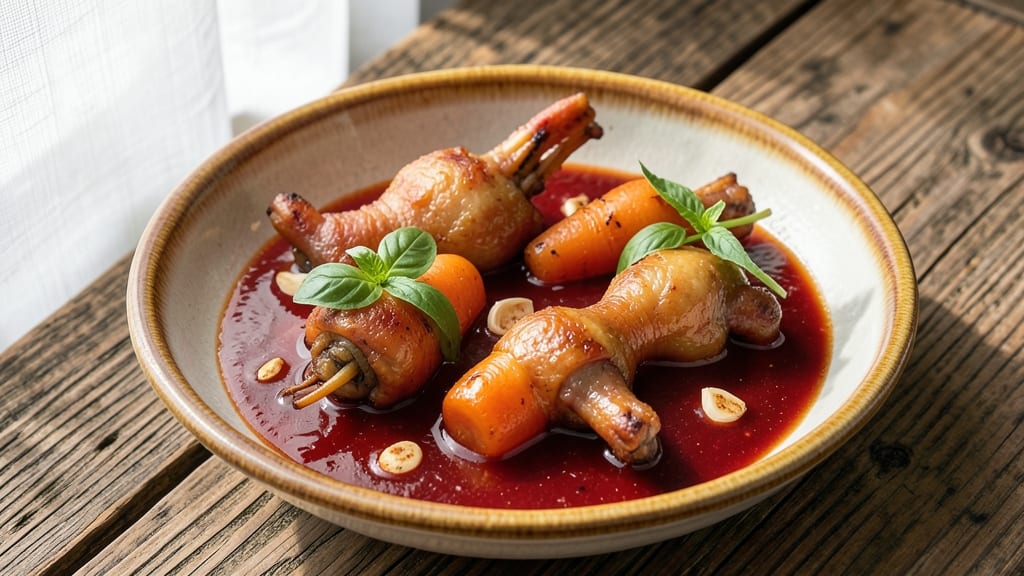
This chicken feet in tomato sauce recipe transforms humble ingredients into a dish that's crispy, tender, and packed with rich umami flavor—perfect for adventurous eaters. After years of perfecting the technique, I've mastered the balance between crispy skin and tender meat, all simmered in a deeply aromatic tomato sauce.
The key lies in proper preparation and slow cooking, ensuring every bite delivers that satisfying contrast.
What sets this recipe apart is the foolproof method for achieving crispy chicken feet without sacrificing tenderness. We start with thorough cleaning and boiling to remove impurities, followed by frying or braising to lock in moisture while creating that coveted crunch.
The tomato sauce, meanwhile, simmers for hours, developing layers of sweetness and acidity that complement the savory chicken perfectly.
The result is a dish that's restaurant-quality at home—crispy on the outside, tender on the inside, and swimming in a velvety tomato sauce that clings to every bite.
The aroma alone will have your kitchen smelling like a bustling Italian trattoria, and the texture contrast makes it impossible to stop at just one piece.
Serve this dish with crusty bread to soak up every drop of that rich sauce, or pair it with a simple side salad for balance. Whether you're exploring traditional flavors or simply craving something unique, this recipe delivers a satisfying, flavorful experience that's sure to impress.
Ingredients for chicken feet with tomato sauce
Transform humble ingredients into restaurant-quality chicken feet with rich umami tomato sauce.
| Ingredient | Amount | Notes |
|---|---|---|
| Chicken Feet 🦶 | 2 lb | Fresh, cleaned thoroughly |
| Extra-Virgin Olive Oil 🫒 | ½ cup | High quality, fruity flavor |
| Garlic Cloves 🧄 | 6 cloves | Peeled, minced for sauce |
| Canned San Marzano Tomatoes 🍅 | 28 oz | Crushed by hand, no salt added |
| Carrots | 2 medium | Peeled, cut into chunks |
| Carrots 🥕 | 2 whole | Peeled, cut into chunks |
| Celery Stalks 🧅 | 2 whole | Diced for mirepoix |
| Yellow Onion 🧅 | 1 whole | Diced, yellow variety |
| Dried Oregano 🌿 | 1 tbsp | Mediterranean blend preferred |
| Dried Basil 🌿 | 1 tbsp | Or 1 tbsp fresh basil |
| Red Wine Vinegar 🍷 | 1 tbsp | For acidity balance |
| Diamond Crystal Kosher Salt 🧂 | 1 ½ tsp | Adjust to taste |
| Black Peppercorns 🌶️ | ½ tsp | Freshly cracked |
| Bay Leaves 🍃 | 2 whole | Dried, removed before serving |
| Fresh Parsley 🌿 | ¼ cup | Chopped, for garnish |
The chicken feet require meticulous preparation—source from a trusted butcher or specialty market, as quality varies dramatically. Look for feet that are firm to the touch and free of any strong odor, indicating freshness. Whole Foods Market or local Asian markets typically carry the best quality, though some well-stocked grocery stores may have them too. If you're unsure about cleaning, soak them in cold water with a splash of vinegar for 30 minutes before thorough scrubbing—this removes impurities without compromising texture. The San Marzano tomatoes are non-negotiable here; their sweetness and low acidity create the perfect balance for the rich sauce. Opt for the 28 oz can size for ideal consistency, and always drain the tomatoes completely to avoid watering down your sauce.
Substitutions must be strategic to maintain balance. No San Marzano tomatoes? Use a blend of crushed Roma tomatoes and a splash of tomato paste—the paste adds depth. Fresh basil can replace dried at a 1:3 ratio (1 tbsp fresh = 1/3 tbsp dried), but the flavor profile shifts slightly. For the mirepoix, substitute with 1 cup diced bell pepper if celery is unavailable, though it will alter the sauce's earthiness. The red wine vinegar can be swapped for white vinegar or lemon juice, but taste as you go—vinegar's acidity cuts through the richness. If you're short on time, pre-minced garlic works, though freshly minced garlic develops more complex flavors during the long simmer. For the bay leaves, dried thyme sprigs provide a similar aromatic base if needed.
Proper storage extends this dish's life and maintains quality. The cleaned chicken feet can be refrigerated for up to 2 days before cooking, though they're best used immediately for optimal texture. The finished sauce keeps well in the fridge for 5-6 days, with flavors deepening over time—reheat gently to preserve its velvety texture. For longer storage, freeze the sauce in ice cube trays for easy portioning, then transfer to a sealed container. The frozen sauce maintains quality for up to 3 months, though a brief simmer upon thawing restores its full body. Always reheat the sauce over low heat to prevent skin formation, and add a splash of water or broth if it thickens too much during storage.
Why You'll Love This Recipe
- One-Pan Magic: The chicken feet simmer right alongside the carrots and tomatoes—no chopping boards, no extra pots. Just toss everything in one deep pan, cover it, and let the olive oil and garlic work their flavor magic while you do something else.
- Crispy-Tender Bite: That first crack of the chicken feet shell gives way to a shockingly tender, gelatin-rich bite—like a cross between a succulent dumpling and a rich broth. The San Marzano tomatoes turn the sauce into a velvety, slightly sweet hug around every piece.
- Budget Feast: A whole bag of chicken feet costs less than a single chicken breast, and this recipe stretches it into three hearty meals. Honestly, my grocery bill dropped when I started making this—no guilt, all flavor.
- Leftovers That Beg: The sauce thickens beautifully overnight, so the next day, you’re reheating a pot of rich, caramelized tomato broth with perfectly tender chicken feet. My roommates used to "accidentally" eat mine before I could—now they all ask for seconds.
Step-by-step instructions for chicken feet in tomato sauce
Mastering crispy chicken feet requires precise timing and technique—follow these steps to achieve tender meat with a caramelized exterior.
Prepare and Parboil the Chicken Feet
Begin by thoroughly cleaning the 2 lb chicken feet under cold running water, removing any remaining debris or feathers. Trim excess fat if necessary, leaving the skin intact for crispiness. In a large pot, combine the cleaned feet with 1.5 tsp diamond crystal kosher salt and 0.5 tsp black peppercorns, ensuring they're fully coated. Cover with cold water by 2 inches and bring to a boil over high heat. Once boiling, reduce to a gentle simmer and cook for 30 minutes. This parboiling step removes impurities and partially tenderizes the meat—watch for the water to turn cloudy, signaling the need to drain and rinse the feet thoroughly under cold water.
After draining, return the feet to the pot and cover with fresh cold water. Bring to a boil again, then reduce to a simmer and cook for another 30 minutes. This second parboil ensures the feet are fully blanched and ready for crisping. The skin should feel slightly firmer and the meat more pliable when pressed gently with a spoon. Drain again, reserving the cooking liquid for later use if desired, and pat the feet dry with paper towels—this step is critical for achieving that coveted crispy texture.
Create the Mirepoix and Sauté Aromatics
In a large, deep skillet or Dutch oven, heat 0.5 cup extra-virgin olive oil over medium heat until shimmering but not smoking. Add the diced 1 whole yellow onion, 2 whole celery stalks, and 2 whole carrots (all prepped from the ingredients list), stirring occasionally for 8-10 minutes until the vegetables soften and release their natural sweetness. The onion should turn translucent, and the celery should yield to gentle pressure from a wooden spoon. This foundational step builds flavor depth that will carry through the entire dish.
Push the vegetables to one side of the pan and add the 6 cloves minced garlic cloves, allowing them to sizzle for 30 seconds until fragrant. Stir to combine with the mirepoix, then add 1 tbsp dried oregano and 1 tbsp dried basil, toasting the spices for 1 minute to release their aromatic oils. This step ensures the herbs infuse the oil and vegetables, creating a flavorful base for the tomato sauce. If the vegetables begin to brown too quickly, reduce the heat slightly to maintain even cooking.
Build the Tomato Sauce and Simmer
Pour in the 28 oz canned San Marzano tomatoes, crushing any large chunks by hand to achieve a smooth, velvety texture. Stir in 1 tbsp red wine vinegar and add 2 whole bay leaves, allowing the mixture to simmer gently over medium-low heat for 20 minutes. This initial simmer allows the acidity to mellow and the flavors to meld, creating a rich, umami-forward sauce. Skim off any foam that rises to the surface to ensure a clean, glossy finish.
Once the sauce has thickened slightly and the raw tomato flavor has softened, carefully add the parboiled chicken feet to the pot. They should be fully submerged in the sauce, which may require adding a splash of water or reserved cooking liquid if needed. Bring the mixture to a gentle simmer, then reduce the heat to low and cover partially with a lid. Let the feet cook for 1 hour, stirring occasionally to prevent sticking and ensure even exposure to the sauce. The feet are done when they pull away from the bone easily and the meat is tender—this is your signal to proceed to crisping.
Achieve Crispy Perfection
Using a slotted spoon, transfer the chicken feet to a baking sheet lined with paper towels, allowing excess sauce to drip off. Arrange them in a single layer, skin-side up, and place under a broiler set to high heat. Broil for 3-5 minutes, watching closely to achieve a deep golden-brown color and crispy texture. The skin should crackle slightly when pressed gently with tongs—this is your cue that the feet are perfectly crisped. If the skin browns too quickly, move the sheet slightly closer to the broiler or reduce the heat slightly to avoid burning.
While the feet crisp, return the sauce to the stovetop and simmer uncovered for 5-7 minutes to reduce slightly and intensify the flavors. Taste and adjust seasoning with additional diamond crystal kosher salt or black peppercorns as needed. Once the feet are crispy, transfer them back to the sauce, allowing them to soak up the remaining flavors for 2-3 minutes. Garnish with 0.25 cup chopped fresh parsley just before serving to add a bright, fresh contrast to the rich, umami sauce.
Pro Tips For Making Chicken Feet With Tomato Sauce
- Blister Before Browning: Chicken feet need that first sear to render fat, but don’t rush it—work in batches if needed. Medium-high heat until skin splits and fat pools (about 8-10 minutes), then lower to crisp. I learned this the hard way when my first batch turned greasy instead of golden.
- Peel Garlic Like a Pro: San Marzano tomatoes are sweet, but raw garlic can overpower them. Peel cloves just before crushing—no need to mince—and toast them in olive oil until edges brown. This softens their bite and deepens flavor without bitterness.
- Don’t Drown the Carrots: Sliced carrots should simmer with the feet, not under them. Add them after the initial sear, when the sauce is halfway reduced, so they soften evenly without turning to mush. Crowd the pan and you’ll end up with a watery stew.
- Finish with Tomato Paste: Skip the extra can of tomatoes—stir in 1-2 tablespoons of tomato paste at the end. It thickens the sauce, balances acidity, and makes the dish taste like it simmered for hours. (Yes, even if you’re in a hurry.)
Common mistakes when making perfect results
Skipping the Parboil
One of the biggest mistakes is skipping the parboiling step entirely. This critical process removes impurities and partially tenderizes the meat, ensuring the feet cook evenly. Without it, you risk ending up with tough, rubbery chicken feet that won’t crisp properly.
I’ve seen beginners rush this step, but trust me—30 minutes of simmering twice makes all the difference in texture. 💫
Overcrowding the Pan
When frying or broiling the chicken feet, overcrowding the pan is a common error that leads to uneven cooking. The feet need space to develop that crispy skin without steaming in their own juices. Arrange them in a single layer with at least ½ inch between each piece.
If you’re frying, work in batches—I use a large cast-iron skillet to avoid this issue. Overcrowding also traps moisture, preventing that satisfying crunch.
Underseasoning the Sauce
The tomato sauce is where flavor shines, but many cooks underseason it because they’re afraid of overpowering the chicken feet. Taste as you go! The sauce should be rich, balanced, and slightly tangy—not bland.
I recommend adding ½ tsp more salt if needed after simmering, and a pinch of sugar (about ½ tsp) to round out the acidity. The feet absorb the sauce, so don’t hold back.
Broiling Too Long
Broiling chicken feet for too long turns crispy skin into burnt rubber. Watch them closely—they’re done when the skin is deep golden-brown and crackles slightly when pressed. 3-5 minutes is the sweet spot, depending on your broiler’s heat.
If your kitchen runs hot, start with 2 minutes and check frequently. A meat thermometer isn’t necessary here, but your eyes and fingers are your best tools. 🔥
Using Low-Quality Tomatoes
This is a dealbreaker: using non-San Marzano tomatoes or canned tomatoes with added salt or preservatives will ruin your sauce. The sweet, low-acid profile of San Marzano tomatoes is non-negotiable for that velvety, umami-rich consistency.
If you’re in a pinch, blend Roma tomatoes with a splash of tomato paste—but taste the difference after simmering. The sauce should be smooth, glossy, and deeply flavorful, not watery or metallic.
Not Drying the Feet
After parboiling, skipping the drying step is a surefire way to end up with soggy chicken feet. Pat them thoroughly dry with paper towels before frying or broiling—this removes moisture that would otherwise steam the skin instead of crisping it.
I double-check by pressing a foot with my fingers; if it feels damp, I dry it again. This small step makes the difference between restaurant-quality crunch and disappointment. ✨
Nutrition facts
Frequently asked questions
Can I substitute chicken feet with another part of the chicken?
While chicken feet are the star of this dish, you can use chicken wings or drumettes as a substitute. However, the texture and flavor will differ—they won't have the same crispy skin or gelatinous richness. If using wings, increase the frying time slightly to achieve crispiness, and adjust the sauce quantity to 1.5 cups instead of fully submerging them.
How do I make the tomato sauce less acidic?
To reduce acidity, add ½ tsp sugar or 1 tsp honey while simmering to balance the tomatoes' natural tang. For a deeper flavor without added sweetness, simmer the sauce uncovered for an extra 10-15 minutes to let the acidity mellow naturally. You can also reduce the red wine vinegar to ½ tbsp if you prefer a milder taste.
Can I make this dish in a slow cooker?
Yes! After parboiling and drying the feet, add them to the slow cooker with the sautéed mirepoix and tomatoes. Cook on low for 4-5 hours, then transfer to a broiler for crisping. The sauce will develop deeper flavors, but monitor the moisture level—add ¼ cup water if needed to prevent sticking. The slow cooker method works best for tenderizing, but crispiness requires the final broiling step.
What’s the best way to reheat leftovers?
Reheat the sauce and chicken feet together in a saucepan over low heat until warmed through, stirring occasionally. For extra crispiness, transfer the feet to a skillet and reheat for 2-3 minutes until golden. Avoid microwaving—the uneven heat distribution can make the sauce watery and the skin soggy. Store leftovers in an airtight container for up to 3 days in the fridge.
Is this dish gluten-free?
The recipe is naturally gluten-free, but always double-check your ingredients. Use gluten-free canned tomatoes if needed, and ensure your olive oil, spices, and vinegar are certified gluten-free. The chicken feet themselves are gluten-free, but cross-contamination can occur if they’re processed in facilities handling gluten. Serve with gluten-free bread or crusty polenta to keep it safe for gluten-sensitive diners.