
Sauces & Condiments
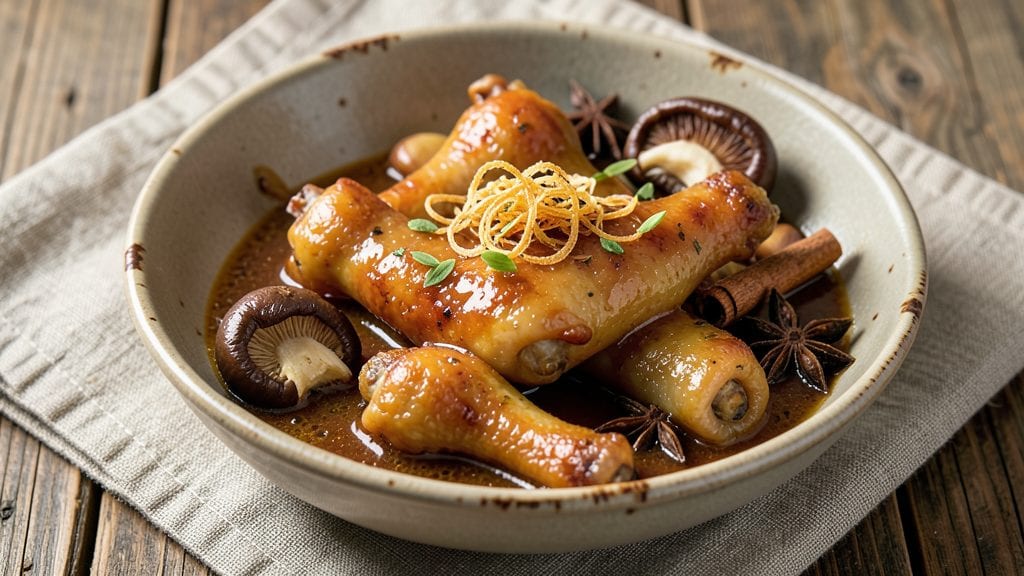
Transforming chicken feet into a luxurious, umami-rich sauce unlocks flavors found in high-end Asian restaurants. This recipe extracts collagen and gelatin from the feet, creating a velvety broth packed with depth and complexity—perfect for elevating any dish. The process requires patience, but the results justify every minute of simmering time.
The foundation of this sauce lies in slow cooking chicken feet with aromatics like ginger, garlic, and star anise, which infuse the broth with aromatic warmth. Traditional methods rely on long simmering to break down collagen, while modern adaptations often include pressure cooking for efficiency without sacrificing flavor.
Each step builds layers of savory richness that transform simple ingredients into something extraordinary.
What you’ll achieve is a deep, golden sauce with a silky texture and intense umami flavor—ideal for drizzling over noodles, dumplings, or rice. The collagen extraction process ensures a glossy finish and a mouthfeel that’s impossible to replicate with store-bought alternatives.
This sauce isn’t just a condiment; it’s a flavor multiplier that turns ordinary meals into memorable experiences.
Once complete, the sauce can be stored for up to three months in the refrigerator, making it a versatile pantry staple. Whether you’re preparing a celebratory feast or a weeknight dinner, this recipe delivers restaurant-quality depth with minimal effort.
Let’s create a sauce that will become the star of your kitchen.
Ingredients for chicken feet sauce
Ten ingredients transform humble chicken feet into a restaurant-quality umami sauce.
| Ingredient | Amount | Notes |
|---|---|---|
| Chicken Feet (Fresh or Frozen) 🦶 | 2 lbs | Cleaned, skin-on for collagen |
| Dried Shiitake Mushrooms 🍄 | ½ cup | Rehydrated for umami depth |
| Fresh Ginger Root 🧄 | ½ cup | Julienned, skin removed |
| Garlic Cloves 🧄 | 8 cloves | Smashed, skin-on for intensity |
| Star Anise Pods 🌟 | 4 whole | Whole, for aromatic infusion |
| Cinnamon Sticks 🌿 | 2 whole | For subtle warmth |
| Dried Red Chili Peppers 🌶️ | 4 whole | For balanced heat |
| Light Soy Sauce 🍶 | ½ cup | Kikkoman preferred for balance |
| Dark Soy Sauce 🍶 | ¼ cup | For rich color and depth |
| Sesame Oil 🫒 | 1 tbsp | Toasted, for finishing |
The chicken feet are the heart of this sauce—fresh or high-quality frozen from Asian markets deliver the best collagen extraction. Look for feet with intact skin and minimal odor; Costco’s bulk packs are ideal for large batches. Dried shiitake mushrooms from Penzeys Spices or Trader Joe’s provide that signature earthy depth. The ginger should be firm and aromatic, while garlic cloves should be plump and unspotted. Star anise and cinnamon sticks from spice merchants ensure authentic flavor without bitterness. Avoid pre-ground spices—whole pods and sticks infuse better during the long simmer.
No fresh shiitake? Dried oyster mushrooms work equally well for umami. Substitute 1 tbsp fish sauce if soy sauces aren’t available, though the sauce will lack depth. Smoked paprika can replace dried chilies for heat without drying out the sauce. For a vegetarian adaptation, mushroom stems or kombu replace chicken feet, though texture will differ. Sesame oil can be swapped for toasted peanut oil, but the flavor profile shifts slightly. All aromatics—ginger, garlic, star anise—can be minced or left whole depending on preference, though mincing ensures even distribution. Pressure cooking reduces simmering time to 90 minutes without compromising collagen breakdown.
This sauce develops richer flavors with time—reheat gently to preserve its silky texture. Store in sterilized glass jars with a thin layer of neutral oil on top to prevent skin formation. Fridge life spans 3 months, while freezing extends shelf life to 6 months without quality loss. Portion into ice cube trays for easy single-use servings. The sauce thickens as it cools; whisk in warm water if needed for drizzling consistency. Never boil after opening—gentle reheating maintains its velvety mouthfeel.
Why You'll Love This Recipe
- One-Pot Magic: I swear by this recipe—no chopping boards full of scraps, no multiple pans. Toss the chicken feet, shiitakes, and ginger straight into a pot with water, and let the star anise work its aromatic spell while you sip your coffee.
- Umami Bomb: That first bite? The mushrooms and feet simmer into a sauce so rich, it’s like a hug for your taste buds. Between us, the star anise gives it this subtle, spicy-sweet depth that makes it ridiculously hard to stop eating.
- Leftovers That Beg: This sauce thickens beautifully over time, and honestly? It’s even better the next day. I make a big batch on Sundays—dump it over rice, noodles, or even eggs—and it disappears faster than my willpower when I’m hungry.
- Budget Game-Changer: Chicken feet are cheap, and this recipe stretches them into a meal that feeds four for under $10. The shiitakes add luxury without the grocery-store sticker shock, and the ginger/garlic combo makes it feel like a restaurant dish for pennies.
Step-by-step instructions for chicken feet sauce
Transform humble chicken feet into a velvety, umami-rich sauce bursting with aromatic depth.
Prepare the Chicken Feet for Maximum Collagen Extraction
Begin by examining the 2 lbs chicken feet for any remaining debris or excess skin, cleaning them thoroughly under cold running water. The skin-on portions are essential—they contain collagen that will dissolve into the sauce, creating its signature richness. Rinse the feet in a colander until the water runs clear, then pat them completely dry with paper towels. This drying step is critical as moisture prevents proper browning and collagen rendering.
Place the cleaned chicken feet in a large pot and cover them with cold water by about 2 inches. Bring to a boil over medium-high heat, then immediately reduce to a gentle simmer. Skim off any foam or impurities that rise to the surface during the first 10 minutes of cooking. This initial boiling process helps remove any residual blood or impurities, ensuring a cleaner-tasting final sauce.
Build Complex Aromatics and Extract Maximum Flavor
While the chicken feet simmer, prepare the aromatic components by julienning the 0.5 cup fresh ginger root into thin matchsticks and smashing the 8 cloves garlic skin-on with the flat side of a chef's knife. Add these to the pot along with the 0.5 cup dried shiitake mushrooms (which should have been rehydrated in hot water for 20 minutes beforehand), 4 whole star anise pods, 2 whole cinnamon sticks, and 4 whole dried red chili peppers. These whole spices will infuse the broth with their essential oils without overpowering the delicate chicken flavor.
Simmer the entire mixture uncovered for 2 hours, maintaining a gentle bubble. The chicken feet should become tender enough to pierce with a paring knife, and the broth should reduce by about half, developing a deep amber color. This slow cooking process allows the collagen to break down completely, creating that signature silky texture. Stir occasionally to prevent the aromatics from sticking to the bottom, where they would burn and create bitter flavors.
Season and Refine the Sauce for Perfect Balance
After the initial simmering, carefully remove the chicken feet with tongs and set them aside for another use (they're perfect for stir-fries or soups). Strain the broth through a fine-mesh sieve into a clean pot, pressing gently on the solids to extract every last drop of flavor. Return the strained broth to the heat and add the 0.5 cup light soy sauce and 0.25 cup dark soy sauce. The dark soy sauce will give the sauce its characteristic rich color while adding depth of flavor.
Simmer the sauce uncovered for an additional 15-20 minutes until it reduces to your desired consistency, which should be thick enough to coat the back of a spoon but still flow smoothly. Taste and adjust seasoning—you may need to add a touch more light soy sauce if the sauce tastes too bland, or a pinch of sugar to balance any lingering bitterness from the chicken feet. The sauce should have a complex umami profile with notes of ginger, garlic, and subtle heat from the chili peppers.
Finish with Toasted Sesame Oil for Depth
In a small dry skillet, toast the 1 tbsp sesame oil over low heat for 1-2 minutes until it develops a nutty aroma and begins to shimmer. Immediately remove from heat and let it cool for 30 seconds—this prevents the oil from cooking off completely when added to the sauce. Pour the toasted sesame oil into the simmering sauce and stir gently to combine. The oil should integrate smoothly, adding a final layer of aromatic complexity.
Transfer the finished sauce to a clean container and let it cool to room temperature. The sauce will continue to thicken slightly as it cools, so you may want to thin it with a splash of hot water if it becomes too viscous. This umami-rich sauce keeps well in the refrigerator for up to 5 days or can be frozen for up to 3 months. Use it as a dipping sauce for dumplings, a base for noodle dishes, or a flavorful addition to any Asian-inspired recipe.
Pro Tips For Making Chicken Feet Sauce
- PARBOIL FIRST: If you’re using frozen chicken feet, don’t skip the parboil—drop them in simmering water for 10 minutes to thaw and remove any grit. I learned this the hard way when I skipped it and ended up with a gritty, uneven sauce.
- SCRUB THOSE FEET: Fresh chicken feet need a good scrub with a stiff brush under cold water before cooking—dirt and debris hide in those crevices. Trust me, you don’t want to taste it later.
- LOW AND SLOW: Simmer the sauce at a gentle bubble, not a rolling boil—this pulls out the collagen and flavor without turning the broth cloudy. I used to rush it, and the sauce always tasted thin and weak.
- SOAK MUSHROOMS: Rehydrate dried shiitake in warm water for 20 minutes before adding them to the pot—they’ll plump up and release more umami into the sauce. Dry mushrooms just sit there like sad, flavorless rocks.
Best sauces and condiments for this recipe
Classic Dipping Sauce
This chicken feet sauce shines as a dipping sauce for dumplings, spring rolls, or fried chicken. Serve it warm in a small bowl with chopped scallions and toasted sesame seeds for texture contrast. The silky texture coats each bite perfectly, while the umami depth enhances any fried or steamed dish.
I like to drizzle it over steamed buns or rice noodles for an extra layer of richness. 🥟
Noodle Elevator
Use this sauce as a slurping sauce for ramen, udon, or rice noodles. Toss 2 tbsp of the sauce with 1 tbsp toasted sesame oil and 1 tsp chili crisp (like Lao Gan Ma) for heat.
The sauce’s collagen-rich base clings beautifully to noodles, creating a luxurious mouthfeel. For extra depth, add a splash of mirin or rice vinegar to brighten the flavors. This transforms simple noodles into a restaurant-worthy meal. 🍜
Soup Base Magic
Strain the sauce through a fine-mesh sieve to remove all solids, then use it as a base for pho, miso soup, or congee. The collagen gives soups an unmatched silkiness, while the aromatic spices add complexity.
For pho, simmer 4 cups of the sauce with 1-inch ginger slices, 4 cloves garlic, and 1 cinnamon stick for 15 minutes. The result is a broth so rich, it’ll make your taste buds sing. 🍲
Marinade for Meat
Use this sauce as a marinade for pork belly, chicken thighs, or tofu. Brush it on before roasting or grilling to lock in moisture and infuse deep umami flavors. For extra tenderness, marinate for at least 2 hours (or overnight).
The sauce’s natural stickiness creates a caramelized crust when cooked, adding both flavor and texture. I love using it on grilled chicken wings for a sticky, savory glaze. 🍗
Rice Bowl Upgrade
Drizzle this sauce over steamed jasmine rice or fried rice to elevate the dish instantly. Mix it with 1 tbsp rice vinegar and 1 tsp honey for a sweet-savory balance. The sauce’s richness pairs perfectly with shredded chicken, shrimp, or tofu.
For a complete bowl, top with quick-pickled cucumbers and crispy fried shallots. It’s the secret weapon in my go-to rice bowl routine. 🍚
Braised Dishes
Use this sauce to braise tough cuts of meat like short ribs or brisket. Deglaze the pan with the sauce after searing, then simmer for 2-3 hours until tender. The collagen in the sauce helps tenderize the meat while adding depth.
For braised pork belly, reduce the sauce by half first to create a glossy, concentrated glaze. The result is fall-off-the-bone meat with a glossy, umami-rich coating. 🥩
Nutrition facts
Frequently asked questions
Why do chicken feet make such a rich sauce?
Chicken feet contain high levels of collagen and gelatin, which break down during long simmering to create a velvety, umami-packed sauce. The slow cooking process extracts these proteins, transforming them into a luxurious, glossy consistency that's impossible to replicate with other ingredients.
Can I use frozen chicken feet instead of fresh?
Frozen chicken feet work perfectly—just thaw them completely in cold water before using. The key is ensuring they're fully defrosted to prevent uneven cooking. For best results, pat them dry thoroughly to maximize collagen extraction during simmering.
How do I know when the sauce is ready?
The sauce is done when it coats the back of a spoon smoothly and has reduced to a deep amber color. The chicken feet should be fork-tender (pierce with a knife easily), and the aroma should be intensely aromatic with notes of ginger, garlic, and umami. Taste test for balance—it should be savory with subtle heat.
What if my sauce turns out too thin?
Simmer the sauce uncovered for an additional 10-15 minutes to reduce it further. For an instant fix, mix 1 tbsp cornstarch with 2 tbsp cold water, stir into the sauce, and simmer until thickened. Avoid over-reducing—you want a glossy, coatable consistency, not a paste.
Can I make this sauce in a slow cooker?
Yes! Use the same ingredients but increase simmering time to 6-8 hours on low. The slow cooker's gentle heat helps collagen break down evenly. Just remember to skim foam during the first hour and strain thoroughly afterward for the smoothest texture.