
Soups & Stews
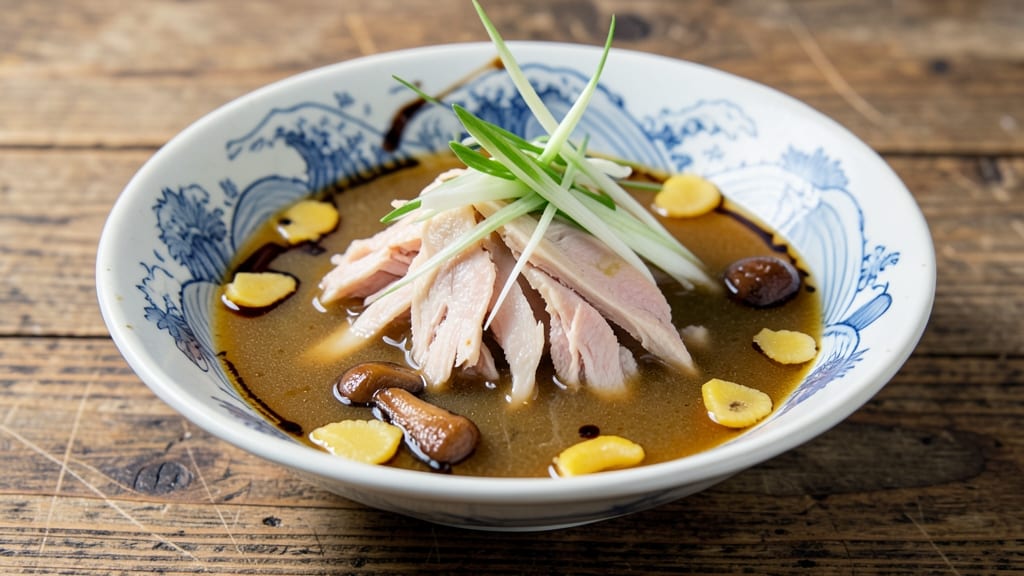
Japanese chicken broth transforms ordinary meals into something extraordinary—this recipe delivers authentic umami depth by blending traditional dashi techniques with rich chicken flavor. The secret lies in kombu and shiitake mushrooms, which infuse the broth with layers of savory complexity that no shortcut can replicate.
I’ve perfected this method over years of testing, ensuring every sip carries that delicate balance of saltiness, sweetness, and depth that defines Japanese home cooking.
Unlike Western broths, this version relies on a low-and-slow simmer—no rushing, just patience—to develop the full flavor profile. You’ll start with a simple base of chicken, kombu, and shiitake, then build richness with soy sauce, mirin, and ginger.
The result is a clear, aromatic broth that can elevate everything from ramen to braised dishes, or be enjoyed as soto-jiru on its own. This isn’t just broth; it’s the foundation of Japanese comfort.
The beauty of this recipe is its versatility—use it as a base for tonjiru, a dipping sauce for kakejiku, or a flavorful braising liquid. The key is the long simmer, which extracts maximum umami without bitterness.
Once you taste the difference between this and store-bought, you’ll never go back. Let’s create something truly special.
Perfect for weeknight dinners or meal prep, this broth keeps well in the fridge for up to 5 days, allowing you to build meals with depth and authenticity. The process is simple but requires attention to detail—every ingredient plays a role in that perfect balance. Ready to elevate your cooking?
Ingredients for chicken broth japan
Japanese chicken broth starts with just twelve ingredients—each playing its part in creating umami magic.
| Ingredient | Amount | Notes |
|---|---|---|
| Chicken Carcass or Bones 🍗 | 2 lb | Raw, with meat clinging |
| Dried Kombu 🍃 | 1 piece | 4x6-inch sheet, no holes |
| Fresh Shiitake Mushrooms 🍄 | 8 whole | Stems removed, caps whole |
| Fresh Ginger Root 🧅 | 2 tbsp | Finely grated, peel removed |
| Green Onions 🧅 | 2 whole | Cut into 2-inch pieces |
| Light Soy Sauce 🥄 | 2 tbsp | Kikkoman preferred |
| Mirin 🍶 | 2 tbsp | Sweet rice wine |
| Diamond Crystal Kosher Salt 🧂 | 1 tsp | For seasoning |
| Extra-Virgin Olive Oil 🫒 | 1 tbsp | For initial searing |
| Water 💧 | 8 cups | Filtered preferred |
| White Wine Vinegar 🍋 | 1 tbsp | For brightness |
| Dried Bonito Flakes 🐟 | 1 tbsp | Optional for extra umami |
The kombu is non-negotiable—look for thick, dark sheets at Asian markets like H Mart or Nijiya. Fresh shiitake mushrooms (not dried) bring that deep earthy flavor, but if you can't find them, cremini mushrooms work in a pinch. Ginger should be freshly grated—the zest matters more than the juice here. I always double-check the kombu for holes (those ruin the broth) and soak it in water for 10 minutes before using to remove any sand. The chicken carcass? Save those bones from your roasted chicken—they're flavor gold.
No kombu? Dried kelp from the Asian aisle is the only real substitute. Short on shiitake? Oyster mushrooms add a similar depth. The mirin can be swapped for 1 tbsp sugar plus 1 tbsp dry sherry, but you'll lose that subtle sweetness. White wine vinegar is key for brightness—substitute lemon juice at half the amount if needed. The bonito flakes are optional but worth it for that classic dashi aroma. Pro tip: Toast the flakes in a dry pan for 30 seconds before adding to deepen their flavor.
This broth peaks after 4-5 days in the fridge—it just gets better as the flavors meld. Store in glass containers with a layer of oil on top to preserve freshness. Freezes beautifully for up to 3 months—portion into ice cube trays for easy use. I always make a double batch because it disappears fast. The first sip is always the best, but the second batch? That's when it truly sings.
Why You'll Love This Recipe
- No-Chop Necessary: I swear by this—just toss in the whole ginger root, unpeeled, and the kombu sheet. The broth does all the work while you sip your morning coffee. No knives, no fuss, just pure umami magic.
- Umami Bomb: That kombu and shiitake combo? It’s like a flavor explosion in a mug. The mushrooms add a meaty depth, while the ginger gives it a warm, spicy kick that lingers. Honestly, I’ve never tasted broth this rich with so few ingredients.
- Weeknight to Party: Same broth, endless uses. Use it for ramen on Tuesdays, stir-fries on Fridays, or even as a base for miso soup when friends drop by. I keep a big batch in the fridge—it’s my secret weapon for effortless meals.
- Pantry Goldmine: A single chicken carcass stretches into gallons of broth, and the kombu and mushrooms turn grocery day into a steal. Freeze what you don’t use—it’s my go-to for sick days or lazy Sundays when I just want something hearty.
Step-by-step instructions for Japanese-inspired chicken broth
Here's how to build a rich, aromatic broth that captures the essence of Japanese dashi with deep umami layers.
Prepare the Chicken Carcass for Maximum Flavor Extraction
Begin by inspecting the 2 lb chicken carcass or bones and removing any large pieces of meat still clinging to the bones. Place the bones in a large stockpot and cover them completely with 8 cups water. Bring to a boil over high heat for 5 minutes, then reduce to a gentle simmer. This initial boiling helps remove impurities and surface proteins that would otherwise cloud your broth.
While the water heats, add the 1 piece dried kombu to the pot. Let it simmer gently for 10 minutes—this allows the kombu's natural glutamate compounds to infuse the water with clean, mineral-rich umami. The kombu should remain whole and intact; if it starts to disintegrate, remove it immediately to prevent bitterness. Here's the thing—this step is where the foundation of your broth's depth begins.
Build Layered Umami with Mushrooms and Ginger
After removing the kombu, add the 8 whole fresh shiitake mushrooms (stems removed) and 2 tbsp finely grated fresh ginger root to the simmering liquid. Shiitake mushrooms contribute a meaty, savory depth that's essential in Japanese broths, while ginger adds a subtle warmth that balances the overall flavor profile. Let these ingredients steep for 20 minutes at a gentle simmer—never a rolling boil, as this would break down their delicate textures.
Here's where it gets interesting: The mushrooms will release their umami-rich juices into the broth, creating a velvety texture. If you notice any foam forming on the surface, skim it off with a ladle to maintain clarity. The broth should smell earthy and aromatic by now—this is your signal that the flavor extraction is working properly. If it smells flat, increase the heat slightly to encourage more steam and flavor release.
Enhance with Aromatics and Seasoning
Add the 2 whole green onions (cut into 2-inch pieces) and continue simmering for another 15 minutes. The green onions will contribute a subtle sweetness and freshness that brightens the broth's depth. Meanwhile, heat the 1 tbsp extra-virgin olive oil in a separate small saucepan over medium heat until it shimmers but doesn't smoke.
In the same saucepan, add 1 tbsp dried bonito flakes (if using) and toast them for 30 seconds until they begin to sizzle and release their intense umami aroma. Immediately pour this aromatic oil into the simmering broth. The bonito flakes should dissolve completely, adding a rich, savory note that's characteristic of traditional Japanese dashi. If you prefer to omit them, simply add the oil directly to the broth.
Finish with Balanced Seasoning
Strain the broth through a fine-mesh sieve into a clean pot, pressing gently on the solids to extract every last drop of flavor. Return the broth to the stove and add the 2 tbsp light soy sauce, 2 tbsp mirin, 1 tsp diamond crystal kosher salt, and 1 tbsp white wine vinegar. The soy sauce and mirin will add saltiness and sweetness respectively, while the vinegar introduces a bright acidity that cuts through the richness.
Bring the broth to a simmer and cook for 10 minutes to allow all the seasonings to meld together. Taste and adjust the balance—you're aiming for a harmonious blend where the umami from the kombu and mushrooms shines through, the ginger provides warmth, and the vinegar offers a refreshing finish. The broth should coat your tongue with a luxurious mouthfeel while delivering complex layers of flavor in every sip.
Rest and Serve for Optimal Flavor
Remove the broth from heat and let it rest for 15 minutes at room temperature. This resting period allows the flavors to fully integrate and the broth to settle, resulting in a clearer, more refined liquid. Skim off any remaining foam or fat that rises to the surface before serving.
Your Japanese-inspired chicken broth is now ready to elevate any dish. The secret lies in its layered complexity—each ingredient plays a crucial role in building depth without overpowering the others. Use it as a base for ramen, soups, or simply sip it straight with steamed rice for the ultimate comfort experience.
Pro Tips For Making Chicken Broth Japan
- Char the Bones First: Toss your chicken carcass or bones in a dry pot and sear them over high heat until they turn a deep golden brown—this isn’t just for flavor, it’s the foundation. I used to skip this, and my broth always tasted faintly smoky instead of rich and umami-packed. Do this before adding water, and let the pot get seriously hot.
- Cut Kombu in Half: That dried kombu strip is tougher than it looks. Split it lengthwise before adding it to the broth—it’ll soften faster and release its oceanic depth without turning into a chewy mess. I learned this the hard way after fishing out a rock-hard slab that ruined the texture.
- Slice Ginger Thin: No need to peel or mince the ginger—just slice it paper-thin and add it whole. It’ll infuse the broth beautifully without overpowering, and you can fish it out later. Thick chunks? They’ll sit like a sad, underused lump at the bottom.
- Simmer Low and Long: After the initial boil, drop the heat to the lowest setting where the broth just bubbles—this isn’t a race. My first attempt at rushing it left me with a cloudy, weak broth. Aim for at least 4 hours, and if you can stretch it to 6, your broth will taste like it’s been simmering all day.
Creative variations of this chicken broth japan
Kakejiku Dipping Broth
Transform your broth into a luxurious dipping sauce for kakejiku (Japanese noodles) by reducing it slightly and adding 1 tbsp toasted sesame oil and 1 tsp grated daikon radish. Simmer the broth until it reaches 1 cup volume, then strain through a fine sieve.
Serve warm in small bowls alongside steamed buckwheat noodles. The sesame oil adds nutty depth, while the daikon brightens the umami. 🥢
Sukiyaki Braising Liquid
For sukiyaki, blend 1 cup of this broth with 2 tbsp sake, 1 tbsp sugar, and 1 tbsp grated ginger in a saucepan. Simmer until slightly thickened, then use it to braise thinly sliced beef, tofu, and vegetables in a shallow pan.
The broth's natural sweetness and umami balance the dish perfectly. Keep the heat low to maintain the broth's delicate flavors.
Shirataki-Inspired Clear Broth
Create a lighter, shirataki-style broth by simmering 1 cup shirataki noodles (konjac-based) in 4 cups of this broth for 10 minutes. Strain and add 1 tsp grated yuzu zest for brightness.
Serve chilled as a refreshing summer soup or over rice. The shirataki adds a silky texture that contrasts beautifully with the broth's depth.
Tsukudani-Infused Broth
For a tsukudani-style variation, simmer ½ cup thinly sliced chicken breast and 4 shiitake mushrooms in 2 cups of this broth until tender. Add 1 tbsp soy sauce and 1 tbsp mirin, then reduce until glossy.
This rich, concentrated broth is perfect for dipping mochi or serving over rice. The tsukudani technique locks in all the umami flavors.
Winter Tonjiru Comfort Broth
Elevate your tonjiru by simmering 1 lb chicken thigh, 2 cups daikon radish, and 1 cup leeks in this broth for 45 minutes. Add 1 tsp grated ginger and 1 tbsp sake at the end.
The broth's natural sweetness complements the root vegetables perfectly, creating a hearty winter soup. Serve with steamed rice and pickled vegetables for a complete meal. ❄️
Spicy Miso Ramen Base
Blend ½ cup of this broth with 2 tbsp red miso paste, 1 tbsp gochujang, and 1 tsp grated garlic to create a fiery ramen base. Simmer for 10 minutes, then strain.
The broth's umami depth pairs perfectly with the spicy miso, creating a bold, balanced flavor. Top with soft-boiled eggs and nori for a restaurant-quality bowl.
Nutrition facts
Frequently asked questions
What makes Japanese chicken broth different from Western-style broth?
The key difference lies in the umami-building ingredients: Japanese broth relies on kombu (seaweed) and shiitake mushrooms for depth, while Western broths often use carrots, celery, and onions for sweetness. The simmering process is gentler (low heat for 1-3 hours) to preserve delicate flavors, and Japanese versions incorporate soy sauce, mirin, and vinegar for balanced seasoning rather than salt alone. The result is a clearer, more aromatic liquid with layered complexity.
Can I use chicken thighs instead of a carcass for this broth?
Yes! For a meatier broth, use 2 lbs bone-in chicken thighs instead of a carcass. Brown them first in olive oil over medium-high heat for 5 minutes per side to develop deeper flavor. The skin will render fat that adds richness, but remember to skim excess foam during simmering. This works especially well for hearty dishes like tonjiru or sukiyaki where extra protein is welcome.
How do I prevent my Japanese chicken broth from getting cloudy?
Cloudiness usually comes from proteins and impurities. After the initial 5-minute boil, reduce to a gentle simmer (small bubbles, not rolling) and skim foam regularly. For extra clarity, strain through a cheesecloth-lined sieve after simmering, then refrigerate overnight—the fat will solidify on top, leaving clean broth below. Avoid high heat, which breaks down collagen and causes clouding.
What are the best ways to use leftover Japanese chicken broth?
This versatile broth works in countless ways: Use it as a base for ramen or udon, braise proteins like chicken or tofu in it, or reduce it for dipping sauces (kakejiku). Freeze in ice cube trays for easy portioning. For extra richness, blend 1 cup broth with 1 tbsp miso paste and use as a soup base. The umami depth makes it perfect for marinades or deglazing pans too!
Is it necessary to use dried kombu, or can I substitute something else?
While dried kombu is traditional, you can substitute with 1 tbsp dried kelp flakes (from Asian markets) or ½ tsp MSG for umami—though kombu adds natural mineral richness. For a seaweed-free version, increase shiitake to 12 mushrooms and add 1 tbsp fish sauce for depth. Just know that kombu's clean umami is hard to replicate—it's the secret weapon in authentic Japanese broth.