
Main Courses
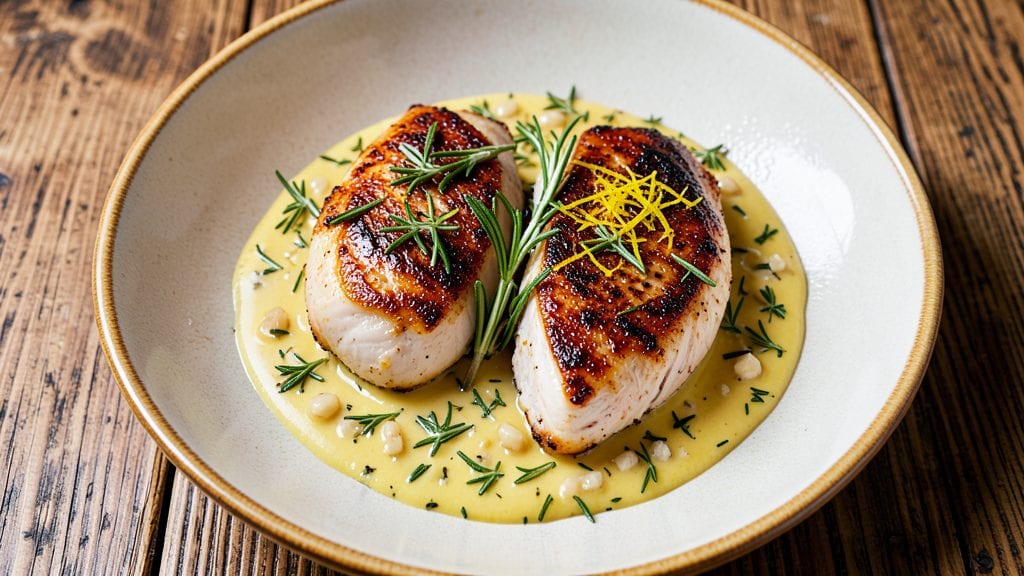
Mastering Gordon Ramsay's chicken breast recipe transforms simple weeknight dinners into restaurant-quality meals with just a few key techniques. The secret lies in precise searing and herb butter basting that creates a golden crust while keeping the meat juicy inside.
I've adapted his professional methods for home kitchens, where even small mistakes can ruin the perfect balance of texture and flavor.
What sets this recipe apart is the combination of high-heat searing to develop that signature crust with a gentle basting technique that prevents drying out. The herb butter crust adds layers of aromatic flavor that elevate ordinary chicken into something extraordinary.
This method delivers consistent results every time—no more dry, overcooked breasts or bland, underseasoned meals.
By following these exact steps, you'll achieve a chicken breast with perfectly seared edges and tender, juicy centers that practically melt in your mouth. The herb butter crust adds a rich, savory depth that makes this dish feel like a special occasion meal.
Once you try this method, you'll never go back to basic pan-searing again.
This recipe works equally well for weeknight dinners or impressing guests, making it the ultimate go-to for any home cook looking to elevate their cooking game. The techniques are straightforward once mastered, and the results speak for themselves—restaurant-quality chicken breast made in your own kitchen.
Ingredients for chicken breast gordon ramsay
Restaurant-quality chicken starts with these precise ingredients and techniques.
| Ingredient | Amount | Notes |
|---|---|---|
| Boneless, Skinless Chicken Breasts 🍗 | 1 ½ lb | Even thickness preferred |
| Unsalted Butter 🧈 | ½ cup | Cold, cut into small cubes |
| Fresh Rosemary 🌿 | 2 tbsp | Finely chopped, organic preferred |
| Fresh Thyme 🌿 | 1 tbsp | Leaves only, stems removed |
| Garlic Cloves 🧄 | 4 cloves | Peeled, minced fine |
| Lemon Zest 🍋 | 1 tbsp | From 1 large organic lemon |
| Kosher Salt 🧂 | 1 ½ tsp | Diamond Crystal preferred |
| Ground Black Pepper 🌶️ | 1 tsp | Freshly cracked |
| Extra-Virgin Olive Oil 🫒 | 1 tbsp | High-quality, fruity |
| All-Purpose Flour 🌾 | 2 tbsp | For dredging |
| Fresh Parsley 🌿 | 1 tbsp | Chopped, for garnish |
The chicken breasts are the foundation—look for even thickness to ensure even cooking. Whole Foods Market or Trader Joe's carry excellent pre-cut options, but if buying whole, pound them to 0.5-inch thickness for perfect doneness. The herb butter relies on high-quality unsalted butter (like Plugrá or Land O'Lakes), which should be cold and cubed for optimal crust formation. Fresh herbs make all the difference here—organic rosemary and thyme from the grocery store's produce section will have more flavor than dried substitutes. For the lemon zest, use a microplane to avoid bitter pith.
No fresh rosemary? Dried at one-third the amount works in a pinch, but the texture won't be the same. Substitute fresh sage for thyme in equal parts. If you're short on time, pre-minced garlic from a jar is fine, but fresh is always better. The olive oil should be high-quality extra-virgin—cheap oil will burn too quickly. For the flour dredge, all-purpose works best; breadcrumbs would make the crust too heavy. The lemon zest can be zested ahead and stored in the freezer for up to 3 months in an airtight container.
The herb butter mixture keeps well for 2 days in the fridge, covered. Store the chicken breasts uncovered on a plate in the coldest part of your fridge for up to 24 hours before cooking. Once seared, the chicken reheats beautifully—30 seconds in a hot pan restores that perfect crust. For meal prep, cook all breasts at once and portion with a thin layer of herb butter between each to maintain moisture. The leftovers stay juicy for 3 days when stored properly.
Why You'll Love This Recipe
- No Butter Waste: I swear by this trick—save the leftover garlic butter from the pan and slather it on toast the next morning. That rich, herby butter doesn’t disappear; it gets repurposed into something just as good.
- Herb-Packed Punch: The rosemary and thyme aren’t just garnish here—they’re the stars. Freshly minced garlic and browned butter create this deep, aromatic crust that makes plain chicken taste like a restaurant-worthy dish.
- Weeknight to Weekend: Pan-sear it for a quick weeknight dinner, then slice the leftovers for sandwiches or salads all weekend. The flavor actually improves after resting, so you’re not stuck eating it twice in one day.
- Budget-Friendly Luxury: Chicken breasts are affordable, but this method makes them feel special without breaking the bank. A little butter and herbs stretch to feed four for under $15, and the leftovers reheat like a dream.
Step-by-step instructions for perfect pan-seared chicken breast with herb butter crust
Here's the precise method for juicy, golden-brown chicken with a rich herb butter crust—just like Ramsay's.
Prepare the Herb Butter and Season the Chicken
In a small bowl, combine the 0.5 cup unsalted butter, 2 tbsp finely chopped fresh rosemary, 1 tbsp fresh thyme leaves, 4 minced garlic cloves, and 1 tbsp lemon zest. Mix well and set aside. This herb butter will create the signature crust while keeping the chicken impossibly tender.
Pat the 1.5 lb boneless, skinless chicken breasts completely dry with paper towels—this step is non-negotiable for crispy skin. Season both sides generously with 1.5 tsp kosher salt and 1 tsp freshly cracked black pepper. Let the chicken sit at room temperature for 15-20 minutes while you prep the rest. Room temperature chicken cooks more evenly and prevents overcooking.
Create the Flour Crust and Sear the Chicken
Place the 2 tbsp all-purpose flour on a shallow plate. Dredge each chicken breast lightly in the flour, tapping off any excess. This thin crust helps create the perfect sear and adds body to the herb butter mixture.
Heat a large skillet over medium-high heat until hot. Add 1 tbsp extra-virgin olive oil and swirl to coat the pan. Working in batches if needed, add the chicken breasts and cook for 4-5 minutes per side until golden brown and cooked through to an internal temperature of 160°F. Press down gently on the fillets during the first minute to prevent curling and ensure even contact with the pan.
Add the Herb Butter and Finish Cooking
Remove the chicken from the skillet and set aside on a warm plate. Reduce the heat to medium-low and add the prepared herb butter to the same skillet. Tilt the pan to coat the bottom evenly, letting it melt and bubble for 1-2 minutes until fragrant and slightly golden.
Return the chicken to the skillet, spooning the melted herb butter evenly over the top. Let it cook for an additional 1-2 minutes until the butter is completely melted and the chicken is fully coated. The butter should be bubbling gently but not browning too darkly—this ensures a rich, flavorful crust without bitterness.
Rest and Serve
Transfer the chicken to a cutting board and let it rest for 5-7 minutes before slicing. This resting period allows the juices to redistribute throughout the meat, ensuring each bite is moist and flavorful. If you slice too soon, the juices will run out, leaving you with dry chicken.
Garnish with 1 tbsp chopped fresh parsley just before serving. The herb butter crust should be golden and aromatic, with the chicken inside perfectly cooked—juicy, tender, and bursting with flavor. Serve immediately with lemon wedges or your favorite sides for a restaurant-quality meal at home.
Pro Tips For Making Chicken Breast Gordon Ramsay
- Pound to Even: Grab a rolling pin and give those breasts a firm whack—about ¼-inch thick—before seasoning. I learned this the hard way: uneven thickness means some parts overcook while others stay rubbery. (Yes, even if you’re impatient like me.)
- Butter the Pan First: Melt 1 tablespoon of unsalted butter in the pan before adding the chicken, then wipe off the excess with a paper towel. This guarantees a crust instead of a sad, sticky mess—no more fighting for that golden sear.
- Don’t Crowd the Pan: Cook the chicken in batches if needed; two breasts in a crowded pan will steam instead of sear. I used to ignore this, and the herbs just turned into a sad, soggy garnish. Space them out—your future self will thank you.
- Rest Under Foil: As soon as the chicken hits 165°F, transfer it to a plate, tent loosely with foil, and let it sit for 5 minutes. Skipping this step means juices pooling on top, and your knife will fight you when slicing. (Your grandmother was right.)
Regional styles of this dish
British Pub Classic
In traditional British pubs, chicken breast is often served with a herb butter crust similar to Ramsay's method, but with a twist: adding a splash of ale to the butter mixture.
I've tried this variation using Guinness or Fuller's ESB—just replace 1 tbsp of the butter with the same amount of stout. The dark malt flavors complement the herbs beautifully, especially when paired with crispy roasted potatoes and steamed greens.
This version feels like a homey Sunday roast without the fuss of a full meal. 🍺
Southern U.S. Twist
For a Southern-inspired adaptation, swap the rosemary for fresh sage and add ½ tsp smoked paprika to the herb butter. I like to serve this with cornbread dressing and collard greens—the smoky depth ties everything together.
The Southern approach often includes a lemon-pepper seasoning on the chicken before searing, which adds a bright contrast to the rich butter crust. This version feels like a cross between a classic dinner and a cozy comfort meal. 🌶️
French Bistro Style
In French bistros, chicken breast is often cooked with a dijon mustard element in the butter. I blend 1 tsp Dijon mustard into the herb butter mixture for a tangy kick. Serve with crusty baguette slices and a simple green salad dressed in vinaigrette.
The French technique emphasizes gentle basting with the butter to keep the chicken moist, and they often finish with a sprinkle of fresh tarragon instead of parsley. This version feels elegant but approachable for home cooks. 🥖
Italian Herb Variation
For an Italian touch, replace thyme with fresh oregano and add ¼ tsp red pepper flakes to the butter. I also like to finish the dish with a squeeze of fresh lemon and a sprinkle of grated Parmesan. Serve with roasted cherry tomatoes and garlic mashed potatoes.
The Italian approach often includes a light flour dredge (like this recipe) but emphasizes high-heat searing to create a crispy crust. This version feels fresh and vibrant, perfect for a weeknight dinner. 🍅
Mexican Fiesta Adaptation
Give it a Mexican flair by adding ½ tsp ground cumin and ¼ tsp chili powder to the herb butter. Garnish with fresh cilantro and serve with warm tortillas, black beans, and sautéed peppers.
The cumin adds a warm, earthy note that pairs perfectly with the lemon zest. This version feels festive and is great for Taco Tuesday or game day. 🌮
Japanese Teriyaki Fusion
For a fusion take, brush the chicken with a light teriyaki glaze (made with 2 tbsp soy sauce, 1 tbsp mirin, and 1 tsp honey) before searing, then finish with the herb butter.
Serve with steamed jasmine rice and quick-pickled cucumbers**. The teriyaki adds a sweet-savory depth that balances the herb butter beautifully. This version feels like a cozy, umami-rich meal perfect for chilly evenings. 🍱
Nutrition facts
Frequently asked questions
Why does Gordon Ramsay's method use herb butter for the crust?
The herb butter creates a flavorful barrier that locks in moisture while adding aromatic depth. The butter's fat prevents the chicken from drying out during high-heat searing, while the herbs infuse flavor directly into the meat. This technique ensures a perfect balance of texture and taste—crispy outside, juicy inside.
Can I use bone-in chicken breasts instead?
Yes, but adjust cooking times to 6-7 minutes per side for even doneness. Bone-in breasts require slightly lower heat to avoid overcooking the thinner edges. The bone also helps stabilize the shape during searing, but watch closely to prevent burning.
What's the best way to check if the chicken is fully cooked?
Use a meat thermometer to verify an internal temperature of 160°F at the thickest part. The chicken should also have no pink juices when cut—this ensures food safety while maintaining juiciness. Never rely on color alone.
Can I make the herb butter ahead of time?
Store the herb butter in an airtight container in the fridge for up to 2 days or freeze for 1 month. Let it soften slightly before using to ensure even coating. The herbs stay fresh longer when stored this way.
What if my chicken turns out dry?
Dry chicken usually means overcooking or skipping the rest time. Always use a thermometer and let the chicken rest for 5-7 minutes before slicing. For reheating, use low heat** in a covered pan with a splash of water to restore moisture.