
Soups & Stews
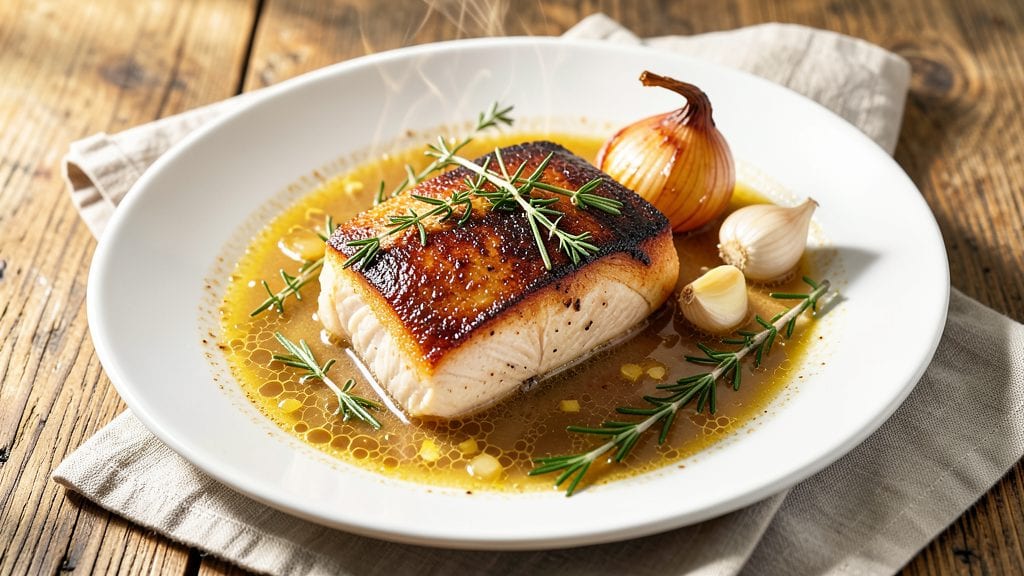
Transforming simple chicken breast into one-pot poached perfection requires just two core ingredients—chicken breast and chicken broth—yet delivers restaurant-quality results. This method eliminates dry, overcooked chicken by gently simmering it in flavorful broth until tender and juicy, while the broth itself becomes infused with rich, savory depth.
The beauty lies in its simplicity: no complicated techniques, no risk of overcooking, just foolproof results every time.
The secret to success begins with properly prepping the chicken breast—pounding it to even thickness ensures consistent cooking. Using high-quality chicken broth (homemade or store-bought) forms the foundation, while aromatics like garlic, onions, and herbs elevate the flavor profile without complicating the process.
The entire dish comes together in one pot, making cleanup effortless and dinner stress-free.
What you'll achieve is perfectly poached chicken breast with tender, moist centers and a subtle broth-infused flavor, served in the same aromatic liquid that becomes a velvety sauce. The result is a complete, balanced meal that pairs beautifully with steamed vegetables, crusty bread, or a simple side salad.
This method transforms an ordinary weeknight into a satisfying, restaurant-worthy experience.
Best of all, this recipe scales effortlessly—whether you're cooking for two or feeding a crowd. The same principles apply, ensuring consistent results regardless of portion size. Let's create this effortless, flavorful dish that redefines how you prepare chicken breast at home.
Ingredients for chicken breast chicken broth
Two core ingredients elevated by aromatic companions create this one-pot poached chicken masterpiece.
| Ingredient | Amount | Notes |
|---|---|---|
| Boneless, Skinless Chicken Breast 🍗 | 1 ½ lb | Pounded to even thickness |
| High-Quality Chicken Broth 🍲 | 4 cups | Homemade or store-bought |
| Yellow Onion 🧅 | 1 whole | Sliced into 1/4-inch pieces |
| Garlic Cloves 🧄 | 4 cloves | Smashed, not minced |
| Fresh Thyme Leaves 🌿 | ¼ cup | Stems removed, loosely packed |
| Fresh Rosemary 🌿 | ½ tsp | Finely chopped sprigs |
| Extra-Virgin Olive Oil 🫒 | 2 tbsp | For aromatics, high quality |
| Diamond Crystal Kosher Salt 🧂 | 1 ½ tsp | Adjust to taste |
| Freshly Ground Black Pepper 🌶️ | ½ tsp | Coarsely ground |
| Fresh Lemon Juice 🍋 | 2 tbsp | From 1/2 lemon, freshly squeezed |
| Bay Leaves 🌿 | 2 whole | Removed before serving |
The chicken breast selection is critical—opt for free-range or organic when possible, as the higher fat content yields more tender results. Whole Foods or local butcher shops often carry superior cuts with better marbling. Pound the breasts to a uniform 1/4-inch thickness using a meat mallet or rolling pin; this ensures even cooking and eliminates the risk of dry edges. For the chicken broth, homemade is ideal, but high-quality store-bought options like Pacific Foods or Swanson work beautifully. The aromatics—garlic, thyme, and rosemary—should be fresh; dried herbs lack the complexity needed for this refined technique.
No fresh thyme? Dried thyme at one-third the amount suffices, though the flavor will be more subdued. Substituting parsley for rosemary works in a pinch, but the earthy notes of rosemary are essential for depth. For the lemon juice, bottled lemon juice in a pinch, though freshly squeezed delivers superior brightness. If you're scaling this for a crowd, increase the broth by 1 cup per additional serving and adjust the chicken proportionally. The bay leaves can be omitted entirely if you dislike their flavor, but they add subtle complexity that enhances the broth's depth without overpowering the delicate chicken flavor.
This dish excels when prepared ahead—reheat gently in the same pot over low heat, adding a splash of water or broth if the sauce has reduced too much. The poached chicken and infused broth keep beautifully for 3 days refrigerated or 3 months frozen. For freezing, portion the chicken separately from the broth to preserve texture. The broth itself can be frozen in ice cube trays for convenient single-serving use later. Always store the dish in airtight containers to maintain freshness and prevent flavor absorption from surrounding foods in the refrigerator.
Why You'll Love This Recipe
- Foolproof Simplicity: I swear by this recipe because it’s the kind of dish that forgives mistakes—just sear the chicken, simmer the broth, and let the onion and garlic caramelize slowly. No fancy techniques, just a pot and 20 minutes of hands-off time while the thyme works its magic.
- Umami Bomb: That first sip of broth—salty, rich, with a deep garlic-thyme punch—makes me want to close my eyes. The chicken breast stays juicy, soaking up all the flavor without falling apart, and the broth? It’s the kind that turns a simple meal into something you’d order at a restaurant.
- Weeknight Workhorse: Between us, this is my go-to when I’m too tired to plan but still need dinner. Double the batch, freeze half, and you’ve got a ready-made base for stir-fries, grains, or even a quick pasta. Honestly, I’ve used it for everything from soup to dumplings, and it never lets me down.
- Budget Magic: A single chicken breast and a few pantry staples stretch into multiple meals—no wasted ingredients, just pure efficiency. The broth alone is worth the price; I’ve even used the leftovers to make gravy or deglaze pans. It’s the kind of recipe that makes grocery day feel like a win.
Step-by-step instructions for one-pot poached chicken breast
This method delivers tender, juicy chicken with richly flavored broth—all in a single pot.
Prepare the Chicken and Aromatics
Place the 1.5 lb boneless, skinless chicken breast between two sheets of plastic wrap and pound to an even ½-inch thickness using a meat mallet. This ensures even cooking and prevents dryness. Season both sides generously with 1.5 tsp diamond crystal kosher salt and 0.5 tsp freshly ground black pepper, pressing the seasoning into the meat to adhere.
Slice the 1 whole yellow onion into ¼-inch pieces and smash the 4 cloves garlic lightly with the side of your knife—this releases their oils without mincing them into oblivion. Remove stems from the 0.25 cup fresh thyme leaves and finely chop the 0.5 tsp fresh rosemary sprigs. These aromatics will infuse the broth with deep, herbal complexity.
Sear the Chicken for Depth of Flavor
Heat a large Dutch oven or deep skillet over medium-high heat until hot. Add the 2 tbsp extra-virgin olive oil and swirl to coat the bottom. Working in batches if needed, sear the chicken breasts for 2-3 minutes per side until they develop a deep golden-brown crust. This step isn't about full cooking—it's about building flavor through the Maillard reaction.
Remove the chicken and set aside. In the same pot, add the sliced onion and cook for 3-4 minutes until softened but not browned. Add the smashed garlic cloves and cook for 30 seconds until fragrant. Be careful not to burn the garlic—it should smell sweet and nutty, not bitter.
Poach the Chicken in Herb-Infused Broth
Pour in the 4 cups high-quality chicken broth, scraping up any browned bits from the bottom of the pot. Add the 0.25 cup fresh thyme leaves, 0.5 tsp fresh rosemary, 2 whole bay leaves, and return the chicken to the pot. Bring to a gentle simmer—the liquid should bubble softly around the edges but not boil vigorously. Overly aggressive boiling can cause the chicken to toughen.
Cover the pot and reduce heat to low, then simmer for 15-20 minutes. The chicken is done when it reaches an internal temperature of 165°F and a knife slides in easily with no resistance. Here's the thing—don't lift the lid during cooking. Every time you peek, you risk losing heat and extending cook time.
Finish with Lemon and Rest
Once the chicken reaches 165°F, remove it from the pot and let it rest on a cutting board for 5 minutes. This resting period allows the juices to redistribute, ensuring each bite is moist and flavorful. While the chicken rests, stir the 2 tbsp fresh lemon juice into the broth. This brightens the flavors and cuts through the richness of the poaching liquid.
Slice the chicken against the grain into ¼-inch thick pieces and serve immediately with the infused broth. The result should be tender, juicy chicken with a delicate crust, paired with a fragrant, herbaceous broth that carries all the flavors of the aromatics. This one-pot method ensures maximum flavor with minimal effort—just as promised.
Pro Tips For Making Chicken Breast Chicken Broth
- Sear the Chicken First: Hit that chicken breast with a quick sear in a hot pan before adding broth—just 2-3 minutes per side until golden. I learned this the hard way: skipping the sear leaves you with bland, rubbery chicken swimming in flavorless liquid. The crust adds depth, and it won’t overcook in the broth afterward.
- Mince, Don’t Dice Onion: Tiny onion pieces dissolve faster and sweeten the broth without leaving chunks. I used to dice them like I do for stir-fries, and they’d sit stubbornly at the bottom. A sharp knife and a rough chop into 1/8-inch pieces makes all the difference—trust me, your broth will taste richer.
- Simmer, Don’t Boil: Keep the heat low enough that you barely see bubbles breaking the surface. After burning three batches of broth (yes, really), I realized boiling turns the chicken breast into a sad, dry sponge. A gentle simmer—about 180°F (82°C)—keeps the meat tender and the broth clear.
- Toast the Garlic: Sauté the minced garlic in the pan for 30 seconds until fragrant but not browned—this releases flavor that dissolves right into the broth. I was skeptical until I tried it; now I never skip it. Fresh thyme leaves can join at the end, but toasted garlic is the backbone of the flavor here.
Dietary considerations for these flavors
Gluten-Free Adaptations
This recipe is naturally gluten-free since it relies solely on chicken, broth, and fresh aromatics. However, always double-check your chicken broth label—some store-bought versions contain hidden gluten from additives or thickeners.
I recommend Pacific Foods gluten-free chicken broth or homemade broth made with gluten-free ingredients. The same goes for any seasonings or herbs you use—ensure they're certified gluten-free if you're sensitive. 🌾
Low-Carb/Keto Options
For a keto-friendly version, simply omit the onions and reduce the broth to 3 cups to lower carb content further. The chicken breast is already an excellent low-carb protein source, with only 1 gram of carbs per serving.
If you want extra flavor without carbs, add ¼ cup finely chopped celery or 2 tbsp capers to the broth instead of onions. The lemon juice and herbs keep it fresh and satisfying while staying under 5 grams of net carbs per serving.
Dairy-Free Considerations
This recipe is inherently dairy-free, but if you're serving it with sides, be mindful of common dairy-containing accompaniments. Instead of butter on bread, use olive oil or dairy-free butter alternatives like Miyoko's.
For a creamy texture in the broth (if desired), stir in 2 tbsp coconut milk or cashew cream at the end. The chicken and broth remain completely dairy-free while still delivering rich, comforting flavors. ✨
Allergen-Friendly Swaps
If you're accommodating egg allergies, this recipe is already safe—no eggs are involved. For nut allergies, avoid garnishes like chopped nuts or nut-based thickeners.
The broth can be thickened with a cornstarch slurry (1 tbsp cornstarch + 2 tbsp water) if needed, but the natural richness of the poached chicken and herbs often eliminates the need. Always use separate utensils and cookware if cross-contamination is a concern. 💡
Protein-Packed Boost
Looking to increase protein content? Add ½ cup cooked quinoa or ½ cup cooked lentils to the pot during the final 10 minutes of simmering. Both options absorb the broth's flavors beautifully while adding fiber and plant-based protein.
For an extra boost, stir in 1 scoop unflavored collagen peptides at the end—it dissolves seamlessly and adds 10 grams of protein without altering the dish's texture or taste.
Sodium Control Tips
If you're watching sodium intake, reduce the salt in the recipe by half (0.75 tsp) and use low-sodium chicken broth. Boost flavor instead with extra aromatics—double the garlic to 6 cloves or add 1 tsp smoked paprika to the broth.
For a final touch, serve with fresh herbs like parsley or cilantro on the side so diners can adjust seasoning to taste. This keeps the dish flavorful while cutting sodium by up to 50%. 🧂
Nutrition facts
Frequently asked questions
Why does this recipe call for pounding the chicken breast?
Pounding the chicken to ½-inch thickness ensures even cooking throughout, preventing dry edges while keeping the center juicy. Uneven thickness causes some areas to overcook while others stay underdone. This method guarantees perfectly tender results every time.
Can I use bone-in chicken instead of boneless breasts?
Bone-in chicken will add even more flavor to the broth, but increase cooking time to 25-30 minutes for medium-sized pieces. Remove the chicken when it reaches 165°F internally, then shred or slice before serving. The bones will infuse the broth with rich, gelatinous depth.
What if my chicken turns out dry?
Dry chicken usually means overcooking or improper prep. First, ensure you're using high-quality broth—low-quality versions can make chicken tough. Always poach at a gentle simmer (not a boil) and remove chicken immediately when it hits 165°F. For extra moisture, add 2 tbsp lemon juice to the broth at the end.
How can I make this recipe ahead of time?
This dish reheats beautifully! Store the poached chicken and broth separately in airtight containers for up to 3 days refrigerated or 3 months frozen. To reheat, warm both components separately—chicken in a skillet with a splash of broth, broth on the stove over low heat—until steaming hot. Never microwave chicken directly from cold.
What are the best sides to serve with this?
This poached chicken pairs perfectly with steamed green beans, roasted asparagus, or crusty sourdough bread. For a complete meal, serve with wild rice pilaf or a simple mixed greens salad with lemon vinaigrette. The herbaceous broth also works wonderfully as a base for risotto or pasta.