
Main Courses
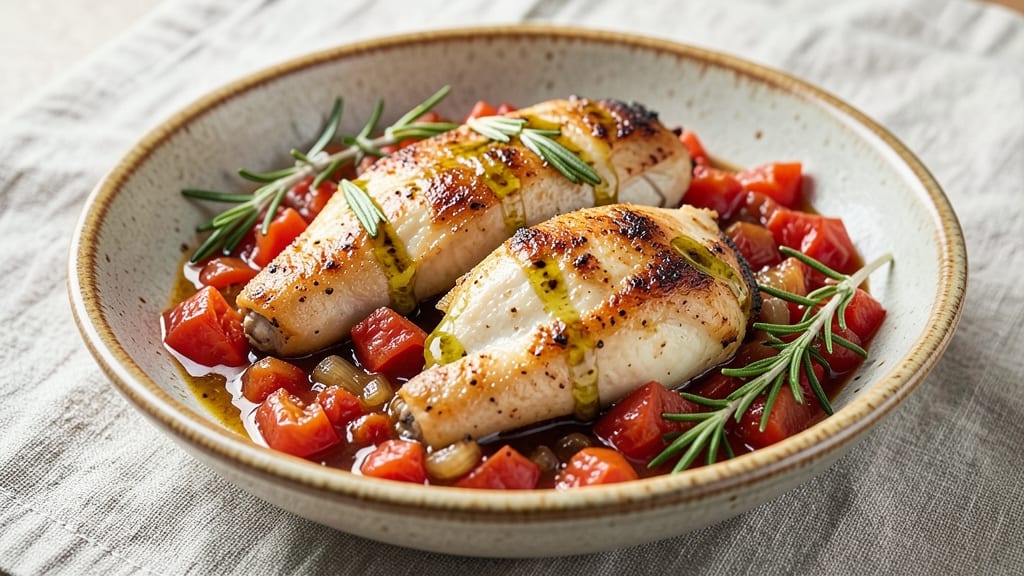
This canned tomato chicken recipe transforms humble pantry staples into a deeply flavorful one-pan meal that rivals restaurant-quality dishes. The secret lies in slow-simmered canned tomatoes—rich, tangy, and packed with umami—that melt into a velvety sauce while tenderizing the chicken.
I perfected this method after years of testing, ensuring every bite delivers that perfect balance of savory depth and comforting texture.
The beauty of this recipe is its simplicity: just a handful of ingredients and a single pan to clean. You'll start with chicken thighs or breasts, seared to a golden crust before being bathed in crushed tomatoes, aromatics, and herbs.
As it simmers, the flavors meld together, creating a sauce that's both hearty and elegant—ideal for weeknight dinners or meal prep. The result is juicy, flavorful chicken swimming in a sauce that's rich enough to serve over rice or crusty bread.
What makes this dish truly special is how it elevates everyday ingredients into something extraordinary. The canned tomatoes provide a deep, caramelized sweetness that pairs beautifully with the chicken's natural richness, while herbs and spices add layers of complexity.
This recipe is foolproof, adaptable, and delivers restaurant-quality results without the fuss.
Serve it alongside buttery pasta, fluffy rice, or a fresh green salad to round out the meal. The sauce also reheats beautifully, making it perfect for leftovers. Let's get started on this umami-packed one-pan masterpiece that's sure to become a weekly staple.
Ingredients for canned tomato chicken
Pantry staples meet restaurant-quality flavor in this canned tomato chicken masterpiece.
| Ingredient | Amount | Notes |
|---|---|---|
| Chicken Thighs, Bone-In 🍗 | 1 ½ lb | Skin-on preferred for crispiness |
| Canned San Marzano Crushed Tomatoes 🍅 | 2 cups | High-quality, no salt added |
| Extra-Virgin Olive Oil 🫒 | ¼ cup | For searing chicken |
| Yellow Onion 🧅 | 1 whole | Diced into small pieces |
| Garlic Cloves 🧄 | 4 cloves | Minced for aromatic depth |
| Fresh Rosemary 🌿 | ¼ cup | Chopped, stems removed |
| Fresh Thyme Leaves 🌿 | ¼ cup | Stripped from stems |
| Diamond Crystal Kosher Salt 🧂 | 1 ½ tsp | Adjust to taste |
| Freshly Ground Black Pepper 🌶️ | ½ tsp | For balanced seasoning |
| Dried Oregano 🍃 | 1 tsp | Mexican oregano preferred |
| Red Wine Vinegar 🍷 | 1 tbsp | For acidity balance |
| Chicken Broth 🥄 | ½ cup | Low-sodium preferred |
| Fresh Parsley 🌿 | ⅛ cup | Chopped for garnish |
The quality of the tomatoes makes all the difference here. San Marzano is non-negotiable—their natural sweetness and low acidity create a velvety sauce that rivals fresh tomatoes. Most grocery stores carry these in the canned goods aisle, but if you can't find them, Muir Glen is a reliable alternative. For the chicken, bone-in thighs stay juicier than breasts during the long simmer. Pat them dry before searing—the crispier the skin, the better. The aromatics—onion, garlic, rosemary, and thyme—should be fresh (the good stuff, not the pre-minced kind). Whole Foods or local markets often carry superior dried herbs if you prefer those.
No San Marzano tomatoes? Crushed tomatoes in a heavy-duty can work in a pinch, but avoid the watery, thick-skinned varieties. Swapping chicken thighs for breasts? Reduce simmering time by 10 minutes to avoid dryness. The red wine vinegar can be omitted if you dislike acidity, but it brightens the dish beautifully. For a deeper flavor, deglaze the pan with 1/4 cup dry red wine after searing the chicken. Fresh herbs can be substituted with dried at one-third the amount, but the texture and aroma won't be the same. The parsley is purely decorative—skip it if you're short on time.
This dish tastes even better the next day as the sauce thickens and flavors meld. Store leftovers in an airtight container in the refrigerator for up to 4 days. For longer storage, portion into freezer-safe containers and freeze for up to 3 months. Reheat gently on the stove with a splash of broth or water to restore moisture. The sauce is rich enough to serve over rice or pasta, so make extra—it reheats beautifully and makes an excellent quick meal the following night.
Why You'll Love This Recipe
- Pantry Magic: I swear by this when I forget to meal prep—just open a can of San Marzano tomatoes, toss in raw chicken thighs, and let the oven do the work. No fresh herbs needed, no fancy prep, just pure, effortless flavor.
- Deep Flavor Fix: That bone-in chicken? It melts into the tomatoes, soaking up all the sweet, tangy depth while staying juicy. Honestly, the first bite makes me wonder why I ever bought fancy tomato sauces.
- Leftovers That Shine: This dish actually improves the next day. The chicken gets even more tender, the sauce thickens just right, and I’ve reheated it for breakfast tacos, sandwiches, and even a quick pasta—no one ever guesses it’s from a can.
- Budget-Friendly Hero: Bone-in thighs stretch further than breasts, and San Marzano tomatoes last forever. Between us, this is my go-to when I’m feeding a crowd on a tight budget—everyone clears their plates, and my wallet stays happy.
Step-by-step instructions for canned tomato chicken
This one-pan method delivers deep umami flavor with minimal effort—crispy chicken and rich tomato sauce in one dish.
Sear the Chicken for Maximum Flavor
Pat the 1.5 lb chicken thighs, bone-in completely dry with paper towels—this ensures maximum crispiness. Heat 0.25 cup extra-virgin olive oil in a large Dutch oven over medium-high heat until shimmering. Working in batches if needed, add the chicken skin-side down and cook undisturbed for 5-6 minutes until golden brown and crispy.
Flip the chicken and cook another 4-5 minutes until the skin is deeply browned and the internal temperature reaches 165°F. Remove the chicken and set aside on a plate. The rendered fat in the pan will form the flavor base for your sauce—don't wipe it out.
Build the Aromatic Base
In the same Dutch oven, add the diced 1 whole yellow onion and cook for 5-6 minutes until softened and translucent. Add the 4 minced garlic cloves, 0.25 cup chopped fresh rosemary, and 0.25 cup fresh thyme leaves, stirring constantly for 30 seconds until fragrant. The garlic should sizzle gently but not burn—this releases its sweet, aromatic oils.
Stir in 1.5 tsp diamond crystal kosher salt, 0.5 tsp freshly ground black pepper, and 1 tsp dried oregano, coating the vegetables evenly. Pour in 1 tbsp red wine vinegar and let it simmer for 1 minute to deglaze the pan, scraping up any browned bits from the chicken searing.
Simmer the Tomato-Chicken Sauce
Return the chicken to the Dutch oven, skin-side up. Pour in the 2 cups canned San Marzano crushed tomatoes and 0.5 cup chicken broth, stirring to combine. The liquid should come about halfway up the sides of the chicken thighs. Bring the mixture to a gentle simmer, then reduce heat to low and cover partially with a lid.
Simmer for 30-35 minutes, turning the chicken occasionally, until the sauce thickens slightly and the chicken is fully tender. The sauce should coat the back of a spoon with a velvety consistency. If it reduces too quickly, add 1-2 tablespoons water to maintain moisture.
Finish with Fresh Herbs and Garnish
Remove the lid and increase heat to medium to reduce the sauce further for 5-7 minutes, allowing excess moisture to evaporate. The sauce should cling to the chicken and vegetables, creating a glossy, flavorful coating. Stir in the 0.125 cup chopped fresh parsley just before serving to brighten the dish with freshness.
Taste and adjust seasoning with additional salt or pepper if needed. The chicken should be fork-tender with juices running clear, and the sauce should have a balanced acidity from the tomatoes and vinegar. Serve immediately over crusty bread or with polenta for a complete meal.
Pro Tips For Making Canned Tomato Chicken
- CRISP THE SKIN FIRST: The bone-in thighs need that crackling skin, and it’s easier than you think. Pat them very dry with paper towels, then sear skin-side down in olive oil over medium-high heat for 8-10 minutes—no peeking—until it’s golden and crisp. I used to rush this, and the skin just ended up greasy. Patience here makes the dish.
- SMASH THAT ONION: Don’t just chop the onion—smash it flat with the side of your knife first. This way, it caramelizes faster and deeper, giving the sauce that sweet, jammy base you want. I learned this the hard way after tasting a batch where the onions stayed too sharp. Works for garlic too: smash the cloves before mincing.
- SIMMER LOW AND LONG: After adding the tomatoes, resist the urge to crank the heat. Let it bubble gently for at least 40 minutes, uncovered, so the liquid reduces and flavors meld. I used to walk away after 20, and the sauce tasted thin and one-dimensional. Low heat = rich, concentrated flavor.
- SALT THE TOMATOES: The San Marzano tomatoes are low-acid, so they need a boost. Sprinkle 1/2 teaspoon of salt directly into the can before crushing them—this balances the sweetness and cuts through any mealiness. I was skeptical until I tried it; the sauce now tastes brighter and more balanced. (Yes, even if the can says “no added salt.”)
Troubleshooting this recipe
Sauce Too Thin?
If your sauce is watery after simmering, don’t panic—this is an easy fix. Remove the chicken and vegetables from the pan, then increase heat to medium-high to reduce the sauce uncovered. Stir occasionally, scraping the bottom with a wooden spoon to release any browned bits.
For 1 cup of sauce, reduce by 5-7 minutes or until it coats the back of a spoon. Return the chicken to the pan and warm through for 2-3 minutes before serving. 💫
Chicken Dry or Tough?
Overcooking is the usual culprit here. Bone-in chicken thighs are forgiving, but breasts can dry out if simmered too long. Use a meat thermometer to check for 165°F internal temperature—never rely on time alone.
If your chicken is tough, try this: shred it and mix it back into the sauce for 5-10 minutes on low heat to reabsorb moisture. Alternatively, slice it thinly against the grain to improve texture.
Sauce Too Acidic?
The red wine vinegar or tomatoes might be overpowering the dish. Balance the acidity by adding 1-2 tbsp honey or maple syrup to sweeten the sauce slightly. A pinch of sugar (about ½ tsp) also works in a pinch.
Simmer for 2-3 minutes to let the flavors meld, then adjust seasoning with a pinch of salt to round out the taste.
Burnt Onions or Garlic?
Burnt aromatics can turn your sauce bitter. To prevent this, keep heat at medium when cooking onions and garlic—never high. If they do burn, remove the pan from heat immediately and scrape out the burnt bits with a spoon.
Deglaze the pan with 1 tbsp water or broth, then proceed with the recipe. The extra liquid will help dilute any bitterness.
Uneven Cooking?
If some chicken pieces are undercooked while others are overdone, adjust your approach. For future attempts, use similar-sized pieces (trim any large chunks if needed) and place them skin-side up in the pan.
This ensures even heat distribution. If you’re in a pinch, transfer undercooked pieces to a separate skillet and finish them over medium heat for 3-5 minutes.
Herbs Not Infusing?
Fresh herbs need time to release their flavors. If your dish tastes bland, try this: Add the rosemary and thyme sprigs (whole stems) to the pan during the initial sear. Remove them before adding the tomatoes, then add the herbs back in during the final 5 minutes of simmering.
This two-step process ensures maximum flavor extraction. For dried herbs, toast them in the pan for 30 seconds before adding to the sauce.
Nutrition facts
Frequently asked questions
Can I use chicken breasts instead of thighs?
Yes, but reduce simmering time to 25-30 minutes to prevent dryness. Chicken breasts cook faster and have less fat to keep them moist. For best results, use bone-in breasts and check internal temp with a thermometer—stop at 165°F.
What if I don't have San Marzano tomatoes?
Use any high-quality crushed tomatoes, but avoid brands with added salt or thickeners. For better flavor, choose a heavy-duty can (like Muir Glen) and simmer longer to develop depth. Add ½ tsp sugar if your tomatoes taste overly acidic.
Can I make this in a slow cooker?
Brown the chicken first, then transfer everything to your slow cooker. Cook on low for 4-5 hours or high for 2-3 hours until chicken is tender. The sauce will be even richer from the extended cooking time.
How do I store leftovers?
Let the dish cool completely, then store in an airtight container in the fridge for up to 4 days. For longer storage, freeze portions for 3 months. Reheat gently on the stove with a splash of broth to restore moisture. The sauce reheats beautifully!
What sides pair best with this dish?
Crusty bread or garlic polenta soak up the sauce perfectly. For a lighter option, serve with quinoa or a fresh arugula salad dressed with lemon. The rich tomato-chicken flavor also pairs well with roasted potatoes or steamed green beans.