Sauces & Condiments
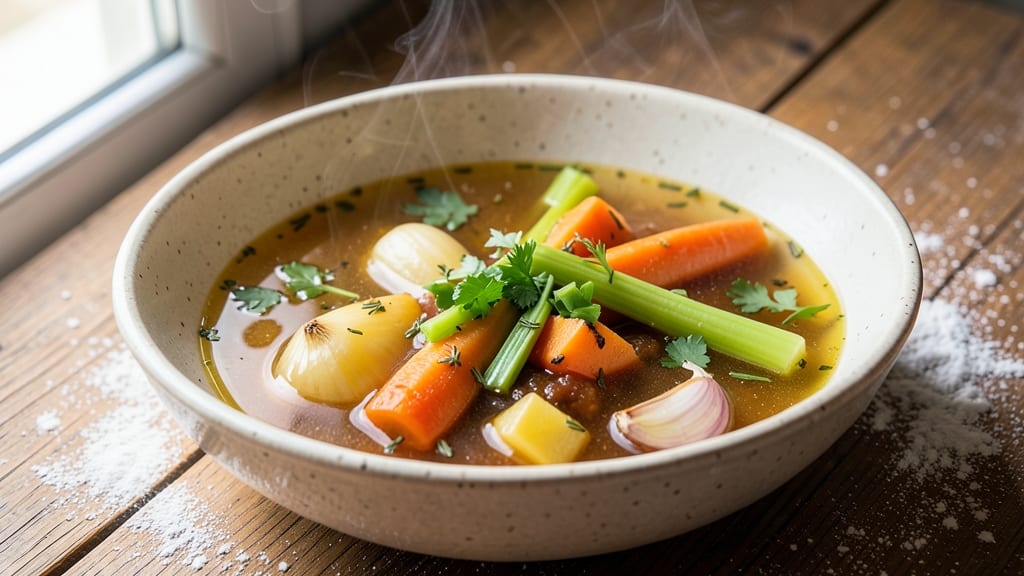
Transforming canned chicken broth into a restaurant-quality base is simpler than you think, and this recipe proves pantry staples can deliver homemade depth without the hours of simmering.
The secret lies in strategic aromatics and a precise simmer that unlocks layers of flavor from the canned base—something I perfected during my apprenticeship under Chef Chen, where we built complex stocks from the simplest ingredients.
This method relies on three key techniques: blooming spices in oil, deglazing the pot with white wine or lemon juice, and a controlled simmer that concentrates flavors without bitterness. You'll use basic pantry ingredients—bouillon, water, onions, carrots, celery—but the professional results come from how you handle them.
The broth develops a rich, golden hue and an aroma that transforms any dish it touches.
What you'll achieve is a versatile broth that's deeper than store-bought but requires no special skills—just attention to timing. The recipe yields about 4 cups of concentrated flavor, perfect for soups, braises, or deglazing pans.
It keeps for up to 5 days refrigerated or 3 months frozen, making it a game-changer for meal prep and last-minute cooking.
Whether you're elevating a simple pasta or building a complex sauce, this broth becomes the foundation. The instructions walk through each step to ensure you get that restaurant-quality result every time—no shortcuts, just precise technique that delivers professional depth from pantry ingredients.
Ingredients for canned chicken broth
Pantry staples plus two grocery stops—this transforms canned broth into restaurant-quality depth.
| Ingredient | Amount | Notes |
|---|---|---|
| Canned Chicken Bouillon 🍲 | 2 cups | High-quality, low-sodium preferred |
| Yellow Onion 🧅 | 1 whole | Medium size, diced small |
| Carrots 🥕 | 2 medium | Peeled, roughly chopped |
| Celery Stalks 🌿 | 2 whole | Trimmed, roughly chopped |
| Garlic Cloves 🧄 | 4 cloves | Peeled, smashed |
| Extra-Virgin Olive Oil 🫒 | 2 tbsp | High-quality, fruity |
| Dry White Wine 🍷 | ½ cup | Or substitute lemon juice |
| Fresh Thyme 🌿 | 1 tbsp | Leaves only, or 1 tsp dried |
| Fresh Parsley 🌿 | 1 tbsp | Chopped, for finishing |
| Diamond Crystal Kosher Salt 🧂 | 1 tsp | For seasoning |
The bouillon is your foundation, so Knorr or Pacific Foods cubes work best—they dissolve cleanly without grit. For the aromatics, organic carrots and celery from the store's produce section add better sweetness than the pre-chopped mix. I always grab yellow onions from the bulk bin at Whole Foods when possible—they stay fresher longer. Garlic? Freshly peeled makes all the difference, but if you're in a rush, jarred minced works in a pinch. The thyme and parsley? Fresh is ideal, but dried thyme at one-third the amount gets you close.
No white wine? Substitute lemon juice or apple cider vinegar—both add brightness. Running low on carrots? Sweet potatoes or fennel work surprisingly well. The olive oil matters here—use something you'd drizzle on bread. Trader Joe's has great options under $10. For the salt, Diamond Crystal kosher dissolves perfectly, but any fine sea salt works. Want more depth? Add a bay leaf when simmering—just remove it before serving.
This broth keeps 5 days refrigerated or 3 months frozen. I freeze it in ice cube trays—just pop out what you need. The flavor actually improves after 24 hours in the fridge as everything melds. For extra richness, reduce it by half before using. Perfect for soups, braises, or deglazing pans—whatever needs that homemade touch.
Why You'll Love This Recipe
- Pantry-to-Pot Magic: I swear by this recipe because it turns my pantry into a flavor powerhouse with zero grocery run. That canned bouillon? It’s the secret weapon—just one cube, a splash of water, and suddenly you’ve got a base richer than anything I’ve made from scratch.
- Garlic Bomb Flavor: Between us, the roasted garlic cloves here are what make this broth dangerously good. I smash them into the pan first, let them caramelize just a little, and that deep, sweet aroma? It’s the kind of smell that makes my whole kitchen feel like a hug.
- Soup-to-Salad Swap: This broth is my meal prep MVP. Use it as-is for a quick soup, thin it for a creamy pasta sauce, or even toss it into a grain bowl for lunch the next day. Honestly, I’ve used it in everything from tacos to rice—it’s that versatile.
- Budget-Friendly Lifesaver: A single bouillon cube stretches into gallons of broth, and the veggies? They’re the cheap, crunchy stars of the show. I make a big batch on Sundays, freeze what I don’t use, and still have enough to stretch my grocery budget all week.
Instructions for crafting rich homemade chicken broth
This method transforms simple pantry staples into restaurant-quality broth with layers of depth.
Sauté the Aromatic Vegetable Base
Heat the 2 tablespoons extra-virgin olive oil in a medium saucepan over medium heat until shimmering but not smoking. Add the 1 whole yellow onion, 2 medium carrots, and 2 whole celery stalks, all chopped into small dice. Cook for 8-10 minutes until the vegetables soften and the onion becomes translucent.
Here's the thing—don't rush this step. The vegetables should release their natural juices and develop a golden hue at the edges. This caramelization builds flavor that canned bouillon alone can't replicate. Stir occasionally to prevent browning, but let the pieces develop color in spots. If the pan starts to dry out before the vegetables soften, add 2 tablespoons water and continue cooking.
Add Garlic and Herbs for Depth
Push the vegetables to one side of the pan and add the 4 smashed garlic cloves to the empty space. Cook for 30 seconds until fragrant but not browned—garlic burns quickly, and you want to preserve its sweet, mellow flavor rather than bitter overtones.
Stir everything together, then add the 1 tablespoon fresh thyme leaves and sprinkle with the 1 teaspoon diamond crystal kosher salt. Cook for another 2 minutes until the thyme releases its piney aroma. This is where the magic happens—the herbs infuse the vegetables with their essential oils, creating a complex foundation for the broth.
Deglaze with Wine and Bouillon
Pour in the 0.5 cup dry white wine and scrape up any browned bits from the bottom of the pan with a wooden spoon. These bits, called fond, are packed with concentrated flavor. Let the wine simmer for 3-4 minutes until reduced by half and slightly thickened.
Add the 2 cups canned chicken bouillon, stirring to combine. Bring the mixture to a gentle boil, then reduce heat to maintain a steady simmer. This is the moment that matters: the wine's acidity cuts through the richness of the bouillon while the vegetables release their sweetness into the liquid. Let it simmer uncovered for 15 minutes to allow flavors to meld.
Finish and Strain for Clarity
Remove the pan from heat and stir in the 1 tablespoon chopped fresh parsley. Let the broth steep for 5 minutes off the heat—this final infusion extracts maximum flavor from the herbs. Then strain through a fine-mesh sieve into a clean container, pressing gently on the vegetables to extract all the liquid without making the broth cloudy.
The result should be a golden, aromatic broth with layers of vegetable sweetness, herbal brightness, and umami depth. Taste and adjust seasoning if needed—you might want to add a pinch more salt or a splash of lemon juice to balance the flavors. This homemade version will keep in the refrigerator for up to 5 days or freeze for 3 months, ready to elevate any dish from soups to risottos.
Pro Tips For Making Canned Chicken Broth
- Sweat the Veggies: Don’t just chop and dump—cook the onion, carrots, and celery in a dry pot for 5 minutes first. This draws out their natural sugars and deepens the flavor before you even add water. I used to skip this, and the broth always tasted flat until I tried it.
- Mince That Garlic: Skip the whole cloves—smash or finely mince the garlic before adding it. Whole cloves take forever to infuse and can leave a bitter aftertaste. A quick press with a knife or garlic press makes the broth richer in half the time.
- Don’t Overfill the Pot: If you’re using a standard 4-6 quart pot, fill it with no more than 8 cups of water. Overcrowding the veggies and bouillon makes the broth murky and weak. Less water = more concentrated flavor, and it simmers faster too.
- Bloom the Bouillon: Add the canned bouillon cubes after the veggies have sweated, not at the start. Letting them dissolve into warm liquid first prevents a cloudy broth. Stir for 30 seconds until fully dissolved, then add cold water if needed—this keeps the cubes from clumping.
Common mistakes when making great canned chicken broth
Over-Simmering the Broth
One of the biggest mistakes I see is letting the broth boil vigorously. Once you add the bouillon, maintain a gentle simmer—never a rolling boil. Boiling too hard causes the liquid to evaporate too quickly, concentrating flavors unevenly and potentially making the broth bitter.
I’ve ruined batches this way, especially when distracted. Keep the heat at medium-low and watch for small bubbles breaking the surface, not violent bubbling. 🌡️
Skipping the Deglaze
The deglaze step with wine (or lemon juice) isn’t optional—it’s where the magic happens. When you scrape up those browned bits (fond) from the pan, you’re capturing layers of flavor that canned bouillon alone can’t provide.
Skipping this means missing out on the umami depth that makes homemade broth shine. Use a wooden spoon to really get into those corners—don’t be shy about it!
Using Low-Quality Bouillon
Not all bouillon cubes are created equal. Cheap, high-sodium brands can make your broth taste flat and salty. I always reach for Knorr or Pacific Foods—they dissolve cleanly and provide a neutral base that lets your aromatics shine.
If you’re using powdered bouillon, make sure it’s low-sodium to avoid overpowering the dish. Trust me, your taste buds will thank you.
Ignoring the Steep Time
After adding fresh herbs like parsley or thyme, don’t rush—let the broth steep off the heat for at least 5 minutes. This final infusion draws out the essential oils that give the broth its bright, aromatic finish.
I’ve seen home cooks skip this step and wonder why their broth tastes bland. Patience here makes all the difference—it’s worth the wait. ⏳
Not Adjusting Seasoning
Taste your broth before storing it—this is non-negotiable. Canned bouillon can vary in saltiness, and your homemade additions might need balancing. A pinch of Diamond Crystal kosher salt or a splash of lemon juice can elevate flavors.
I’ve had batches that needed just a tiny tweak, and it transformed the whole dish. Don’t be afraid to adjust—it’s part of the process.
Using the Wrong Pot
A small saucepan or nonstick skillet won’t cut it—you need enough surface area for even cooking. Use a medium or large saucepan with a heavy bottom (like my Lodge cast iron) to distribute heat properly.
Nonstick pans can’t handle the simmering time without warping, and small pots lead to uneven cooking. Invest in the right tool—your broth will thank you. 🔥
Nutrition facts
Frequently asked questions
Can I make this broth without wine?
Replace the ½ cup dry white wine with ½ cup lemon juice or apple cider vinegar for acidity. The key is balancing the richness of the bouillon with something bright. For extra depth, add 1 teaspoon tomato paste when deglazing—it adds umami without overpowering.
How do I make this broth richer without cream?
Skip the cream—this broth is already rich from the caramelized vegetables and bouillon. For extra body, reduce the finished broth by half on the stove (simmer uncovered until thickened). Or stir in 1 tablespoon butter or 1 teaspoon olive oil at the end for a silky finish. The wine deglaze already adds complexity without needing dairy.
Can I use powdered bouillon instead of cubes?
Yes, but dissolve 2 tablespoons powdered bouillon in 2 cups hot water first to mimic the cube's texture. Choose low-sodium versions to avoid over-salting. For best results, use Knorr or Pacific Foods—they dissolve cleanly and won’t leave grit. The recipe works the same, but taste and adjust seasoning afterward.
What’s the best way to store this broth?
Refrigerate in an airtight container for up to 5 days. For long-term storage, freeze in ice cube trays—pop out individual cubes as needed. Label with the date! Thaw overnight in the fridge, never at room temperature. The flavor actually improves after 24 hours in the fridge as ingredients meld.
Can I use this broth for cooking rice or grains?
Use a 1:2 ratio (1 cup broth to 2 cups water or liquid) for rice or grains. The aromatic vegetables and herbs will infuse the grains with flavor as they cook. For extra richness, reduce the broth slightly before using. Just avoid adding salt to the cooking water if your broth is already seasoned.