
Soups & Stews
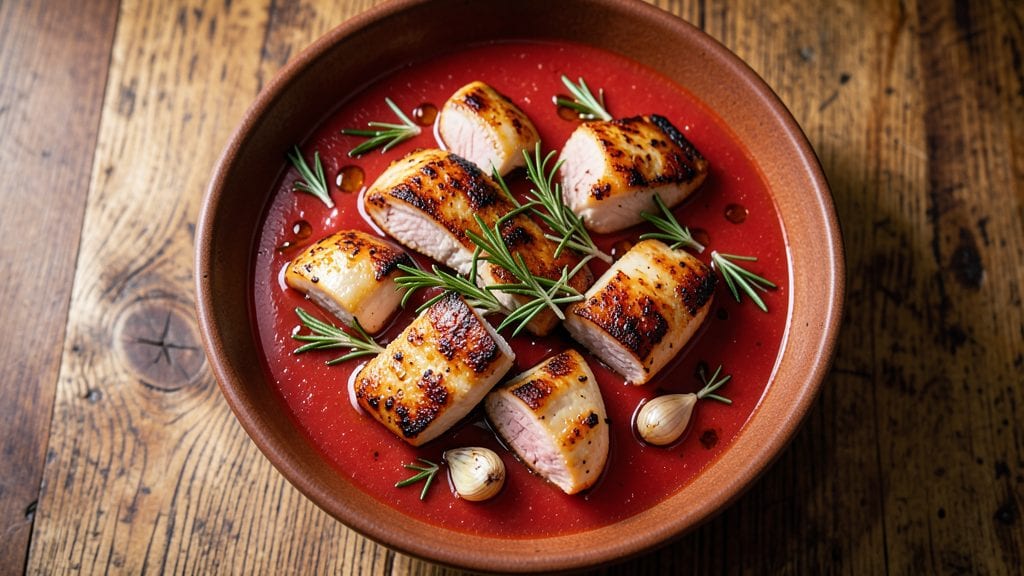
Transforming a pantry staple into Campbell's Tomato Soup Chicken Cacciatore delivers the hearty comfort of Italian tradition with minimal effort. This one-pan recipe merges the deep flavors of braised chicken with the convenience of canned tomato soup, creating a dish that's both nostalgic and innovative.
Growing up in small-town Georgia, I learned that comfort often comes from simple ingredients combined with care—and this recipe proves that principle perfectly.
The beauty of this method lies in its balance: traditional Italian techniques meet modern shortcuts. You'll start by searing chicken thighs in a Dutch oven, then deglaze with wine to build a rich foundation.
The Campbell's tomato soup steps in as the flavor anchor, its acidity and sweetness perfectly complementing the herbed wine simmer. This approach ensures the canned soup enhances rather than dominates the dish, creating a sauce that's tangy, aromatic, and deeply satisfying.
What you'll achieve is a restaurant-quality cacciatore that's ready in under an hour, with minimal cleanup. The chicken emerges tender and juicy, bathed in a sauce that's velvety yet bright—thanks to fresh herbs and a touch of cream at the end.
The dish delivers that Italian comfort we crave, especially on chilly evenings, without requiring hours in the kitchen or specialized ingredients.
Serve this with crusty bread to soak up every last drop of that herbed tomato sauce, or pair it with roasted potatoes for a complete meal. The recipe scales beautifully, making it perfect for feeding a crowd or prepping ahead for busy nights.
Let's bring this Italian comfort to your table with confidence and ease.
Ingredients for campbell's tomato soup chicken cacciatore
Pantry staples meet Italian tradition in this comforting one-pan chicken dish.
| Ingredient | Amount | Notes |
|---|---|---|
| Boneless, Skinless Chicken Thighs 🍗 | 1 ½ lb | Cut into 1-inch pieces |
| Campbell's Tomato Soup 🍅 | 1 can | 15 oz can, undiluted |
| Dry Red Wine 🍷 | ½ cup | Bold variety like Cabernet |
| Chicken Broth 💧 | ½ cup | Low-sodium preferred |
| Garlic Cloves 🧄 | 4 cloves | Minced, fresh preferred |
| Fresh Rosemary 🌿 | ¼ cup | Chopped, stems removed |
| Fresh Thyme 🌿 | ¼ cup | Leaves only, chopped |
| Olive Oil 🫒 | 2 tbsp | Extra-virgin for richness |
| Heavy Cream 🥛 | ¼ cup | Full-fat for creaminess |
| Salt 🧂 | 1 ½ tsp | Kosher or sea salt |
| Black Pepper 🌶️ | 1 tsp | Freshly ground preferred |
| Red Pepper Flakes 🌶️ | ½ tsp | Adjust for spice preference |
| Fresh Parsley 🌿 | ⅛ cup | Chopped, for garnish |
The Campbell's tomato soup is the secret weapon here—stick with the classic 15 oz can; no need for reduced-sodium or organic versions. Walmart or Kroger always have it in stock, and the price point makes this a budget-friendly comfort dish. For the wine, any bold red works—Cabernet, Merlot, or even a cheap Chianti from the grocery store. The chicken thighs should be bone-in for flavor, but boneless works if that's what you've got. Look for thighs with good marbling; they'll stay juicier during the long simmer. Fresh herbs are ideal, but dried thyme and rosemary work in a pinch—just double the amount.
No red wine? Substitute extra chicken broth—just add another half cup. The Campbell's soup can be swapped for homemade tomato sauce if you've got it, but the canned version adds that perfect sweetness. Short on fresh herbs? Italian seasoning blends work, though you'll miss the bright notes. The heavy cream at the end is non-negotiable for that velvety finish, but if you're avoiding dairy, Greek yogurt thinned with broth mimics the texture. For extra depth, a splash of balsamic vinegar at the end balances the acidity beautifully.
This dish tastes even better the next day—plan ahead and make it a day before if you can. The sauce thickens as it sits, so add a splash of broth if it seems too thick when reheating. Store in an airtight container in the fridge for up to 5 days, or freeze portions for 3 months. I always double the recipe because leftovers make the best lunches. The herbs can be prepped ahead and stored in the fridge for up to 3 days—just chop them right before adding to the pot to preserve their brightness.
Why You'll Love This Recipe
- One-Pot Magic: I swear by this recipe when I’m too tired to scrub a million dishes. The chicken thighs brown right in the pan, then everything simmers together—tomato soup, wine, broth—until it’s rich and sticky. Just one pan to wash, and honestly? I’m already halfway to dessert by the time I’m done.
- Wine-Infused Depth: That splash of dry red wine transforms this into something fancy without the fuss. It cuts through the acidity of the tomato soup while letting the garlic and chicken shine—like a cozy Italian restaurant in my kitchen. (Yes, even on a Tuesday night.)
- Leftovers That Beg: This dish tastes better the next day, I’m not joking. The flavors meld into something heartier, and it reheats like a dream. I’ll make a double batch just to have it for lunch—my lazy afternoon savior.
- Budget-Friendly Feast: Chicken thighs are cheaper than breasts, and using Campbell’s tomato soup keeps costs low without sacrificing flavor. A bottle of wine stretches for two meals, and the broth stretches even further. My wallet and my taste buds win.
Step-by-step instructions for Campbell's tomato soup chicken cacciatore
This one-pan Italian classic delivers deep, herby flavors with minimal effort—perfect for cozy weeknight dinners.
Sear the Chicken Until Golden
Heat the 2 tablespoons olive oil in a large Dutch oven over medium-high heat. Working in batches to avoid crowding, add the 1.5 pounds boneless, skinless chicken thighs cut into 1-inch pieces, seasoning each piece generously with ½ teaspoon salt and ⅓ teaspoon black pepper. Let them sear undisturbed for 3-4 minutes until the edges are deep golden brown and crispy.
I press down gently on the chicken during the first minute—this prevents it from curling and ensures even contact with the pan. Once golden, transfer the seared chicken to a plate. You'll know it's ready when it releases easily from the pan without sticking. Keep the chicken warm while you build the sauce.
Sauté Aromatics and Deglaze the Pan
In the same Dutch oven, reduce heat to medium and add the 4 cloves minced garlic. Sauté for 30 seconds until fragrant—don't let it brown or it'll turn bitter. Add the 0.25 cup chopped fresh rosemary and 0.25 cup chopped fresh thyme, stirring for 1 minute to release their aromatic oils.
Pour in the 0.5 cup dry red wine and scrape up all the browned bits from the bottom of the pan with a wooden spoon. This deglazing step captures all that concentrated chicken flavor. Let the wine simmer for 2-3 minutes until reduced by half, until it smells rich and slightly concentrated.
Build the Tomato Base
Add the 1 can Campbell's Tomato Soup and 0.5 cup chicken broth, stirring to combine. Bring to a gentle simmer, then reduce heat to low. Season with the remaining 1 teaspoon salt, ⅔ teaspoon black pepper, and 0.5 teaspoon red pepper flakes. Let the sauce simmer uncovered for 15 minutes, stirring occasionally, until it thickens slightly and develops a deep, vibrant color.
This simmering time allows the flavors to meld together. If the sauce looks too thin, you can reduce it further by simmering uncovered for another 5 minutes. The goal is a sauce that coats the back of a spoon but still has body—not watery, not gluey, just perfectly balanced.
Finish with Cream and Return the Chicken
Return the seared chicken to the Dutch oven along with any accumulated juices. Stir in the 0.25 cup heavy cream, then cover and let it simmer gently for 10 minutes on low heat. This gentle cooking ensures the chicken finishes tender without drying out, while the cream adds richness without overpowering the other flavors.
Taste and adjust seasoning if needed—sometimes the wine or tomato soup can vary in saltiness. The sauce should be vibrant, herby, and slightly tangy with a touch of heat from the red pepper flakes. If it's too acidic, a pinch more salt helps balance it.
Garnish and Serve Warm
Remove from heat and stir in the 0.125 cup chopped fresh parsley. Let the dish rest for 5 minutes to allow the flavors to settle. Serve immediately over crusty bread or with mashed potatoes to soak up every last bit of that rich, herby tomato sauce.
This dish tastes even better the next day as the flavors continue to develop, but the sauce will thicken slightly. If needed, stir in 1-2 tablespoons of water or broth to loosen it before reheating. The combination of tender chicken, deep tomato flavor, and aromatic herbs makes this a true comfort dish that feels like a warm hug in a bowl.
Pro Tips For Making Campbell'S Tomato Soup Chicken Cacciatore
- Sear the Chicken Hard: I learned this the hard way—skipping the sear makes the dish taste like it was simmered in soup the whole time. Get your pan smoking hot and cook those thighs until they’re deep golden, not just pink. That crust is what carries flavor through the wine and broth.
- Deglaze with Wine Immediately: Don’t let that browned chicken stick turn to sludge. The second you remove the thighs, pour in that red wine right away—no lingering, no waiting. Scrape every last bit from the bottom with a wooden spoon, or you’re losing half the flavor.
- Simmer Low and Slow: High heat at the start is great, but once the wine’s reduced and the soup’s in, drop the heat. A gentle simmer (barely bubbling) keeps the chicken tender and the sauce from turning gluey. I used to rush it, and the texture suffered every time.
- Toast the Garlic: Mince those cloves fine, then toss them in the pan with a little oil for 30 seconds until they’re fragrant and just turning golden. Raw garlic in this dish is a missed opportunity—it adds depth that changes the whole flavor profile. (Yes, even if you’re impatient like me.)
Regional styles of this dish
Italian Grandma's Twist
In my nonna's kitchen in Sicily, this dish was called "pollo al pomodoro," and she'd never dream of using canned soup. But her technique for balancing acidity and richness translates perfectly here.
She'd always add 1 tablespoon of tomato paste to her homemade sauce before simmering—do the same here to deepen the tomato flavor. The key is to simmer the sauce uncovered for 20 minutes instead of 15, letting it reduce naturally.
This creates a glossy, concentrated sauce that clings to the chicken like it should. 🌶️
Southern Italian "Cacciatore" Style
True cacciatore from Naples includes sausage and bell peppers>—I like Italian sweet or hot sausage (about ½ lb) browned with the chicken. Add 1 diced red bell pepper> and 1 diced onion with the garlic for that classic "hunter's style" flavor profile.
The peppers add natural sweetness that cuts through the acidity of the Campbell's soup beautifully. I've made this version for my family gatherings, and it's always the first to disappear. 🍅
Tuscan White Bean Version
For a heartier dish inspired by Tuscany, stir in 1 can (15 oz) cannellini beans during the final 10 minutes> of simmering. The beans absorb the herby tomato sauce while adding satisfying texture. I like to add ½ teaspoon fennel seeds> with the rosemary for an authentic touch.
This version tastes even better the next day as the beans soften further and the flavors meld. Serve with crusty bread for dipping—it's a meal in itself. 💛
Roman-Style Tomato Sauce
In Rome, they call this "pollo al sugo" and focus on a smoother, silkier sauce>. After adding the Campbell's soup, blend it with an immersion blender until smooth, then return to the pot. This creates a velvety sauce that coats the chicken perfectly.
For extra richness, stir in 2 tablespoons of olive oil> at the end. The Roman version often includes a splash of pasta water> (about ¼ cup>) to loosen the sauce slightly before serving. 🍝
Modern Shortcut Adaptation
For a 30-minute version>, start with pre-cut chicken thighs> from the grocery store's rotisserie section. Sauté the aromatics, add the Campbell's soup with ½ cup chicken broth>, and let it simmer for just 10 minutes>.
Stir in the cream and herbs, then serve immediately. This works perfectly for weeknight dinners when you're short on time. The flavor won't be as deep as the traditional method, but it's still delicious and satisfying. 💡
Sicilian Lemon Twist
In Sicily, they often finish dishes with citrus to cut through richness. Add zest of 1 lemon> and 1 tablespoon fresh lemon juice> when you stir in the parsley. The bright acidity balances the tomato sauce beautifully.
I also like to add ½ teaspoon dried oregano> with the thyme for that classic Sicilian flavor. This version has a lovely balance of sweet, tangy, and herby notes that makes it feel like a true vacation dish. 🍋
Nutrition facts
Frequently asked questions
Can I use chicken breasts instead of thighs?
Chicken breasts will work, but thighs are ideal for this dish because they stay juicier during the long simmer. If using breasts, cut them into ½-inch thick pieces and pound them slightly to even thickness. They'll finish cooking faster, so reduce the final simmer time to 5-7 minutes after adding them back to the sauce.
What if I don't have red wine?
No problem! Substitute with ½ cup extra chicken broth or even ½ cup apple cider vinegar for acidity. If using vinegar, add it gradually and taste as you go—it's stronger than wine. For depth, add ½ teaspoon soy sauce or 1 teaspoon Worcestershire sauce to mimic the umami notes of wine.
How do I make this dish ahead of time?
This recipe tastes even better the next day! Let it cool completely, then store in an airtight container in the fridge for up to 5 days. Reheat gently on the stove over low heat, stirring occasionally and adding 1-2 tablespoons of water or broth if the sauce thickens too much. The flavors develop beautifully overnight.
Can I make this in a slow cooker?
Sear the chicken first, then transfer everything to a slow cooker. Cook on low for 6-7 hours or high for 3-4 hours. Add the cream and parsley during the last 30 minutes of cooking. The slow cooker method makes this a perfect hands-off meal for busy days.
Why did my sauce turn out too acidic?
Canned tomato soup can sometimes be too acidic, especially if not balanced properly. To fix it, stir in ½ teaspoon sugar or 1 teaspoon honey to mellow the acidity. A pinch of salt also helps balance flavors. For future batches, reduce the Campbell's soup to ¾ can and add ¼ cup tomato paste instead to control the acidity.