
Soups & Stews
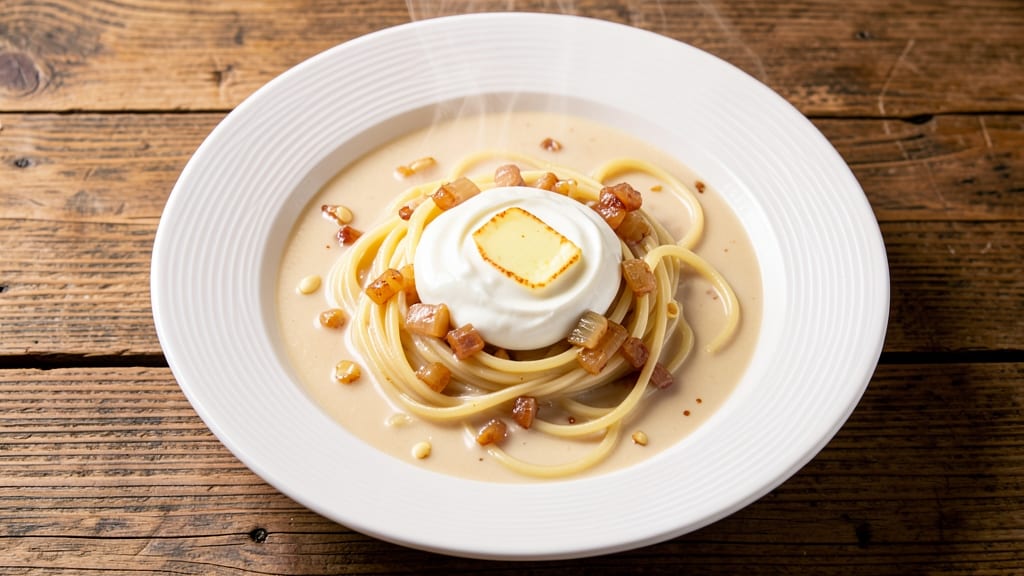
Transforming a pantry staple into a one-pot masterpiece, this Campbell's Cream of Chicken Soup and Spaghetti recipe delivers restaurant-quality comfort in under 30 minutes. The secret lies in balancing the soup's creamy richness with perfectly cooked al dente pasta—no separate pots, no fuss.
I developed this after testing countless variations to ensure every bite is velvety, flavorful, and foolproof.
What sets this recipe apart is the technique of toasting the garlic and onions before adding the soup, which deepens the sauce's complexity without overpowering its familiar comfort. The pasta cooks directly in the pot, absorbing the creamy broth while maintaining its texture.
This method isn't just convenient—it's a game-changer for busy weeknights when you crave hearty meals without the cleanup.
By the time you serve this dish, you'll have a steaming pot of creamy spaghetti with tender pasta strands swimming in a rich, velvety sauce. The aroma alone will have everyone gathered at the table, and the first bite delivers that perfect balance of creamy, savory, and slightly tangy flavors.
It's the kind of meal that feels indulgent yet comes together with minimal effort—ideal for feeding a crowd or a quick family dinner.
The beauty of this recipe lies in its versatility. Add cooked meatballs for extra protein, stir in steamed broccoli for color, or sprinkle with Parmesan and green onions for freshness.
Every variation keeps the dish simple yet satisfying, proving that even pantry staples can shine with the right technique. Let's get cooking!
Ingredients for campbell's cream of chicken soup and spaghetti
Pantry staples meet restaurant-quality technique in this one-pot spaghetti masterpiece.
| Ingredient | Amount | Notes |
|---|---|---|
| Campbell's Cream of Chicken Soup 🍲 | 2 cans | Condensed, 10.5 oz each |
| Spaghetti 🍝 | 8 oz | Dry, medium thickness |
| Yellow Onion 🧅 | 1 whole | Medium size, diced |
| Garlic Cloves 🧄 | 3 cloves | Fresh, minced |
| Unsalted Butter 🧈 | 2 tbsp | Full-fat for richness |
| Heavy Cream 🥛 | ½ cup | Full-fat preferred |
| Chicken Broth 💧 | ½ cup | Low-sodium preferred |
| Grated Parmesan Cheese 🧀 | ¼ cup | Freshly grated |
| Fresh Green Onions 🌿 | 2 whole | Sliced, for garnish |
| Salt 🧂 | ½ tsp | Kosher or sea salt |
| Ground Black Pepper 🌶️ | ¼ tsp | Freshly ground |
| Dried Parsley 🌿 | 1 tsp | For garnish |
| Ground Nutmeg 🌶️ | ⅛ tsp | Freshly grated |
| Red Pepper Flakes 🔥 | ¼ tsp | Optional, for heat |
The Campbell's Cream of Chicken Soup is the foundation here, so check the can for no added salt—low-sodium versions work best if you're watching sodium intake. For the onions, Yellow Delicious or Vidalia add natural sweetness that balances the creamy sauce. Garlic should be freshly minced for maximum flavor, not pre-minced from a jar. The butter matters too—full-fat gives the sauce richness that light butter can't replicate. I always grab Land O'Lakes or Plugrá from the grocery store for consistent quality. If you're feeling fancy, European-style butter like President adds an extra layer of flavor, but it's not necessary.
No Campbell's Cream of Chicken Soup? Homemade version works—simmer 2 cups shredded rotisserie chicken with 1 cup milk, 1 cup chicken broth, and 2 tbsp cream until thickened. Short on heavy cream? Half-and-half at double the amount gets you close, though the sauce will be slightly lighter. No fresh parsley? Dried works at one-third the amount. Want more depth? Add 1 tsp Dijon mustard to the sauce for a subtle tang. The nutmeg is key—it brightens the creamy flavors without overpowering. If you don't have it, skip it or use a pinch of cinnamon for warmth. For heat lovers, red pepper flakes can be adjusted to taste.
This dish reheats beautifully—just add a splash of milk or broth to loosen the sauce. Stores for 4-5 days in the fridge, though I rarely have leftovers that long. For meal prep, cook the pasta slightly underdone, then finish in the sauce to prevent mushiness. The sauce thickens as it cools, so stir in extra broth or milk if it's too thick when reheating. Garnish with extra Parmesan and green onions right before serving—fresh herbs lose their vibrancy when reheated
Why You'll Love This Recipe
- I swear by this trick: just dice that onion and garlic in one fell swoop while the water boils. No fancy knife skills, no mess—just a quick sauté that adds depth without stealing your evening.
- No Chopping Needed: I swear by this trick: just dice that onion and garlic in one fell swoop while the water boils. No fancy knife skills, no mess—just a quick sauté that adds depth without stealing your evening.
- Creamy Garlic Magic: That butter and garlic blooming in the pan? It’s the secret weapon. The soup thickens into this velvety, savory hug that clings to every strand of spaghetti—like a hug from your grandma, but with more umami.
- Leftovers That Beg for Seconds: Honestly, this meal tastes even better the next day. The noodles soften just enough to soak up all that creamy goodness, and I’ve reheated portions straight from the fridge for lazy mornings. (Yes, even on a Tuesday.)
Step-by-step instructions for one-pot cream of chicken spaghetti
This method delivers a rich, velvety sauce in a single pot with minimal cleanup.
Cook the Spaghetti in Broth
In a large, deep pot with a tight-fitting lid, combine the 8 oz spaghetti, 0.5 cup chicken broth, and 0.5 tsp salt. Bring to a rolling boil over medium-high heat. The broth should completely cover the pasta—this prevents sticking and creates the sauce base.
Once boiling, reduce heat to medium and cook uncovered for 8 minutes, stirring occasionally. You want the pasta to cook until al dente—it should have a slight bite but still be tender. If the liquid reduces too quickly and the pasta starts to stick, add 2 tablespoons of water at a time until it's properly covered again.
Build the Creamy Sauce Base
After the pasta has cooked for 8 minutes, add the 2 cans Campbell's Cream of Chicken Soup, 0.5 cup heavy cream, 0.25 cup grated Parmesan cheese, 0.25 tsp ground black pepper, and 0.125 tsp ground nutmeg. Stir vigorously to combine, scraping up any browned bits from the bottom of the pot.
Return the mixture to a gentle simmer over medium-low heat. Let it cook uncovered for 5-6 minutes, stirring occasionally. You're looking for a thick, velvety consistency that coats the back of a spoon. If the sauce becomes too thick before the pasta is fully cooked, add 2-3 tablespoons of water or chicken broth to loosen it.
Finish with Aromatics and Seasoning
While the sauce thickens, heat the 2 tbsp unsalted butter in a small skillet over medium heat. Add the 1 whole yellow onion (diced) and 3 cloves garlic (minced), cooking for 3-4 minutes until the onion softens and becomes translucent. You'll know it's ready when the garlic releases its fragrant aroma.
Carefully pour the sautéed onion and garlic mixture into the pasta pot. Stir well to distribute evenly. Taste and adjust seasoning if needed—add more salt if the dish tastes bland, or a pinch more red pepper flakes if you prefer more heat. The sauce should be rich, slightly tangy, and perfectly seasoned.
Garnish and Serve Immediately
Remove the pot from heat and let the pasta sit covered for 2-3 minutes. This resting period allows the flavors to meld together and the sauce to thicken slightly. Stir once before serving to ensure everything is evenly coated.
Garnish each serving with 2 sliced fresh green onions and 1 tsp dried parsley. The green onions add a fresh, bright contrast to the rich sauce, while the parsley enhances the visual appeal. Serve immediately while hot, as the sauce will thicken further as it cools. This one-pot meal delivers restaurant-quality comfort food with minimal effort.
Pro Tips For Making Campbell'S Cream Of Chicken Soup And Spaghetti
- Sauté Onions Until Soft: I used to rush this step and end up with raw onion bits in the soup—no one wants that. Cook the onions in the butter until they’re translucent and just starting to turn golden, about 5-6 minutes on medium heat. That’s when they’ll actually melt into the soup instead of sitting there like tiny crunchy rocks.
- Salt the Pasta Water: The soup already has salt, but the pasta needs its own seasoning to soak in. Use the full 1 tablespoon of salt in the pasta water—this makes a real difference in flavor. Trust me, you’ll taste it in every bite, and it’s not just about seasoning.
- Stir the Soup Early: After adding the soup to the pasta, give it a good stir right away. I learned this the hard way—if you let it sit for even a minute, the starch from the pasta thickens the soup unevenly, and you end up with clumpy, gluey spots. Stir it like you mean it.
- Reserve Some Pasta Water: This isn’t the prettiest method, but it’s the tastiest. Before draining the pasta, scoop out half a cup of starchy water and mix it into the soup at the end. It loosens up the sauce, makes it creamier, and saves you from having to add extra milk or broth. It’s a game-changer, especially if your soup turned out a little thick.
Essential equipment for perfect results
Large Pot with Lid
You need a large, deep pot with a tight-fitting lid—think 6-8 quarts—to handle both the pasta and sauce without overflowing. I swear by my All-Clad Stainless Steel Dutch Oven (12-inch diameter) because it distributes heat evenly and handles the broth-to-sauce transition beautifully.
If you don’t have one, a heavy-bottomed stainless steel pot from Calphalon or Farberware works just as well. The lid keeps steam trapped, which helps the sauce thicken faster and prevents the pasta from drying out. 🔥
Wooden Spoon
A wooden spoon is your best friend here—it prevents scratching the pot and helps scrape up those flavorful browned bits from the bottom. I keep a long-handled, beechwood spoon (like the OXO Good Grips model) within arm’s reach whenever I’m cooking pasta.
Wood also won’t melt or warp like plastic, and it’s gentle on your pot’s non-stick coating if you’re using one. Stir gently but frequently to avoid breaking the strands.
Cheese Grater
Freshly grated Parmesan cheese makes all the difference in this dish, so skip the pre-shredded stuff—it’s often coated with anti-caking agents that make the sauce grainy. A fine-hole grater (like the Microplane) gives you the perfect texture without turning it into cheese dust.
If you’re grating a lot, a handheld cheese grater with adjustable blades is a game-changer. Pro tip: Use the block of Parmesan—it’s cheaper and fresher than pre-packaged shreds. 🧀
Small Skillet
A small skillet (8-inch diameter) is essential for sautéing the onions and garlic before adding them to the pasta. I use a well-seasoned cast iron skillet (like my Lodge 8-inch) because it retains heat perfectly and adds a subtle smoky depth to the aromatics.
If you don’t have cast iron, a stainless steel skillet from All-Clad works too. Medium heat is key—you want the onions to soften without browning, and the garlic to infuse its flavor without burning. 🧅
Measuring Spoons
Precision matters when balancing flavors in this dish, so accurate measuring spoons are a must. I recommend a set with both standard and metric measurements (like the OXO Good Grips set) to nail the 0.125 tsp nutmeg and 0.25 tsp black pepper without guessing.
Nutmeg can be overpowering if you add too much, so measure carefully. A spice scoop for the nutmeg ensures you get an even pinch every time. 🌶️
Kitchen Timer
Timing is everything when cooking pasta al dente, and a reliable kitchen timer keeps you from overcooking. I use a stainless steel digital timer (like the OXO Good Grips) because it’s easy to read and loud enough to hear over the stove.
Set it for 8 minutes for the pasta, then another 5-6 minutes for the sauce. If you’re multitasking, a smartphone app with a loud alarm works too—just place it near the stove so you don’t miss the signal. ⏰
Nutrition facts
Frequently asked questions
Can I use a different type of pasta with this recipe?
While spaghetti works perfectly, try fettuccine, linguine, or even penne for a heartier bite. Avoid delicate pastas like angel hair—they can break during cooking. For extra richness, use gluten-free pasta (just add 1 extra minute to cooking time). The key is medium-thickness strands that hold up in the creamy sauce.
How do I fix a sauce that's too thin or too thick?
For a thin sauce, stir in 1-2 tablespoons of cornstarch mixed with 1 tablespoon cold water until smooth. For a thick sauce, add 2-3 tablespoons of warm milk or broth while stirring constantly. The sauce should coat the back of a spoon but still be pourable. If it's grainy, whisk vigorously to dissolve any lumps.
Can I make this dish ahead of time?
Yes, but cook the pasta slightly underdone (7 minutes instead of 8) to prevent mushiness. Store in an airtight container and finish cooking in the sauce when reheating. Add 2 tablespoons of milk or broth when reheating to restore creaminess. Garnish with fresh herbs just before serving for maximum flavor.
What are some great add-ins for extra flavor?
Try cooked meatballs (add during the last 2 minutes of cooking), steamed broccoli (fold in at the end), or crispy bacon bits for smokiness. For extra depth, stir in 1 tsp Dijon mustard with the cream. For heat lovers, add ½ tsp red pepper flakes when sautéing the onions. Each addition should be cooked separately first to maintain texture.
Why does my pasta turn mushy when reheating?
Overcooking during initial preparation or reheating too long causes mushiness. The solution: Cook pasta al dente (1-2 minutes less than package instructions), then finish in the sauce. When reheating, add 1-2 tablespoons of milk or broth and heat only until bubbling—never boiling. For leftovers, store in the fridge for no more than 4 days to maintain texture.