
Main Courses
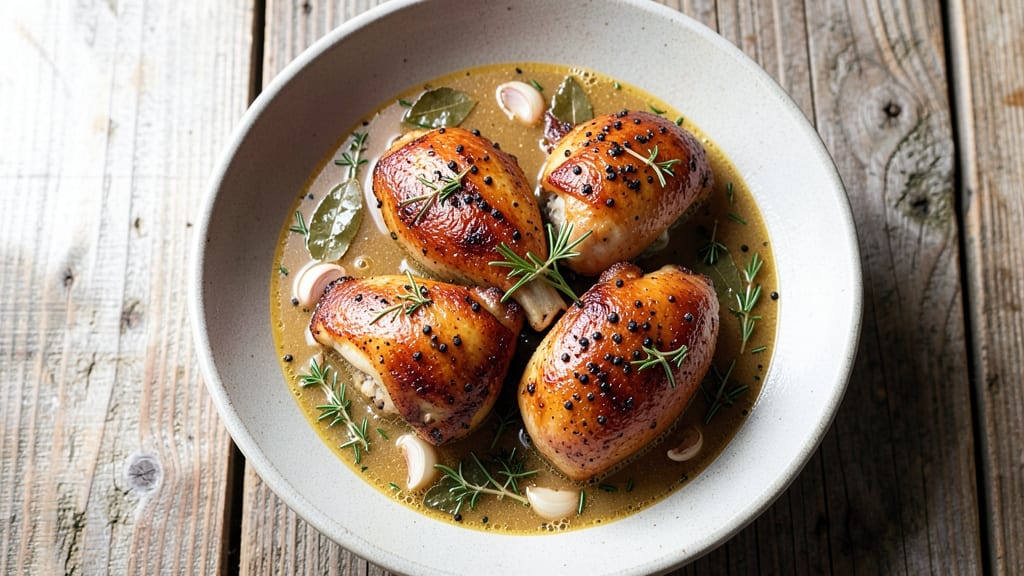
This herb-infused boiled chicken thighs recipe transforms simple simmering into a restaurant-worthy technique that delivers fall-off-the-bone tenderness every time. After years of perfecting my grandmother’s Sunday roast chicken, I’ve adapted her methods to create a foolproof approach that works for weeknight dinners or special occasions alike.
The key? A precise brine and controlled simmer that preserves moisture while building deep flavor.
What sets this method apart is the juicy, succulent texture achieved through a balanced brine and gentle cooking process—no dry, rubbery results here. Bone-in thighs stay tender and flavorful, while the herb-infused broth becomes a versatile base for soups, gravies, or even rice dishes.
This isn’t just boiled chicken; it’s a foundation for effortless, elegant meals that impress without requiring hours in the kitchen.
The recipe begins with a simple brine that enhances natural flavors, followed by a gentle simmer that ensures even cooking. No need for complicated techniques—just patience and attention to temperature. The result?
Chicken so tender it nearly disintegrates at the touch, with a rich, aromatic broth that elevates any side dish. Ready in under an hour, this method proves that boiled chicken can be both professional-quality and completely approachable.
Pair the finished thighs with roasted vegetables, fluffy rice, or a light herb sauce for a complete meal. The leftovers reheat beautifully, making this the ultimate make-ahead solution for busy families or meal prep. Here’s how to achieve perfect results every time.
Ingredients for boiled chicken thighs
Twelve essential ingredients transform simple simmering into restaurant-quality herb-infused chicken thighs.
| Ingredient | Amount | Notes |
|---|---|---|
| Bone-In Chicken Thighs 🍗 | 1 ½ lb | Skin-on, uniform size preferred |
| Diamond Crystal Kosher Salt 🧂 | ½ cup | For precise brine concentration |
| Fresh Rosemary 🌿 | ¼ cup | Finely chopped sprigs |
| Fresh Thyme 🌿 | ¼ cup | Leaves only, stems removed |
| Fresh Bay Leaves 🍃 | 2 whole | Lightly crushed |
| Garlic Cloves 🧄 | 6 cloves | Smashed, not minced |
| Black Peppercorns 🌶️ | 1 tbsp | Coarsely cracked |
| White Wine Vinegar 🍷 | ¼ cup | For balanced acidity |
| Cold Water 💧 | 4 cups | Filtered preferred |
| Extra-Virgin Olive Oil 🫒 | 2 tbsp | For finishing drizzle |
| Fresh Lemon Juice 🍋 | 1 tbsp | Brightens final presentation |
| Fresh Parsley 🌿 | ⅛ cup | Chopped, for garnish |
The quality of your chicken thighs makes all the difference here. Opt for skin-on, bone-in thighs with a generous fat cap—the fat renders during cooking, creating a self-basting effect that ensures juicy, succulent results. Most butchers will trim excess fat for you if asked, but leave a ¼-inch layer for optimal flavor. For the fresh herbs, Whole Foods or local farmers markets offer the most vibrant options—rosemary and thyme should have a fresh, piney aroma with no wilted stems. The bay leaves are non-negotiable; California-grown leaves have the most intense flavor. Store any unused fresh herbs in the refrigerator wrapped in damp paper towels for up to 5 days to preserve their potency.
No fresh rosemary? Dried rosemary at half the amount works in a pinch, though it lacks the same depth of flavor. Substitute thyme with fresh oregano if needed, but reduce to ⅓ the quantity since it's more potent. For the vinegar, apple cider vinegar adds a subtle sweetness that complements the herbs beautifully. The garlic can be roasted at 400°F for 10 minutes before smashing for a sweeter, more complex flavor profile. If you're short on time, pre-minced garlic from a jar will suffice, though it lacks the same aromatic punch. The olive oil should be extra-virgin—look for Italian or Spanish varieties with a peppery finish on the label. For the lemon juice, freshly squeezed is ideal, but bottled works if it's labeled as 100% pure.
This recipe's brilliance lies in its make-ahead versatility. The brined thighs can be refrigerated for up to 24 hours before cooking, allowing flavors to develop further. Once cooked, store the thighs and broth separately in airtight containers for 3-4 days in the refrigerator. The broth freezes beautifully for up to 3 months, making it an excellent base for future soups or sauces. For serving, reheat gently in the broth to maintain moisture—microwaving can render the meat dry. Portion the thighs into meal-prep containers with a drizzle of olive oil and lemon juice to keep them tender for 3-4 days. The herbs in the broth can be strained out before freezing if you prefer a cleaner base.
Why You'll Love This Recipe
- No-Fuss Simplicity: I swear by this recipe because it’s the kind of meal that lets you not stress. Toss the thighs in a pot with salt, herbs, and water—no brining, no basting, no fancy techniques. The rosemary and thyme release their magic right into the broth, and honestly? That’s half the battle won.
- Herb-Infused Magic: Between us, bone-in thighs with rosemary and bay leaves? It’s like a flavor upgrade I didn’t know I needed. The salt draws out the juices, the herbs steep into the broth, and the result is meat that’s ridiculously good—crispy-skinned, tender inside, with that earthy aroma lingering in every bite.
- Weeknight to Potluck: This is my go-to when I’m scrambling for dinner or packing for a family gathering. The leftovers? Even better cold in sandwiches or reheated with a sprinkle of fresh herbs. (Yes, even on a Tuesday night.) Plus, it’s the kind of dish that makes you look like a hero without trying too hard.
- Budget-Friendly Luxury: Bone-in thighs stretch my grocery budget and my patience—no dry, tough meat here. The kosher salt and fresh herbs cost next to nothing but transform simple chicken into something special. I’ll be real: it’s the kind of recipe that makes me feel like I’m eating well without breaking the bank.
Step-by-step instructions for herb-infused boiled chicken thighs
Master this gentle simmering method for chicken thighs that are impossibly tender and infused with aromatic herbs.
Prepare the Herb Brine Mixture
In a medium bowl, combine the 0.5 cup Diamond Crystal Kosher Salt, 0.25 cup Fresh Rosemary, 0.25 cup Fresh Thyme, 2 whole Fresh Bay Leaves, 6 cloves Garlic Cloves, and 1 tbsp Black Peppercorns. Crush the bay leaves lightly with your palm to release their essential oils, and coarsely crack the peppercorns with a mortar and pestle or rolling pin. This creates a concentrated herb salt blend that will penetrate the chicken deeply during the simmer.
Add the 0.25 cup White Wine Vinegar and 4 cups Cold Water to the bowl. Stir vigorously until the salt completely dissolves. The vinegar helps tenderize the meat while balancing the salt concentration. Let this mixture sit for 10 minutes at room temperature—this allows the aromatics to steep and develop their full flavor profile.
Season and Submerge the Chicken
Pat the 1.5 lb Bone-In Chicken Thighs dry with paper towels, removing any excess moisture from the skin. This step is crucial—wet skin creates steam rather than crisp texture. Place the thighs skin-side up in a large, deep pot that can accommodate them in a single layer without crowding.
Pour the herb brine mixture over the chicken, ensuring each thigh is fully submerged. The liquid should cover the meat by at least 1 inch. If using skin-on thighs, the skin should remain above the liquid to prevent it from becoming rubbery. Place the pot over medium-low heat and bring to a gentle simmer, which should take about 8-10 minutes. Once simmering, reduce heat to maintain just barely bubbling—any vigorous boiling would toughen the meat.
Simmer Until Fork-Tender
Cover the pot with a tight-fitting lid and simmer gently for 45-50 minutes. The chicken is done when it reaches an internal temperature of 165°F at the thickest part of the thigh and the meat pulls away from the bone with minimal resistance. I check doneness by inserting a meat thermometer into the thickest part of the thigh—this ensures perfect tenderness without overcooking.
During the last 10 minutes of cooking, add the 2 tbsp Extra-Virgin Olive Oil to the pot. This creates a delicate sheen on the chicken and enhances the herb-infused flavor. The oil will also help prevent the chicken from drying out as it finishes cooking. Avoid opening the lid during this time—steam escape prolongs cooking time and reduces moisture retention.
Finish with Acid and Rest
Remove the chicken from the pot and transfer it to a serving platter. Drizzle with 1 tbsp Fresh Lemon Juice and sprinkle with 0.125 cup Fresh Parsley just before serving. The acid brightens the flavors and cuts through the richness of the herbs, while the parsley adds a fresh visual contrast. Let the chicken rest for 5 minutes before serving—this allows the juices to redistribute throughout the meat, ensuring each bite is moist and flavorful.
For maximum tenderness, serve the chicken immediately while still warm. The thighs should be fork-tender with juices flowing freely, and the skin should be crisp if left uncovered during the final minutes of cooking. The herb-infused broth can be reduced slightly and used as a sauce for dipping or drizzling over the chicken.
Pro Tips For Making Boiled Chicken Thighs
- Start in Cold Water: I used to toss my bone-in thighs straight into boiling water, and they’d steam instead of cook—ending up tough and uneven. Fill your pot with cold water, add salt and herbs, then bring to a rolling boil before adding the chicken. This guarantees even heat penetration and keeps the meat tender.
- Salt the Water Hard: Diamond Crystal is less salty than table salt, so don’t skimp—aim for 1½ tablespoons per quart of water. I learned this the hard way when my chicken tasted bland, no matter how much I seasoned it later. The water should taste like the ocean if you lick your thumb after stirring.
- Don’t Crowd the Pot: Thighs release fat and juices as they cook, and if you pile them in, you’ll end up with a greasy broth and unevenly cooked meat. Leave at least an inch of space between each piece—even if it means two batches. Trust me, your chicken (and your cleanup) will thank you.
- Finish with Herbs Whole: Tossing chopped rosemary and thyme into the pot early makes them turn to mush and lose flavor. Instead, tie them in a cheesecloth bundle or add whole sprigs after the water boils, letting them steep for the last 10 minutes. The leaves stay fragrant, and your broth tastes like it was simmered for hours.
Make-ahead tips for this boiled chicken thighs
Prep Ahead Brine
The herb brine can be mixed up to 24 hours in advance and stored in an airtight container in the refrigerator. I often make this the night before—it develops deeper flavor as the aromatics steep. Just give it a quick stir before using to redistribute any settled herbs.
For extra convenience, pre-measure all the dry ingredients (salt, peppercorns, herbs) in a small jar with a tight lid so you only need to add water and vinegar when ready. 💡
Cooked Thighs Storage
Fully cooked thighs keep beautifully in the refrigerator for 3-4 days when stored properly. Let them cool completely before transferring to airtight containers with a drizzle of olive oil and lemon juice to maintain moisture.
The broth can be strained and frozen separately for up to 3 months—perfect for future soups or sauces. I like to portion the thighs into meal-prep containers with a side of roasted vegetables for easy grab-and-go meals during the week.
Broth Versatility
The herb-infused broth is where this recipe truly shines for make-ahead planning. Strain and freeze it in 1-cup portions for quick weeknight sauces or gravies. To use, thaw overnight in the refrigerator, then simmer for 5 minutes to restore its rich flavor.
I've used this broth to make everything from creamy risotto to flavorful mashed potatoes—it adds that same herbaceous depth without extra effort. 🌿
Reheating Perfection
Never microwave these thighs straight from the fridge—they'll turn out dry. Instead, reheat gently in a skillet with 1-2 tbsp of the reserved broth over low heat for 3-4 minutes until reaching 165°F.
For bulk reheating, place thighs in a baking dish with fresh broth, cover with foil, and warm in a 250°F oven for 15-20 minutes. The gentle heat keeps them juicy while reactivating those herb flavors.
Freezer-Friendly Tips
If freezing the thighs, let them cool completely before wrapping individually in plastic wrap and then placing in a freezer bag. They'll keep for up to 2 months. When ready to cook, thaw overnight in the fridge, then proceed with the recipe as written.
The skin might lose some crispness after freezing, but the meat remains incredibly tender. I've found this works especially well for batch cooking—make a big batch on Sunday and pull out what you need throughout the week. ❄️
Broth Boosters
Want to enhance your frozen broth? Before freezing, add 1 tsp fish sauce or a pinch of smoked paprika to deepen the umami profile. Another trick: freeze the broth in ice cube trays for easy portion control when making sauces later.
Each cube contains just the right amount for a single serving. I keep a stash in my freezer specifically for quick weeknight pasta dishes—just toss a few cubes into simmering sauce for instant flavor. 💫
Nutrition facts
Frequently asked questions
Why do you recommend bone-in chicken thighs for this recipe?
The bone stays cool during cooking, helping preserve the meat's moisture and tenderness. Bone-in thighs also cook more evenly and develop deeper flavor as they render fat and collagen. Plus, the bone adds natural richness to the herb-infused broth! For best results, choose thighs with a generous fat cap—this creates a self-basting effect during the simmer.
Can I use boneless, skinless chicken thighs instead?
Yes, but expect slightly faster cooking (30-35 minutes) and less flavor in the broth. Pat the thighs dry thoroughly and reduce the brine liquid by 1 cup since they won't release as much moisture. For extra tenderness, add 1 tbsp olive oil to the pot during the last 10 minutes of cooking to prevent dryness.
What if my chicken thighs aren't fully submerged during boiling?
Add enough cold water to cover them by at least 1 inch, but don't overdo it—too much liquid dilutes the herb flavors. For stubborn floating skin, weigh down the thighs with a small plate or gently press them under with a wooden spoon. The key is maintaining a gentle simmer, not a rolling boil, to prevent toughness.
How can I make this recipe healthier?
Swap white wine vinegar for lemon juice and reduce salt by 25% (use 0.375 cup instead). Add 1 tsp turmeric to the brine for anti-inflammatory benefits and vibrant color. For extra protein, use chicken thighs with skin removed—just reduce cooking time to 25-30 minutes and add olive oil at the end.
What are the best sides to serve with these herb-infused thighs?
This recipe pairs beautifully with:
- Herbed couscous (use the reserved broth)
- Roasted Brussels sprouts with balsamic glaze
- Garlic mashed potatoes (add a splash of broth)
- Simple green salad with lemon vinaigrette The herb flavors complement earthy, creamy, or bright sides perfectly!