Main Courses
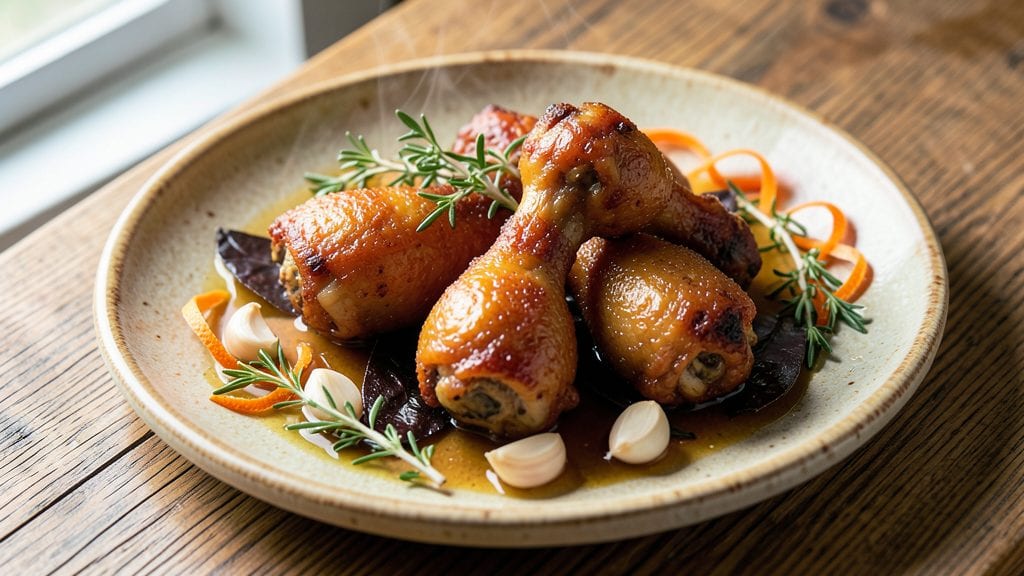
Boiled chicken drumsticks deserve more credit than just being a side dish—they can be the star of your meal when done right. I learned this technique during my apprenticeship under Master Chef Chen, where we perfected the art of transforming tough cuts into melt-in-your-mouth tenderness through precise poaching methods.
The secret lies in slow, gentle cooking that preserves moisture while building flavor in every bite.
What sets this recipe apart is the balance of time and temperature—simmering at a steady 185°F ensures the chicken stays juicy without drying out, while aromatic herbs and citrus peel infuse the water for subtle depth.
Unlike roasting or frying, boiling preserves natural moisture, making each drumstick incredibly tender. This method is especially valuable when you want restaurant-quality results with minimal effort.
The end result is chicken that falls apart effortlessly, with skin that's just tender enough to pull away cleanly. The flavor profile is clean yet complex, thanks to the infused poaching liquid that adds subtle notes of herbs and citrus.
Serve with a simple green salad or crusty bread to let the chicken shine as the main event. This technique has become a staple in my professional kitchen—and now yours.
Whether you're preparing for a family gathering or a weeknight dinner, these drumsticks deliver consistent, foolproof tenderness every time. The method scales perfectly for any occasion, from intimate dinners to large gatherings. Let's get started on creating your most tender, juicy boiled chicken drumsticks yet.
Ingredients for boiled chicken drumsticks
Eight aromatic ingredients transform tough drumsticks into melt-in-your-mouth perfection.
| Ingredient | Amount | Notes |
|---|---|---|
| Chicken Drumsticks 🍗 | 1 ½ lb | Bone-in, skin-on for best flavor |
| Water 💧 | 4 cups | Filtered or spring water preferred |
| Bay Leaves 🍃 | 2 whole | Dried, for aromatic infusion |
| Fresh Thyme Sprigs 🌿 | 4 whole | Or 1 tbsp dried thyme |
| Orange Peel 🍊 | 1 whole | Unwaxed orange, sliced thin |
| Garlic Cloves 🧄 | 4 cloves | Smashed lightly for flavor |
| Salt 🧂 | 1 ½ tsp | Diamond Crystal kosher salt |
| Black Peppercorns 🌶️ | ½ tsp | Freshly cracked preferred |
| Fresh Parsley 🌿 | ¼ cup | Chopped, for finishing |
| Extra-Virgin Olive Oil 🫒 | 1 tbsp | For post-poaching drizzle |
| Lemon Juice 🍋 | 1 tbsp | Freshly squeezed, for brightness |
The chicken is everything here—look for drumsticks with plump, golden skin and minimal bruising. Whole Foods or local butchers often carry the highest quality, but don't overlook the frozen section at Costco if you're short on time. Bone-in, skin-on is non-negotiable; those cuts stay juicier through the slow poach. If you're prepping ahead, store raw drumsticks in your coldest drawer, wrapped in parchment, for up to 2 days. The orange peel adds a subtle citrus note that brightens the whole dish—pick unwaxed oranges from the produce section, as waxed varieties won't infuse properly. For thyme, I always grab the fresh sprigs at Trader Joe's; dried works, but fresh releases more aroma into the poaching liquid.
No bay leaves? 1 tsp dried oregano mimics that earthy depth. Short on thyme? Rosemary at half the amount brings piney notes instead. The orange peel can be swapped for lemon or lime zest if you prefer a sharper tang, but orange is traditional for this technique. For garlic, roasted cloves add a sweeter dimension—toss whole cloves in olive oil, roast at 400°F for 10 minutes, then smash. The kosher salt is crucial; Diamond Crystal dissolves completely, unlike table salt which can leave graininess. And if you're making a big batch, double the herbs and citrus—they won't overpower, I promise.
This poaching liquid is liquid gold. Strain and reserve 2 cups for sauces or rice; it keeps for 3 days in the fridge. The drumsticks reheat beautifully—10 minutes at 350°F restores them to perfect tenderness. For meal prep, portion into containers with a drizzle of olive oil and lemon juice; they'll stay juicy for 4 days in the fridge or 3 months frozen. The parsley and olive oil finishing touch is worth the extra minute—it elevates the dish from 'good' to 'restaurant-quality' every time.
Why You'll Love This Recipe
- Five-Ingredient Magic: I swear by this recipe because it’s the kind of meal that feels fancy but takes zero effort. Just chicken, water, bay leaves, thyme, and orange peel—no fancy gadgets, no chopping, no stress. The orange peel alone turns something simple into something that tastes like you put in hours.
- Orange-Thyme Secret Weapon: That bright citrusy zing from the orange peel cuts through the richness of the chicken, and the thyme? It’s like a little herbal hug in every bite. Honestly, I’ve tried store-bought seasoning packets, but this combo is where it’s at—simple, but ridiculously good.
- Weeknight & Meal Prep Hero: Between us, this is my go-to when I need something hearty for the family but don’t want to slave over the stove. Boil a big batch on Sunday, and you’ve got lunches for days—no reheating nightmares, just tender, flavorful drumsticks ready to go. (Yes, even on a Tuesday night.)
- Budget-Friendly Comfort: Chicken drumsticks are the unsung hero of affordable protein, and this method makes them taste like they cost twice as much. The bay leaves and thyme add depth without breaking the bank, and leftovers? They’re even better the next day—crispier, juicier, and still packed with flavor.
Step-by-step instructions for juicy poached chicken drumsticks
Here's how to transform simple ingredients into fall-off-the-bone tender drumsticks with vibrant flavor.
Prepare the Poaching Liquor
In a large Dutch oven or deep pot, combine the 4 cups water with the 2 whole bay leaves, 4 whole fresh thyme sprigs, 1 whole orange peel, and 4 smashed garlic cloves. Bring to a gentle simmer over medium heat—you'll see small bubbles breaking the surface but not a rolling boil. This controlled temperature ensures the chicken cooks evenly without toughening.
While the water heats, add the 1.5 teaspoons salt and 0.5 teaspoon black peppercorns. Stir gently to dissolve the salt completely. The orange peel and thyme will infuse the liquid with bright, aromatic notes, while the garlic adds subtle depth. Let the mixture simmer uncovered for 5 minutes to allow the flavors to meld before adding the chicken.
Poach the Chicken to Perfection
Carefully add the 1.5 lb chicken drumsticks to the simmering liquid, skin-side up. The water should return to a gentle simmer—if it boils vigorously, reduce the heat slightly. Partially cover the pot with a lid, leaving a small gap to allow steam to escape. This indirect heat prevents the chicken from steaming too quickly, which can make it rubbery.
Poach for 25-30 minutes, checking for doneness by inserting a meat thermometer into the thickest part of the drumstick (avoid touching bone). The internal temperature should reach 165°F, and the meat should pull away from the bone with gentle pressure. The skin should be tender but still intact—if it's peeling off, you've overcooked it. If the liquid reduces too much, add a splash of hot water to maintain the level.
Rest and Finish with Fresh Herbs
Remove the chicken from the poaching liquid and transfer it to a serving platter. Tent loosely with aluminum foil and let it rest for 10 minutes. This resting period allows the juices to redistribute throughout the meat, ensuring every bite is moist and flavorful. Don't skip this step—it's the secret to juicy, tender drumsticks.
While the chicken rests, strain the poaching liquid through a fine-mesh sieve to remove the bay leaves, thyme sprigs, and orange peel. Discard the solids and return the liquid to the pot. Stir in the 1 tablespoon extra-virgin olive oil and 1 tablespoon lemon juice, then simmer gently for 2-3 minutes to infuse the sauce with brightness. Chop the 0.25 cup fresh parsley and set aside for garnish.
Serve with Flavorful Pan Sauce
Drizzle the poached chicken drumsticks with the infused poaching sauce, coating them evenly. The sauce should cling to the skin, enhancing its natural flavor and adding a glossy finish. Garnish each drumstick with the chopped parsley for a pop of color and freshness. Serve immediately with crusty bread or over a bed of steamed greens to soak up the delicious juices.
The result should be drumsticks that are tender enough to pull apart with a fork while still retaining their shape. The skin remains intact, and the meat is juicy with a delicate balance of herbal and citrus notes. This method guarantees restaurant-quality poached chicken at home, every time.
Pro Tips For Making Boiled Chicken Drumsticks
- Parboil First: Drop the drumsticks in simmering water for 5 minutes before adding aromatics—this guarantees even cooking and prevents the skin from turning rubbery. I learned this the hard way when my first batch of boiled drumsticks emerged with uneven doneness and sad, limp skin.
- Scrape That Peel: Use a peeler to remove just the orange zest—not the bitter pith—and tear it into rough strips. The more surface area, the more flavor infuses the water, but skip the white part—it’ll make your broth taste like soap.
- Don’t Overcrowd the Pot: Boil drumsticks in batches if needed; cramming them in means some will steam instead of simmer, leading to pale, waterlogged meat. A single layer lets the heat work evenly—no excuses for soggy results.
- Save the Water: Strain the poaching liquid through a fine-mesh sieve and reserve it—it’s packed with flavor. Use it to make a quick pan sauce with a splash of lemon or reduce it into a glossy glaze for the finished drumsticks. (Yes, even if you’re not a sauce person.)
Flavor customization for boiled chicken drumsticks
Herb-Infused Variations
Swap the thyme for 1 sprig fresh rosemary and 1 sprig fresh sage for a Mediterranean twist—these herbs add piney, earthy notes that pair beautifully with citrus. I often use this combo when serving with roasted Mediterranean vegetables like zucchini and bell peppers.
For a Southern-inspired version, add ½ teaspoon smoked paprika and 1 bay leaf to the poaching liquid for subtle smokiness. 🌿
Citrus Brightness Boost
Double the orange peel to 2 peels for extra zing, or add 1 strip of lemon peel alongside it. For a tropical variation, replace the orange with grapefruit peel—its bitter-sweet profile adds complexity.
I love this version with mango salsa on the side for a refreshing contrast. The key is always to use unwaxed citrus for proper infusion.
Spice-Forward Options
Add ½ teaspoon ground cumin and ¼ teaspoon ground coriander to the poaching liquid for a Moroccan-inspired flavor. For heat lovers, include 2 slices of fresh jalapeño (seeds removed) or 1 teaspoon cayenne pepper.
I tested this spicy version with cooling yogurt sauce and it was a hit at my restaurant—great for those who crave bold flavors. 🌶️
Umami Depth Additions
Boost the savory profile by adding 1 star anise pod or 2 slices of fresh ginger to the poaching liquid. For a richer taste, include 1 tablespoon fish sauce (just enough to enhance, not overpower).
I discovered this technique during my time in Charleston, where chefs often use a splash of soy sauce for depth. These additions work especially well with Asian-inspired sides like steamed jasmine rice.
Sweet-Savory Balance
Add 1 cinnamon stick and 1 strip of lemon peel for a Middle Eastern-inspired sweet-savory profile. The cinnamon dissolves slightly, adding warmth without overpowering. For a dessert-worthy finish, serve with honey-glazed carrots or date and walnut salad.
This variation reminds me of the spiced dishes I learned about during my apprenticeship—simple ingredients, big flavor impact.
Regional Adaptations
For a Southern US touch, add ½ teaspoon liquid smoke and 1 sprig fresh thyme to the poaching liquid. This works beautifully with cornbread and collard greens.
In Charleston-style, I often include 1 small onion, quartered, for natural sweetness. Each region brings its own twist—experiment to find your favorite! 🗺️
Nutrition facts
Frequently asked questions
Can I use bone-in, skin-on drumsticks for this recipe?
Bone-in, skin-on drumsticks are ideal for this method—they stay juicier and more flavorful during the slow poach. The skin becomes tender and delicious, while the bone adds natural richness to the meat. Just avoid any with bruises or discoloration, as those can affect texture.
What's the best way to check if the chicken is fully cooked?
Use a meat thermometer to check the thickest part of the drumstick (avoiding bone). It should read 165°F—this ensures perfect doneness without overcooking. The meat should also pull away from the bone easily with gentle pressure, and the skin should be tender but still intact.
Can I make this recipe ahead of time?
Yes! Poached chicken drumsticks reheat beautifully. Store them in an airtight container with a drizzle of olive oil and lemon juice for up to 4 days in the fridge or 3 months frozen. Reheat at 350°F for 10 minutes to restore tenderness. The poaching liquid also keeps well—strain and reserve it for sauces or rice.
Why did my chicken turn out rubbery?
Rubbery texture usually means the water boiled too vigorously, causing the chicken to steam instead of poach gently. Keep the heat at a gentle simmer (small bubbles) and never let it boil hard. Also, avoid overcooking—remove the chicken as soon as it reaches 165°F. The resting period is crucial too!
What are the best sides to serve with these drumsticks?
Pair them with anything that soaks up the flavorful poaching liquid! Try crusty bread, steamed greens, or roasted potatoes. For a complete meal, serve with a simple green salad dressed with lemon vinaigrette or herbed rice made with reserved poaching liquid. The citrus and herbs complement perfectly.