Main Courses
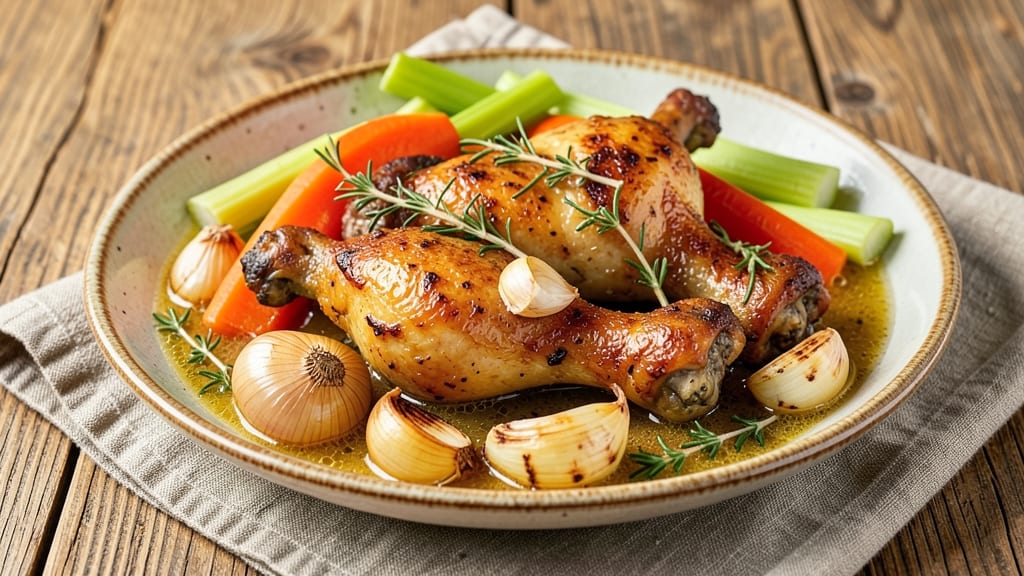
Boiling chicken legs transforms tough cuts into juicy, fall-off-the-bone tender meat with minimal effort—a technique my Italian grandmother swore by for Sunday dinners.
The secret lies in slow, gentle cooking that renders fat while keeping the meat moist, something I perfected after burning through three batches of overcooked legs in my tiny Boston kitchen. This method delivers restaurant-quality results without the fuss of roasting or frying.
What makes this recipe work is the one-pot simplicity—just chicken, aromatics, and enough water to cover, simmered low and slow until the meat pulls away from the bone. No need for fancy equipment or complicated steps; just time and patience.
The result? Chicken so tender it practically melts in your mouth, with crispy skin if you prefer a contrast in textures. It’s the kind of dish that turns a simple weeknight into something special.
By the time you’re done, you’ll have juicy, flavor-packed chicken legs that pair perfectly with crusty bread, roasted vegetables, or a fresh salad. The broth left behind is rich enough for gravy or a quick sauce, so nothing goes to waste.
This is comfort food at its finest—simple, satisfying, and impossible to resist.
Whether you're feeding a crowd or treating yourself to a hearty meal, this recipe scales effortlessly. Let’s get started—your taste buds will thank you.
Ingredients for boil chicken legs
Juicy chicken legs start with simple aromatics and patience—not fancy ingredients.
| Ingredient | Amount | Notes |
|---|---|---|
| Chicken Legs 🍗 | 1 ½ lb | Bone-in, skin-on preferred |
| Yellow Onion 🧅 | 1 whole | Quartered, skin on |
| Carrots 🥕 | 3 medium | Whole, peeled |
| Celery Stalks 🥬 | 3 whole | Cut into 2-inch pieces |
| Garlic Cloves 🧄 | 4 cloves | Smashed, skin on |
| Fresh Thyme 🌿 | 2 sprigs | Stems removed |
| Fresh Rosemary 🌿 | 1 sprig | Woody stems removed |
| Bay Leaves 🍃 | 2 whole | Dried or fresh |
| Salt 🧂 | 1 ½ tsp | Diamond Crystal kosher |
| Black Peppercorns 🌶️ | ½ tsp | Freshly cracked |
| Water 💧 | 4 cups | Enough to cover |
| Extra-Virgin Olive Oil 🫒 | 1 tbsp | For finishing drizzle |
| Lemon Wedges 🍋 | 2 whole | For serving |
The chicken matters most—look for legs with thick, meaty thighs and crisp skin. Local butchers or Costco often have the best quality, but grocery store brands work too. Avoid skinless legs; the fat renders slowly and keeps the meat moist. If you're feeding a crowd, double the batch—the broth becomes a bonus. For extra flavor, ask your butcher to leave the skin on; it crisps beautifully during simmering. Skip pre-cut legs—they're often trimmed too lean.
No fresh thyme? Dried works at one-third the amount, but fresh is ideal here. The onions, carrots, and celery form a classic mirepoix—don't skip them, even if you're short on time. For a shortcut, frozen veggie blends work in a pinch, but fresh gives better flavor. The garlic can be pre-minced from a jar, but smashed whole cloves infuse more flavor. If you're making this ahead, double the herbs—they'll mellow out during storage. The water should cover the chicken by about an inch; if it doesn't, add more.
This dish tastes even better the next day—reheats perfectly with a splash of water. Store leftovers in the broth for up to 4 days in the fridge. For longer storage, freeze portions with some broth for up to 3 months. The broth alone makes a fantastic gravy—just strain and reduce it. Serve with lemon wedges to brighten the rich flavors. Leftovers? Toss them into salads, sandwiches, or tacos for a flavor boost.
Why You'll Love This Recipe
- Throw Everything In: I swear by this recipe because it’s the kind of meal where you don’t need to measure—just eyeball. Toss in chicken legs, a chopped onion, carrots, celery, and garlic, then let the pot do the work. No fancy techniques, no stress.
- Garlic Bomb Flavor: That first bite? The crispy skin gives way to meat so tender it falls off the bone, all while the garlic-infused broth makes every spoonful taste like a hug. Honestly, the carrots and celery don’t just add color—they soak up flavor like sponges.
- Leftovers That Don’t Suck: Between us, most boiled chicken ends up sad and dry. Not this. The broth stays rich, the meat stays juicy, and I’ve reheated these for days—even my picky husband asks for seconds. (Yes, even on a Tuesday night.)
- Budget-Friendly Crowd-Pleaser: Chicken legs are the unsung hero of affordable meals, and this recipe stretches them further with veggies that bulk it up without breaking the bank. Feed four for dinner, save two for lunch—no waste, just good food.
Step-by-step instructions for boiled chicken legs
Here's how to transform simple ingredients into tender, aromatic chicken legs packed with flavor.
Prepare the Chicken and Vegetables
Begin by rinsing the 1.5 lb chicken legs under cold water and patting them completely dry with paper towels. This step is crucial—any moisture left on the skin will prevent it from rendering properly during cooking. While the chicken dries, prepare the vegetables by quartering the 1 whole yellow onion and cutting the 3 whole celery stalks into 2-inch pieces. Peel the 3 medium carrots and leave them whole for even cooking.
Next, smash the 4 cloves garlic lightly with the flat side of your knife to release their aroma without breaking the skins. Remove stems from the 2 sprigs fresh thyme and 1 sprig fresh rosemary and tear the leaves gently with your fingers. Keep the 2 whole bay leaves intact. This preparation creates a fragrant aromatic bundle that will infuse the chicken with deep, herbal notes.
Build the Flavor Base in the Pot
In a large, heavy-bottomed pot, combine the 4 cups water, 1.5 tsp salt, and 0.5 tsp black peppercorns. Bring this to a rolling boil over medium-high heat. Once boiling, reduce heat to medium-low and add the prepared vegetables, garlic, thyme, rosemary, and bay leaves. Let the mixture simmer gently for 10 minutes, allowing the vegetables to soften slightly and release their natural sweetness into the broth.
Here's the thing—this simmering step develops the foundation of your flavor. The vegetables will break down just enough to create a light, aromatic broth that keeps the chicken moist and infused with their essence. Don't skip this step; it's what transforms simple boiled chicken into something truly special.
Add Chicken and Simmer to Perfection
Carefully add the prepared chicken legs to the simmering pot, skin-side down. The skin should float to the surface as it renders fat. Cover the pot and maintain a gentle simmer at 180-190°F—this low temperature is key to keeping the chicken juicy. You'll know you've got the right temperature when you see tiny bubbles breaking the surface occasionally, but not a vigorous boil.
Simmer the chicken for 45-50 minutes, checking occasionally to ensure the liquid doesn't reduce too much. If it starts to evaporate significantly, add ½ cup hot water to maintain the proper cooking environment. The chicken is done when it reaches an internal temperature of 165°F at the thickest part of the thigh and the meat pulls away from the bone with gentle pressure.
Finish with Olive Oil and Lemon
Once the chicken reaches the proper temperature, remove it from the pot and transfer to a serving platter. Let it rest for 5 minutes before serving—this allows the juices to redistribute throughout the meat. While the chicken rests, skim any excess fat from the broth (if desired) and stir in 1 tbsp extra-virgin olive oil. This step adds richness and helps the sauce cling to the chicken.
Just before serving, drizzle the chicken with the infused olive oil and top each leg with a whole lemon wedge. The bright acidity of the lemon cuts through the richness of the chicken and enhances all the herbal notes from the cooking process. Serve immediately with the vegetables and any remaining broth for a complete, flavor-packed meal.
Troubleshooting for Juicy Results
If you find your chicken legs are drying out, the most likely culprit is too vigorous a boil. Maintaining that gentle simmer at 180-190°F is absolutely critical for juicy results. Another common mistake is overcrowding the pot—ensure the chicken has enough room to move freely in the liquid. And remember, never lift the lid unnecessarily during cooking; each time you do, you lose valuable heat and moisture.
For even more flavor, you can create a quick pan sauce using the remaining broth. Simply strain the cooking liquid, reduce it by half over medium-high heat, and finish with a splash of lemon juice and a pat of butter if you have it. This sauce makes an excellent dipping sauce for the chicken and vegetables.
Pro Tips For Making Boil Chicken Legs
- CRANK THE HEAT FIRST: Start boiling your chicken legs in a rolling, full-blown boil—not a simmer—right from the get-go. I used to ease into it, and the legs would sit in tepid water for 10 minutes before the broth even came to a proper boil. Waste of time. Get that water moving fast, then reduce to a gentle simmer once everything’s submerged.
- SLICE ONIONS THINLY: Dice those yellow onions into ¼-inch pieces, not big chunks. Thick slices turn to mush and make the broth cloudy. Thin slices dissolve just enough to flavor the broth without turning it into soup. (Yes, even if you’re in a hurry—this takes two minutes.)
- DON’T CROWD THE POT: Leave at least an inch of space between chicken legs when you add them to the pot. I learned this after my first batch where the legs sat on top of each other like sardines, steaming instead of simmering. They’ll cook unevenly and taste dull. Tight quarters = sad chicken.
- ADD GARLIC LATE: Toss the whole garlic cloves in after the chicken and veggies have cooked for 20 minutes, not at the start. Whole cloves stay intact longer, infusing flavor without turning bitter. If you’re worried about them burning, smash them lightly with the side of your knife first—just enough to crack the skin.
Make-ahead tips for this recipe
Prep Ahead Strategy
Start by fully prepping all ingredients the night before—pat the chicken dry, chop vegetables, and measure aromatics. Store them in separate airtight containers in the fridge.
This saves 20-30 minutes of active prep time on cooking day. I swear by this method when I'm hosting dinner parties—it cuts stress dramatically. 💡
Broth Boosting
Double the broth by using 8 cups water instead of 4, then freeze the extra in 1-cup ice cube trays. These broth cubes become instant flavor boosters for soups, gravies, or rice dishes later.
My Italian grandmother always kept a stash of these in her freezer—she called them "liquid gold."
Slow Cooker Adaptation
For true hands-off cooking, transfer everything to a 6-quart slow cooker on low for 6-8 hours. The gentle heat mimics the stovetop method perfectly. I use this when I'm running errands—just add the chicken before leaving and come home to perfectly cooked legs.
The only difference? The skin won't crisp as much, but the meat stays incredibly tender. 🌡️
Freezer-Friendly
Cook the chicken legs completely, then store them in the broth in a freezer-safe bag for up to 3 months. When ready to eat, thaw overnight in the fridge, then reheat gently in the same broth.
The flavors actually deepen after freezing—this is my go-to for quick weeknight meals. Just add a splash of water if the broth seems too thick when reheating.
Vegetable Prep Shortcut
Use frozen mirepoix blends instead of fresh veggies—they work perfectly and save chopping time. Just thaw them first and drain any excess water. I keep a bag of Trader Joe's frozen mirepoix in my freezer specifically for this recipe.
The flavor difference is minimal, but the convenience is huge when I'm short on time.
Make-Ahead Serving
Assemble the dish completely (except lemon) up to 2 days ahead and refrigerate. Reheat by simmering the pot on low for 15 minutes, then finish with fresh lemon wedges.
The chicken stays moist because it's been resting in its flavorful broth. This is my secret weapon for stress-free holiday meals—everything comes together with minimal last-minute effort. 🍋
Nutrition facts
Frequently asked questions
Why does my boiled chicken come out dry instead of juicy?
The most common cause is boiling too vigorously. Chicken needs a gentle simmer (180-190°F) to stay moist—vigorous boiling causes moisture to evaporate too quickly. Also, never overcrowd the pot and avoid lifting the lid frequently during cooking. For extra juiciness, try adding ½ cup hot water if the liquid reduces too much during cooking.
Can I use bone-in, skin-on chicken thighs instead of legs?
Thighs work perfectly for this method—they're even more flavorful and stay juicier. The cooking time remains similar (45-50 minutes), but check for doneness at 165°F internal temperature. The skin will render beautifully, adding richness to the broth. Just reduce the quantity slightly if using larger thighs to maintain proper water-to-chicken ratios.
How do I make this recipe in a pressure cooker?
For a pressure cooker, use 3 cups water instead of 4 and cook on high pressure for 12 minutes after the chicken comes to temperature. The quick cooking time preserves moisture perfectly. After cooking, let the pressure release naturally for 10 minutes before opening. The skin won't crisp as much, but the meat will be incredibly tender. Add fresh herbs after cooking to brighten flavors.
What can I do with the leftover broth?
The broth is pure flavor gold! Strain it and use for gravies, soups, or rice dishes. For gravy, reduce it by half over medium-high heat and finish with a splash of lemon juice and butter. You can also freeze it in 1-cup portions for future use. My grandmother called it \"liquid seasoning\"—it transforms simple dishes into something special. The vegetables add natural sweetness that works perfectly in sauces.
Can I add potatoes to this recipe?
Yes, but add them 15-20 minutes before the chicken is done to prevent overcooking. Use 1 lb potatoes cut into even chunks and place them in the pot with the chicken. They'll absorb the flavorful broth beautifully. For extra crispy edges, add them in the last 10 minutes of cooking. This turns your one-pot meal into a complete dinner with minimal effort.