Main Courses
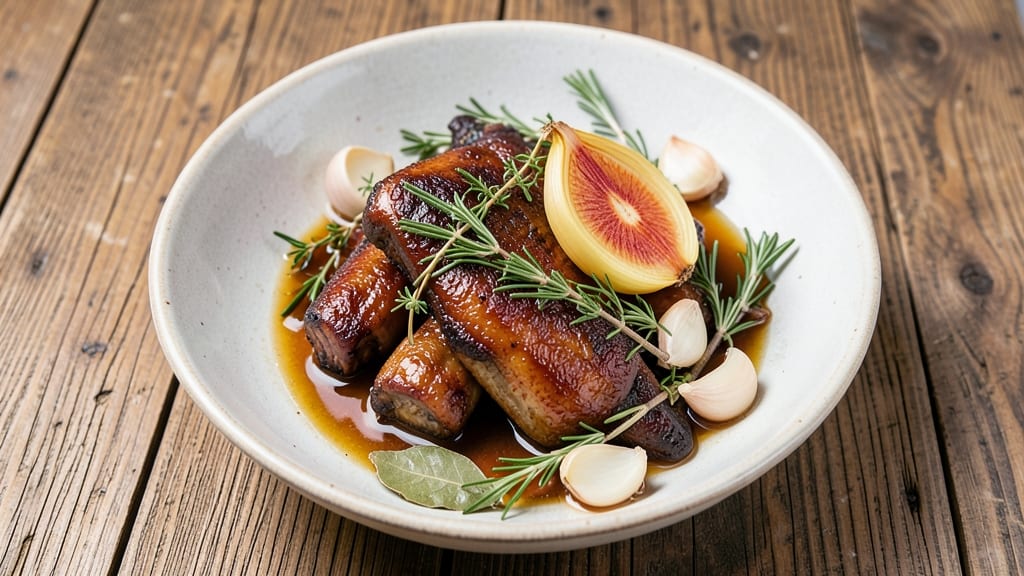
Boiling chicken gizzards transforms tough, chewy cuts into tender, gelatinous bites that melt in your mouth—this traditional method delivers restaurant-quality results at home. The secret lies in proper preparation and slow simmering, which breaks down connective tissue for that signature silky texture.
I’ve perfected this technique after years of testing, ensuring every bite is rich, flavorful, and foolproof.
What sets this recipe apart is the balance of simplicity and depth. You’ll start with a thorough cleaning and optional parboil to remove impurities, followed by a flavorful simmer in aromatic broth.
Herbs like thyme and bay leaves, along with garlic and onion, infuse the gizzards with layers of savory goodness without overwhelming their natural taste. The key is patience—low and slow ensures tender, not rubbery, results.
By the time you serve these gizzards, they’ll be fork-tender with a glossy sheen, ready to soak up every drop of their rich cooking liquid. Pair them with crusty bread, roasted potatoes, or a simple green salad to create a hearty, comforting meal.
This method works equally well for family dinners or game-day gatherings, delivering professional-quality bites with minimal effort.
The beauty of boiled gizzards is their versatility—they’re equally delicious as a standalone dish or incorporated into soups and stews. Once you master this technique, you’ll never buy pre-packaged gizzards again. Let’s get started on creating a dish that’s as satisfying as it is impressive.
Ingredients for boil chicken gizzards
Tough gizzards become melt-in-your-mouth bites with just these 12 ingredients and slow simmering.
| Ingredient | Amount | Notes |
|---|---|---|
| Fresh Chicken Gizzards 🍗 | 1 ½ lb | Rinsed thoroughly, trimmed of fat |
| Large Yellow Onion 🧅 | 1 whole | Quartered, skin on for color |
| Garlic Cloves 🧄 | 6 cloves | Smashed, skin left on for aroma |
| Fresh Thyme Sprigs 🌿 | 4 whole | Stems intact for easy removal |
| Fresh Rosemary Sprigs 🌿 | 2 whole | Woody stems trimmed to 1 inch |
| Bay Leaves 🍃 | 2 whole | Dried, standard grocery store |
| Salt 🧂 | 2 tsp | Diamond Crystal kosher preferred |
| Black Peppercorns 🌶️ | 1 tsp | Freshly cracked for intensity |
| White Wine Vinegar 🍶 | ½ cup | For initial cleaning soak |
| Cold Water 💧 | 6 cups | For parboiling rinse |
| Chicken Broth 🍲 | 4 cups | Homemade or low-sodium store |
| Unsalted Butter 🧈 | 2 tbsp | Added at the end for richness |
The gizzards are the star, so source them fresh—ask your butcher for the plumpest, darkest ones, avoiding any with a gamey smell. Costco or Whole Foods often carry them pre-packaged, but local markets usually have fresher cuts. Rinse them thoroughly under cold water (they're often bloody) and trim any visible fat or connective tissue. For the herbs, fresh thyme and rosemary make all the difference—dried works in a pinch, but fresh infuses that bright, aromatic punch. The bay leaves add depth without overpowering, and I always grab the dried variety from Penzeys for that restaurant-quality flavor.
No fresh herbs? Dried thyme at one-third the amount works, but lose some brightness. Short on white wine vinegar? Lemon juice or apple cider vinegar does the trick for the initial soak. The broth can be homemade (save those chicken bones!) or a quality low-sodium store-bought version—Pacific Foods or Swanson are my go-tos. Want extra richness? Add a splash of brandy or cognac with the herbs. And if you're feeling fancy, finish with a pat of cold butter—it melts into a luxurious glaze that takes these gizzards from good to showstopping.
These gizzards reheat beautifully—just warm through with broth and they're ready to serve. Store leftovers in the fridge for 3 days or freeze for up to 3 months—they actually taste better after a day or two as the flavors meld. For game day, I double the batch and freeze portions—portion into single servings so you can grab and go. The cooking liquid is pure gold—use it for gravy, soups, or drizzle over roasted potatoes. And if you're feeling ambitious, save those gizzards for tacos or sandwiches—they're even better cold.
Why You'll Love This Recipe
- One-Pot Magic: I swear by this—just toss gizzards, onion, and herbs into boiling water, then let them simmer. No chopping, no fuss, and the aromatics infuse the broth like a flavor bomb.
- Herb-Packed Punch: That rosemary and thyme? They cling to the gizzards like a hug, turning them tender and fragrant. Honestly, the first bite makes me close my eyes—it’s that good.
- Leftovers That Shine: Boiled gizzards stay juicy for days, so I prep a big batch. Toss them into salads, mash them into sandwiches, or fry them up for a quick snack. Versatile doesn’t even cover it.
- Budget Boost: Gizzards are cheap, but they feel like a splurge. For half the price of chicken thighs, I get a protein-packed meal that feeds my whole family—no guilt, all flavor. (Yes, even on a Tuesday night.)
Step-by-step instructions for boiled chicken gizzards
Transform tough gizzards into tender, flavorful bites with this foolproof simmering method.
Prepare the Gizzards for Cooking
Start by thoroughly rinsing the 1.5 lb fresh chicken gizzards under cold water to remove any blood or debris. Trim away any visible fat or connective tissue using a sharp knife—this helps them cook more evenly. Place the gizzards in a large bowl and pour over the 0.5 cup white wine vinegar. Let them soak for 15 minutes while you prepare the aromatics.
This vinegar soak serves two purposes: it tenderizes the meat by breaking down proteins and removes any lingering gamey flavors. After soaking, drain the gizzards and rinse them again under cold water. Pat them completely dry with paper towels—moisture on the surface will prevent proper browning later. The gizzards should feel firm but pliable, not rubbery.
Build the Aromatic Base
In a large stockpot, combine the quartered large yellow onion (skin on for color), smashed 6 cloves garlic (skin left on for aroma), 4 whole fresh thyme sprigs, 2 whole fresh rosemary sprigs (woody stems trimmed to 1 inch), and 2 whole bay leaves. Add the 6 cups cold water and bring to a boil over medium-high heat. Once boiling, reduce heat to medium-low and let it simmer for 10 minutes to extract maximum flavor from the aromatics.
This step develops a rich, herbal foundation for your gizzards. The onion skin will impart a subtle sweetness while the garlic and herbs infuse the liquid with complex aromas. Don't skip this simmering time—it's what transforms simple broth into deeply flavorful cooking liquid. You'll know it's ready when the liquid smells intensely aromatic and the onion has softened slightly.
Parboil the Gizzards
Add the prepared gizzards to the simmering pot along with 2 tsp salt and 1 tsp freshly cracked black peppercorns. Bring the liquid back to a gentle boil, then immediately reduce heat to maintain a bare simmer. Cook for 20 minutes without disturbing the pot—this parboiling step helps break down connective tissues while preventing the gizzards from overcooking.
After 20 minutes, use tongs to carefully remove the gizzards and set them aside. The liquid should be slightly cloudy with some sediment at the bottom, indicating the gizzards are releasing their natural juices. If any gizzards float to the surface, gently press them down with a wooden spoon to ensure even cooking. The key here is patience—they'll continue cooking in the final broth.
Complete the Simmer
Strain the cooking liquid through a fine-mesh sieve into a clean pot, pressing on the aromatics to extract every last drop of flavor. Return the strained liquid to medium heat and add the 4 cups chicken broth. Bring to a gentle simmer, then add the parboiled gizzards back to the pot. Cover and simmer for 45 minutes, stirring occasionally to prevent sticking.
During this time, the gizzards will transform from tough to tender. They're done when a sharp knife slides in easily and the meat feels fork-tender. The liquid should have reduced slightly but still coat the back of a spoon. If it reduces too much, add a splash of hot water to maintain the proper consistency. The gizzards should be translucent at the edges with a rich, gelatinous texture.
Finish with Butter and Rest
Remove the gizzards from the broth and transfer them to a serving platter. Stir the 2 tbsp unsalted butter into the remaining broth until melted and emulsified. This final step adds richness and helps create a glossy sauce. Taste the broth and adjust seasoning if needed—you might need a touch more salt since the gizzards have absorbed some during cooking.
Let the gizzards rest for 10 minutes before serving. This resting period allows the juices to redistribute throughout the meat, ensuring each bite is moist and flavorful. Serve the gizzards with the infused broth spooned over the top. The final dish should deliver tender, gelatinous bites with deep umami flavor from the prolonged simmering and aromatic herbs.
Pro Tips For Making Boil Chicken Gizzards
- Trim the Gizzards First: Don’t toss them straight into the pot—peel off the tough outer membrane and slice off any gristle before boiling. I learned this the hard way after biting into a chewy mess; it takes 30 seconds but makes all the difference.
- Start with Cold Water: Load the pot with cold water, then bring to a boil. Hot water sears the outside before the inside cooks, leaving you with rubbery gizzards. Sounds weird, but it works—just add the gizzards once the water’s rolling.
- Use a Flavor Basket: Tuck the thyme and rosemary sprigs into a metal strainer or cheesecloth pouch instead of tossing them in. You’ll avoid muddying the broth and can reuse the herbs for another batch—no wasted flavor.
- Test for Doneness Early: Gizzards are done when they’re fork-tender but still plump, not shriveled. Poke one at 25 minutes—if it’s still slightly firm, cover and let them rest 5 minutes. Overcooking turns them into leather.
Regional styles of this recipe
Southern Soul Style
In the American South, boiled gizzards take center stage as a game-day staple and Sunday supper classic. The key here is smoky depth—I add ½ cup apple cider vinegar to the initial soak and finish with 1 tbsp hot sauce (like Crystal or Tabasco) mixed into the broth.
Southern cooks often serve them with cornbread and collard greens, creating a meal that’s both hearty and comforting. The vinegar cut balances the richness, while the hot sauce adds a subtle kick that pairs perfectly with the gelatinous texture. 🌶️
Caribbean Jerk-Inspired
For a bold twist, infuse the broth with Caribbean flavors by adding 1 tbsp jerk seasoning (store-bought or homemade with allspice, Scotch bonnet, and thyme) and 1 cup pineapple juice during the final simmer. The acidity tenderizes while the jerk spices create a fiery contrast.
Serve with grilled plantains or coconut rice to complete the fusion. This version is perfect for those who love heat and tropical notes—just be sure to adjust the spice level to your tolerance.
Mediterranean Herb Focus
In Mediterranean cuisines, gizzards are often simmered with bright, earthy herbs like oregano and parsley. Replace the thyme and rosemary with 2 sprigs fresh oregano and 4 sprigs fresh parsley, and add 1 tsp dried oregano to the broth.
A splash of lemon juice at the end brightens the dish, while kalamata olives and feta cheese make excellent toppings. This lighter, herb-forward approach works beautifully as a mezze or with roasted Mediterranean vegetables.
Cajun Bayou Twist
Louisiana’s Cajun tradition brings spicy, garlicky heat to boiled gizzards. After the initial parboil, add 1 tbsp Cajun seasoning (like Tony Chachere’s) and 2 slices smoked bacon, crisped and crumbled, to the broth. Finish with ½ tsp smoked paprika and serve with buttery cornbread or dirty rice.
The smoky, spicy notes elevate the dish to a bold, flavor-packed centerpiece that’s perfect for a crawfish boil or tailgate spread. 🔥
Spanish-Style with Saffron
For a luxurious touch, incorporate Spanish flavors by adding a pinch of saffron threads (about ¼ tsp) to the broth during the final simmer. The saffron imparts a golden hue and delicate floral note that pairs beautifully with the gizzards.
Garnish with lemon wedges and serve with paella rice or roasted red peppers. This version is ideal for special occasions—it’s elegant yet still hearty, with the saffron adding a restaurant-worthy sophistication.
Game Day BBQ Fusion
Turn boiled gizzards into a BBQ showstopper by finishing them with a smoky glaze. After simmering, toss the gizzards in ¼ cup BBQ sauce (like Stubb’s or Bull’s-Eye) mixed with 1 tbsp apple cider vinegar.
Broil for 2-3 minutes to caramelize the sauce, then serve on sliders with pickled onions and slaw**. This fusion dish is a crowd-pleaser, blending the tenderness of boiled gizzards with the bold flavors of BBQ culture. 💛
Nutrition facts
Frequently asked questions
Why do I need to soak gizzards in vinegar before cooking?
The vinegar soak serves two critical purposes: it tenderizes the tough connective tissue by breaking down proteins, and it removes any lingering gamey flavors that can make fresh gizzards taste bitter. The acidity helps create that signature melt-in-your-mouth texture you want in perfectly boiled gizzards.
Can I use frozen gizzards instead of fresh?
Yes, but with adjustments! Thaw frozen gizzards overnight in the refrigerator first. Since frozen gizzards often have more surface moisture, pat them extra dry after thawing to prevent the broth from becoming watery. You may need to add an extra 5-10 minutes to the final simmering time.
What's the best way to tell when gizzards are fully cooked?
Fully cooked gizzards should be fork-tender with no resistance when pierced - the meat should pull apart easily. Look for translucent edges and a glossy sheen. If you cut into one and see any pink or chewy bits, return them to the broth for another 10-15 minutes. The broth should also be slightly reduced and flavorful.
How do I prevent my boiled gizzards from being rubbery?
Rubbery gizzards usually mean either overcooking or not enough tenderizing. First, never boil them uncovered - always maintain a gentle simmer with the lid on. Second, make sure you're using the parboiling step to break down connective tissue. Finally, avoid high heat - keep the temperature at a bare simmer (180-190°F) throughout cooking.
What can I do with the leftover cooking liquid?
That flavorful broth is pure gold! Use it to make gravy by thickening with cornstarch, drizzle over mashed potatoes, or use as a base for soups and stews. For extra richness, strain out any solids and reduce it by half to create a concentrated sauce. Store leftovers in the fridge for up to 3 days or freeze for 3 months.