
Main Courses
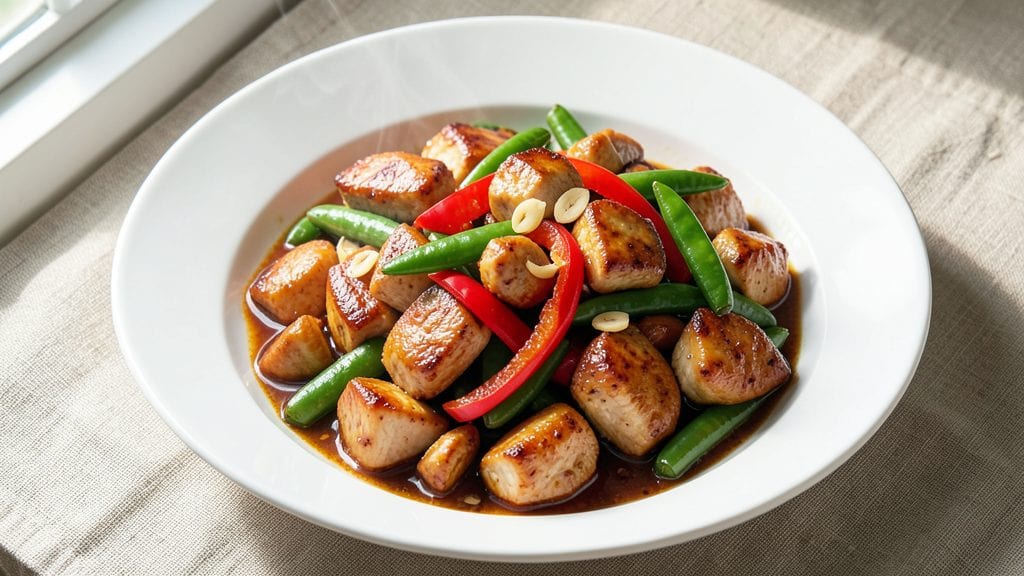
Betty Crocker’s chicken stir-fry recipe delivers restaurant-quality flavor in 20 minutes—the kind of weeknight dinner that feels like a celebration without the fuss. Growing up in small-town Georgia, I learned how simple ingredients could transform a meal, and this stir-fry proves that principle perfectly.
The velvety soy-ginger sauce cuts through the tender chicken and crisp vegetables, creating a balance that even picky eaters will love.
What makes this recipe stand out is its foolproof technique—no complicated steps, just precise timing and a well-balanced sauce. You’ll start with chicken cut into bite-sized pieces, marinated in a blend of soy sauce, ginger, and garlic, while the vegetables are prepped and ready to cook.
The stir-fry method ensures everything stays tender-crisp, and the sauce ties it all together with a smooth, aromatic finish.
By the time you’re done, you’ll have a dish that’s restaurant-quality at home—golden chicken, vibrant vegetables, and a sauce that’s rich but not overpowering.
It’s the kind of meal that comes together quickly but still feels special, perfect for busy weeknights or when you want to impress without spending hours in the kitchen.
Serve it over steamed rice or noodles for a complete meal, and don’t forget the garnish—sesame seeds or sliced green onions add a final touch of freshness.
This is the kind of recipe that becomes a family favorite, and once you try it, you’ll wonder why you didn’t make it sooner.
Ingredients for betty crocker chicken stir fry
Pantry staples plus a handful of fresh veggies. This stir-fry comes together faster than takeout.
| Ingredient | Amount | Notes |
|---|---|---|
| Boneless, Skinless Chicken Breast 🍗 | 1 ½ lb | Cut into 1-inch bite-sized pieces |
| Low-Sodium Soy Sauce 🍶 | ½ cup | For marinade and sauce |
| Fresh Ginger 🌿 | 2 tbsp | Finely grated (about 1-inch piece) |
| Garlic Cloves 🧄 | 4 cloves | Minced (about 1 tbsp minced) |
| Vegetable Oil 🫒 | 2 tbsp | High smoke point preferred |
| Bell Peppers 🌶️ | 1 ½ cups | Assorted colors, sliced (about 1 large pepper) |
| Broccoli Florets 🥦 | 2 cups | Cut into bite-sized pieces |
| Snap Peas 🌱 | 1 cup | Trimmed (fresh or frozen) |
| Honey 🍯 | 1 tbsp | For sauce sweetness |
| Cornstarch 🌾 | 1 tbsp | For sauce thickening |
| Sesame Seeds 🌰 | 1 tbsp | Toasted for garnish |
| Green Onions 🧅 | 2 whole | Sliced for garnish |
| White Rice 🍚 | 2 cups | Uncooked, for serving |
| Salt 🧂 | ½ tsp | Adjust to taste |
| Ground Black Pepper 🌶️ | ¼ tsp | Freshly ground |
The chicken is your foundation. Boneless, skinless breasts work best—they stay tender without drying out. Cut them into even pieces so they cook uniformly. Walmart or Kroger usually have pre-cut chicken for stir-fry, which saves time. If you’re using whole breasts, grab a sharp knife and slice against the grain for maximum tenderness. The soy sauce? Low-sodium is key—it keeps the dish from tasting too salty, especially if you’re serving picky eaters. I always grab a bottle of Kikkoman for this recipe; it’s reliable and affordable.
No fresh ginger? Substitute with 1 tbsp ground ginger, but it won’t have the same zing. Short on bell peppers? Zucchini or carrots work in a pinch—just adjust the cooking time since they soften faster. Frozen snap peas are a lifesaver when fresh ones aren’t in season. The honey in the sauce can be swapped for brown sugar or maple syrup if you’re avoiding it. And if you’re out of cornstarch, arrowroot powder does the same job. The rice? Jasmine or basmati holds up best to the stir-fry’s sauce—long-grain white rice works too, but it can get mushy.
Prep the sauce first so it’s ready to go. The stir-fry reheats beautifully—just add a splash of water or soy sauce to loosen it up. Store leftovers for 3-4 days in the fridge, or freeze portions for up to 3 months. I like to portion it into airtight containers with a little rice on top to keep everything fresh. For extra flavor, toss in a splash of the leftover sauce when reheating. And if you’ve got a little extra time, toast the sesame seeds in a dry pan for 30 seconds—they’ll taste so much better than store-bought.
Why You'll Love This Recipe
- One-Pan Magic: I swear by this recipe when I’m too tired to scrub pots—just toss the chicken, ginger, and garlic in one skillet, let the soy sauce work its magic, and boom. No extra dishes, no stress.
- Ginger-Garlic Kick: That fresh ginger and minced garlic? Oh, it’s good. The low-sodium soy sauce keeps it savory without overpowering, and the chicken stays juicy—crispy edges, tender inside. My husband steals seconds before I even finish plating.
- Lunchbox Hero: Between us, this is my go-to for meal prep. Cook a big batch on Sunday, and I’ve got flavorful leftovers all week. Pack it cold or reheat it fast—either way, it’s a hit with my kids (even the picky ones).
- Budget-Friendly Powerhouse: Chicken breast is affordable, and the rest of the ingredients? Pantry staples. I stretch this into four meals for under $15, and honestly, it’s one of those rare recipes where the taste doesn’t scream “cheap.”
Step-by-step instructions for Betty Crocker's chicken stir-fry recipe
Here's how to create a restaurant-worthy stir-fry with tender chicken and a velvety soy-ginger sauce.
Prepare the Chicken and Rice
Start by cutting the 1.5 lb boneless, skinless chicken breast into 1-inch bite-sized pieces. Place them in a bowl and set aside. In a separate pot, rinse the 2 cups white rice under cold water until the water runs clear, then drain well. Add the rice to a pot with 4 cups water, 0.5 teaspoon salt, and 0.25 teaspoon ground black pepper. Bring to a boil, then reduce heat to low, cover, and simmer for 15 minutes. Keep the rice warm while you prepare the stir-fry.
While the rice cooks, finely grate the 2 tablespoons fresh ginger and mince the 4 cloves garlic cloves together in a small bowl. Set these aside for the sauce. The rice should absorb all the water and be tender but still slightly firm—this ensures it won't turn mushy when mixed with the stir-fry.
Create the Sauce
In a small bowl, whisk together the 0.5 cup low-sodium soy sauce, 1 tablespoon honey, 1 tablespoon cornstarch, and the grated ginger and minced garlic. This mixture will create the velvety sauce that ties everything together. The cornstarch acts as a thickener, while the honey adds just the right amount of sweetness to balance the soy sauce's saltiness.
Set the sauce aside for now. You'll add it to the stir-fry at the end, but letting it sit for a few minutes before using ensures the cornstarch fully dissolves and the flavors meld together. If you rush this step, the sauce might clump or taste uneven.
Stir-Fry the Vegetables
Heat a large skillet or wok over medium-high heat and add the 2 tablespoons vegetable oil. Once the oil is shimmering, add the 1.5 cups sliced bell peppers and 2 cups broccoli florets. Stir-fry for 3-4 minutes until the vegetables begin to soften but still retain a crisp texture. Add the 1 cup trimmed snap peas and cook for another 2 minutes. You want the vegetables to stay vibrant and slightly crunchy—they'll finish cooking when combined with the chicken.
Remove the vegetables from the skillet and set them aside. The high heat ensures they cook quickly while keeping their bright colors and texture. If you overcrowd the pan, the vegetables will steam instead of sear, resulting in a soggy stir-fry.
Cook the Chicken
In the same skillet, add the 1-inch chicken pieces in a single layer. Cook for 4-5 minutes on each side, or until the chicken is golden brown and cooked through. The chicken should reach an internal temperature of 165°F—use a meat thermometer to check. If the chicken sticks to the pan, don’t force it; let it cook undisturbed for another minute before gently lifting it with a spatula.
Once the chicken is fully cooked, remove it from the skillet and set it aside with the vegetables. The residual heat in the pan will help keep everything warm while you finish the sauce. This step is crucial for ensuring the chicken is tender and fully cooked without drying out.
Combine and Finish
Return the skillet to medium heat and pour in the prepared sauce. Stir constantly for 2-3 minutes until the sauce thickens and coats the back of a spoon. Add the chicken and vegetables back to the skillet, tossing everything together to coat evenly in the sauce. Cook for another 1-2 minutes until everything is heated through and the sauce has fully thickened.
Garnish with 1 tablespoon toasted sesame seeds and 2 sliced green onions. Serve the stir-fry immediately over the cooked rice. The sauce should be glossy and cling to the chicken and vegetables, creating a perfect balance of savory, sweet, and umami flavors. Enjoy your homemade Betty Crocker-inspired stir-fry!
Pro Tips For Making Betty Crocker Chicken Stir Fry
- CUT CHICKEN SMALL: The recipe calls for boneless breasts, but I learned the hard way—thick slices stay chewy. Slice them into ½-inch chunks before cooking, or even better, pound them to an even ¼-inch thickness with a meat mallet. That’s the only way to guarantee they cook through without drying out.
- SALT THE CHICKEN FIRST: Skip the soy sauce until the very end, but do season the chicken with salt and pepper right after slicing. Let it sit for 10 minutes—this keeps the meat juicy and lets the seasoning penetrate. (Yes, even if you’re impatient like me.)
- HIGH HEAT THEN LOW: Start the stir-fry in a screaming-hot pan with oil until the chicken sears for 30 seconds, then drop the heat to medium. Too much heat too soon burns the garlic and ginger before the chicken cooks, and you end up with bitter, underdone meat.
- GRATE THE GINGER: The recipe might say “minced,” but grated ginger blends better and adds texture without clumping. Use the fine side of a box grater—about 1 tablespoon—and add it after the garlic sizzles but before the soy sauce. It mellows out the sharpness.
Common mistakes when making great betty crocker chicken stir fry
Overcrowding the Pan
This is the #1 mistake I see in home stir-fries—packing too much food into the pan at once. When you overcrowd, the vegetables steam instead of sear, turning mushy and losing their vibrant colors.
I’ve learned the hard way: a 12-inch skillet or wok should never hold more than ½ inch of food at a time. If you’re cooking for a crowd, work in batches.
Use a large nonstick or cast iron skillet—I swear by my Lodge cast iron—and cook the chicken first, then the vegetables in separate rounds. This keeps everything crisp-tender and full of flavor. 🔥
Skipping the Marinade
Many home cooks skip marinating the chicken, thinking it’s not necessary for a quick stir-fry. But that 10-minute marinade in soy sauce, ginger, and garlic makes all the difference. The acid in the soy sauce tenderizes the chicken, while the ginger and garlic infuse flavor.
I always marinate my chicken for at least 10 minutes—even if it’s just while I prep the vegetables. If you’re short on time, a quick 5-minute marinade still helps, but don’t skip it entirely.
Pro tip: Use Kikkoman low-sodium soy sauce for the best balance of flavor without overpowering the dish.
Ignoring Heat Control
Stir-frying requires precise heat control—too low, and your food steams; too high, and it burns. The pan should be smoking hot before adding oil, and you should see a wisp of smoke when the oil is ready. I crank my burner to medium-high heat and adjust as needed.
If your pan isn’t hot enough, the chicken will release moisture and steam instead of sear. A thermometer probe (like the ThermoWorks Smoke) helps—aim for 375-400°F in the pan. If your pan isn’t hot enough, give it an extra minute to heat up before adding food.
Undercooking the Chicken
Nothing ruins a stir-fry faster than dry, undercooked chicken. The key is to cook it just until it reaches 165°F internal temperature—any longer, and it turns rubbery.
I use a meat thermometer to check, but if you don’t have one, cut into the thickest piece: it should be opaque with no pink. A common mistake is overcrowding the pan, which causes the chicken to steam instead of sear.
Cook it in a single layer, and resist the urge to stir constantly—let it develop a golden crust for 2-3 minutes per side. Once it’s done, remove it immediately to prevent overcooking.
Rushing the Sauce
The sauce is the soul of your stir-fry, and rushing it is a surefire way to ruin it. The cornstarch needs time to fully dissolve and thicken properly. I always whisk the sauce in a small bowl and let it sit for 5 minutes before adding it to the pan.
If you pour it in too soon, it’ll clump and turn gluey. Heat the sauce over medium heat while stirring constantly—this ensures a smooth, glossy finish. If it thickens too quickly, add a splash of water or chicken broth to loosen it.
The goal is a sauce that coats the back of a spoon but isn’t pasty. 💡
Neglecting the Rest
After all that hard work, many people serve the stir-fry immediately—big mistake. Letting the chicken and vegetables rest for 2-3 minutes after cooking redistributes the juices, keeping everything moist and flavorful. I cover the pan with a lid or foil during this time.
If you serve it straight from the pan, the sauce will pool at the bottom, and the chicken will dry out. This rest also lets the flavors meld together, giving you that restaurant-quality taste. Trust me, those extra minutes make a world of difference. ✨
Nutrition facts
Frequently asked questions
Can I use chicken thighs instead of breasts for this stir-fry?
Chicken thighs stay juicier and add richer flavor. Use 1.5 lbs bone-in, skin-on thighs instead, and cook them for 6-7 minutes per side until golden and reaching 175°F internally. The skin will crisp up beautifully—just remove it before serving if preferred.
How do I make this recipe gluten-free?
Swap the soy sauce for tamari or coconut aminos (both gluten-free). Check labels—some tamari brands contain wheat. For extra umami, add 1 teaspoon gluten-free fish sauce to the marinade. The honey and cornstarch are already gluten-free, so no other changes are needed.
Can I prep this stir-fry ahead of time?
Yes! Prep the sauce and chop all veggies the night before—store in airtight containers. For the chicken, marinate it up to 12 hours ahead in the fridge. Cook the rice separately when ready, then stir-fry the chicken and veggies fresh for best texture. The sauce can be made 1 day ahead and reheated gently.
What if I don't have fresh ginger?
Use 1 tbsp ground ginger instead, but add it directly to the sauce (not marinade) since it lacks freshness. For extra zing, toss in ½ teaspoon ginger powder + ¼ teaspoon ground turmeric—turmeric mimics ginger's warmth. If you're missing it entirely, boost garlic to 6 cloves minced for depth.
How do I adjust the spice level?
For mild flavor, skip the green onions and reduce soy sauce to ¼ cup. For heat, add ½ teaspoon red pepper flakes to the sauce or 1 tbsp sriracha when serving. To balance spice, stir in 1 tsp honey at the end. Always taste as you go!