Main Courses
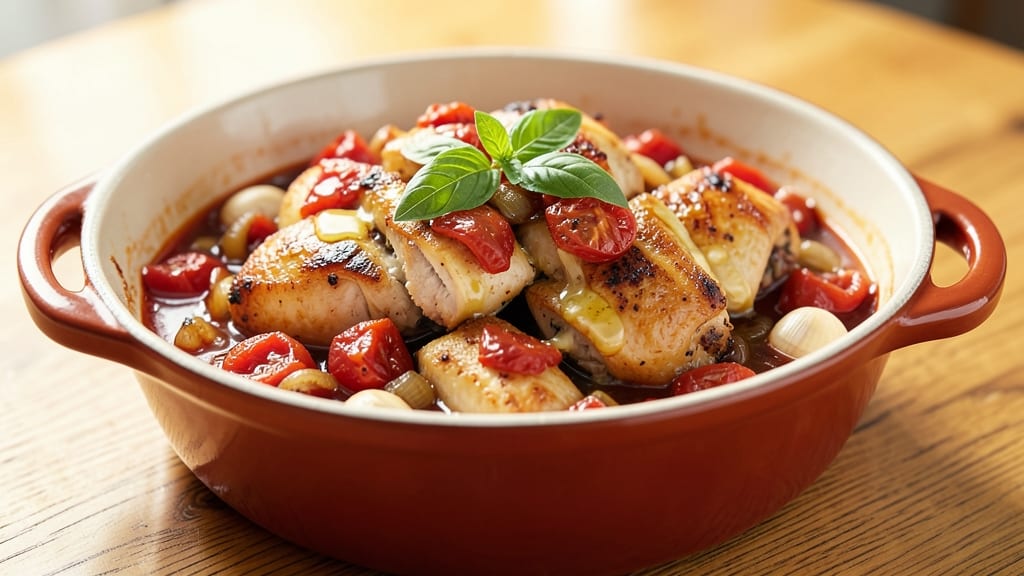
Betty Crocker's chicken cacciatore recipe delivers that classic Italian comfort dish with tender chicken, rich tomato sauce, and aromatic herbs—just like Nonna used to make. Growing up in small-town Georgia, I learned how slow-cooked tomato braises transform simple ingredients into something extraordinary, and this recipe captures that same homey magic.
The secret lies in properly browning the chicken and letting the flavors meld over time, creating a sauce that's both hearty and elegant.
This version stays true to Betty Crocker's signature style while adapting it for home cooks with simple techniques and accessible ingredients. You'll start with chicken pieces that develop a beautiful golden crust from browning, then simmer in a tomato-herb sauce until fork-tender.
The sauce thickens naturally as it reduces, creating that perfect balance of acidity and sweetness that defines Italian comfort food. Every bite delivers layers of flavor—tender chicken, velvety sauce, and fresh herbs—that make this dish feel like a warm embrace.
The recipe includes classic elements like garlic, onions, and Italian herbs that infuse the sauce with depth, while a touch of cream at the end adds richness without overpowering the tomato base. The result is a restaurant-quality dish that's perfect for family dinners or special occasions.
With just one pot to manage and about an hour of hands-on time (plus simmering), you'll have a comforting meal that brings Italian flavors to your table without the fuss.
Serve it over pasta for a complete meal, or let the sauce stand alone with crusty bread to soak up every last drop. This is the kind of dish that gets better as leftovers, with flavors deepening overnight.
Let's create this comforting classic that will become a staple in your weekly rotation.
Ingredients for betty crocker chicken cacciatore
Classic Italian flavors meet homey comfort in this Betty Crocker-inspired chicken cacciatore, where tender chicken simmers in rich tomato-herb sauce.
| Ingredient | Amount | Notes |
|---|---|---|
| Boneless, Skinless Chicken Thighs 🍗 | 1 ½ lb | Cut into 1-inch pieces, pounded even |
| Yellow Onion 🧅 | 1 whole | Thinly sliced, about 1 cup |
| Garlic Cloves 🧄 | 4 cloves | Peeled, minced finely |
| Canned San Marzano Tomatoes 🍅 | 28 oz | Crushed by hand, seeds removed |
| Extra-Virgin Olive Oil 🫒 | ½ cup | High-quality, fruity variety |
| Dry White Wine 🍷 | ½ cup | Sauvignon Blanc or Pinot Grigio |
| Chicken Broth 💧 | 1 cup | Low-sodium preferred |
| Fresh Rosemary 🌿 | ¼ cup | Chopped, stems removed |
| Fresh Thyme 🌿 | ¼ cup | Leaves only, stems removed |
| Fresh Parsley 🌿 | ¼ cup | Chopped, for garnish |
| All-Purpose Flour 🌾 | 1 tbsp | For thickening sauce |
| Heavy Cream 🥛 | ¼ cup | Full-fat for richness |
| Salt 🧂 | 1 ½ tsp | Kosher or sea salt |
| Black Pepper 🌶️ | ½ tsp | Freshly ground preferred |
| Red Pepper Flakes 🌶️ | ¼ tsp | Optional, for heat |
The chicken thighs are the star—bone-in, skin-on if you can find them, but boneless works too. Trader Joe's and Whole Foods often carry good-quality thighs, or check the frozen section for pre-cut pieces. Pounding them evenly ensures consistent cooking. For the tomatoes, San Marzano is ideal (that sweet, meaty flavor), but any high-quality canned tomatoes will do. The herbs? Fresh is best, but if you're using dried, reduce to one-third the amount. Penzeys or local specialty stores carry excellent dried Italian herbs if you prefer convenience.
No white wine? Chicken broth with a splash of lemon juice works perfectly. Fresh herbs wilt fast, so chop them just before adding to the pot. The flour is for thickening—Diamond Crystal works best (it's lighter than other brands). For extra richness, half-and-half or crème fraîche can replace the heavy cream. The red pepper flakes are optional but add a nice kick—adjust to taste. If you're short on time, jarred marinara sauce (like Rao's) can replace the crushed tomatoes, but fresh is always better.
This sauce tastes even better the next day—plan ahead and make extra for leftovers. Store in an airtight container in the fridge for up to 5 days or freeze for 3 months. Reheat gently on the stove, adding a splash of water or broth if it thickens too much. The herbs will keep fresh for 5-7 days if wrapped in damp paper towels and stored in a sealed container. For a restaurant-quality touch, finish with a drizzle of extra-virgin olive oil and a sprinkle of fresh parsley just before serving.
Why You'll Love This Recipe
- Here’s what sold me: this dish elevates a simple meal prep game. Cook a big batch on Sunday, and you’ve got hearty lunches for the week—pack the chicken and sauce over pasta, or serve it cold in wraps with crusty bread. My kids actually ask for leftovers, and I’ve never met a more reliable school lunch.
- One-Pan Magic: I swear by this recipe because it’s all about minimal cleanup—just toss the chicken thighs, sliced onion, and garlic in a skillet with olive oil, let them sear, then pour in the San Marzano tomatoes and simmer. No pots, no pans, no stress. The onions caramelize right there, and the tomatoes thicken into a rich sauce without any fuss.
- Garlic Bomb Flavor: Between us, that garlic clove minced into the olive oil at the start? Chef’s kiss. It blooms into this fragrant, aromatic base that clings to the chicken like a hug. The San Marzano tomatoes add that bright, sweet acidity—no need for fancy herbs or complicated seasoning blends. It’s bold, but not overpowering, and somehow always hits the spot.
- Lunchbox Hero: Here’s what sold me: this dish elevates a simple meal prep game. Cook a big batch on Sunday, and you’ve got hearty lunches for the week—pack the chicken and sauce over pasta, or serve it cold in wraps with crusty bread. My kids actually ask for leftovers, and I’ve never met a more reliable school lunch.
Step-by-step instructions for chicken cacciatore
This classic Italian dish delivers rich tomato-braised chicken with aromatic herbs in just one pot.
Season and Brown the Chicken
Pat the 1.5 lb boneless, skinless chicken thighs dry with paper towels. Cut them into 1-inch pieces and pound them evenly to ensure consistent cooking. In a large Dutch oven, heat the 0.5 cup extra-virgin olive oil over medium-high heat until shimmering. Add the chicken pieces in a single layer, working in batches if needed, and cook undisturbed for 4-5 minutes per side until golden brown. This initial searing creates depth of flavor and prevents the chicken from becoming rubbery.
Once the chicken is browned, remove it from the Dutch oven and set it aside. If the oil appears dark or smoky, wipe out the pot with a paper towel before proceeding. The goal is to build flavor layer by layer, starting with that caramelized chicken crust.
Sauté the Aromatics
In the same Dutch oven, reduce heat to medium and add the 1 whole yellow onion (thinly sliced) and 4 cloves garlic (minced). Cook for 5-6 minutes, stirring occasionally, until the onions soften and turn translucent. You'll notice the kitchen filling with that unmistakable garlic aroma—this is when the flavors really start to develop.
Next, add the 0.25 cup chopped fresh rosemary and 0.25 cup fresh thyme leaves. Stir for 1 minute until the herbs release their essential oils and become fragrant. The leaves should darken slightly and fill the air with their earthy, piney scent. This is the aromatic foundation of your dish, so don't rush this step.
Deglaze and Simmer with Tomatoes
Pour in the 0.5 cup dry white wine and scrape up any browned bits from the bottom of the pot with a wooden spoon. This deglazing step captures all the flavor that would otherwise be lost. Let the wine simmer for 3-4 minutes until it reduces by half and the alcohol cooks off, leaving behind a more concentrated flavor.
Add the 28 oz crushed San Marzano tomatoes (with seeds removed) and the 1 cup chicken broth. Stir well to combine, then sprinkle in the 1 tbsp all-purpose flour. Bring the mixture to a gentle simmer, then reduce heat to low. Partially cover the Dutch oven and let it simmer for 20 minutes, stirring occasionally. The sauce should thicken slightly and develop a rich, tomatoey aroma.
Finish with Cream and Herbs
Return the browned chicken to the Dutch oven and stir gently to coat in the sauce. Add the 0.25 cup heavy cream and the 1.5 tsp salt, 0.5 tsp black pepper, and 0.25 tsp red pepper flakes. Simmer uncovered for an additional 15-20 minutes, until the chicken is tender and the sauce has thickened to a velvety consistency. The chicken should be fork-tender with no pink remaining in the center.
During the final 5 minutes of cooking, stir in the 0.25 cup chopped fresh parsley. This bright herb cuts through the richness of the cream and adds a fresh finish. Taste and adjust seasoning if needed—you may need a pinch more salt to balance the acidity of the tomatoes.
Rest and Serve
Remove the Dutch oven from heat and let the chicken cacciatore rest for 10 minutes. This resting period allows the juices to redistribute throughout the chicken, ensuring each bite is moist and flavorful. The sauce will thicken further as it cools slightly, creating that perfect balance between rich and velvety.
Serve the chicken cacciatore hot, straight from the pot, over polenta or crusty bread to soak up the delicious sauce. The dish should have a perfect harmony of tender chicken, sweet tomatoes, aromatic herbs, and just the right amount of creaminess. This comforting meal is ideal for a cozy family dinner or a special weeknight treat.
Pro Tips For Making Betty Crocker Chicken Cacciatore
- Sear the Chicken Hard: I used to skip this step because it felt like extra work, but searing the chicken thighs in olive oil until they’re deep golden—about 5-6 minutes per side—builds flavor that the tomatoes can’t match. Use a heavy pan and don’t move them until they release easily from the surface.
- Slice That Onion Thin: Dice the onion too big, and it’ll turn to mush in the sauce. Instead, slice it paper-thin—almost like shredding—so it softens without disappearing. My grandmother swore by this, and she was right: you’ll taste it in every bite.
- Deglaze Like a Pro: After browning the chicken, don’t just dump in the tomatoes. Splash in a splash of water or white wine first (even just 2 tablespoons) and scrape the fond off the pan—it’s where all the flavor hides. Skip this, and you’re missing the soul of the dish.
- Finish with Fresh Herbs: The recipe might call for dried herbs, but fresh basil or parsley at the end makes a real difference. Toss in a handful right before serving—it brightens the sauce and cuts through the richness of the chicken. (Yes, even if you’re impatient like me.)
Troubleshooting perfect results
Chicken Too Dry
If your chicken ends up dry, it likely didn’t cook long enough in the sauce. I’ve found that 15-20 minutes of simmering after adding the chicken is crucial—don’t rush this step. For extra moisture, add ¼ cup chicken broth during the final 5 minutes of cooking.
Also, avoid overcrowding the pot when browning; cook the chicken in batches if needed to ensure proper browning. 💧
Sauce Too Thin
A thin sauce usually means the tomatoes weren’t reduced enough or the flour wasn’t incorporated properly. Simmer the sauce uncovered for an extra 10-15 minutes to thicken it naturally.
If it’s still too thin, mix 1 tbsp cornstarch with 1 tbsp cold water, stir it into the sauce, and simmer for another 3-5 minutes. I’ve also had success using arrowroot powder for a smoother texture. 🍲
Tomato Flavor Weak
If your sauce lacks depth, it’s likely because the tomatoes weren’t fresh enough or the aromatics weren’t cooked long enough. Always use San Marzano tomatoes for their natural sweetness, and don’t skip browning the onions and garlic until they’re deeply caramelized—this builds layers of flavor.
For an extra boost, add 1 tsp tomato paste when deglazing with wine. 🍅
Herbs Too Strong
Fresh herbs can overpower if not balanced properly. I recommend adding them in stages: rosemary and thyme go in with the aromatics, while parsley is added at the very end. If the flavors are too intense, reduce the amount by half or use dried herbs (one-third the quantity).
A splash of lemon juice at the end can also brighten the dish. 🌿
Wine Smell Lingers
If the wine flavor is too sharp, it likely didn’t reduce enough. Simmer the wine until it’s reduced by half (about 3-4 minutes) to cook off the alcohol.
For a non-alcoholic version, substitute with chicken broth + 1 tbsp lemon juice—it mimics the acidity without the wine’s bite. 🍷
Sauce Too Acidic
Tomatoes can sometimes overpower the dish with acidity. Balance it by adding 1 tbsp sugar or 1 tsp honey to the sauce during the final 5 minutes of cooking. A splash of heavy cream (already in the recipe) also helps mellow the acidity. Taste as you go—adjust gradually! 🍯
Nutrition facts
Frequently asked questions
Can I use chicken breasts instead of thighs?
Chicken breasts will work, but thighs are ideal for this dish because they stay moist during long cooking. If using breasts, cut them into 1-inch pieces and pound them to ½-inch thickness. Cook them for 2-3 minutes less per side to avoid overcooking. For extra tenderness, add 1 tbsp olive oil to the sauce after browning.
What's the best way to store leftovers?
Let the cacciatore cool completely, then transfer to an airtight container. It keeps in the fridge for 4-5 days or freezes for 3 months. To reheat, warm gently on the stove with 1-2 tbsp broth to restore moisture. The flavors actually deepen overnight!
How do I make this vegetarian?
Replace chicken with 1.5 lb mushrooms (cremini or portobello) or 1 lb chickpeas. Brown the mushrooms first, then proceed with the recipe. Add 1 tsp soy sauce to the sauce for umami depth. For a meaty texture, use hearts of palm or extra-firm tofu cut into chunks.
Why does the sauce sometimes separate?
This happens when the sauce cools too quickly or the flour isn't mixed properly. Always stir the flour into the tomatoes while simmering, and keep heat at a gentle simmer. If it separates, whisk in 1 tbsp cold water and simmer 2-3 minutes more. For prevention, whisk the sauce vigorously during the final 5 minutes of cooking.
Can I make this in a slow cooker?
Yes! Brown the chicken first, then transfer everything to a slow cooker. Cook on LOW for 4-5 hours or HIGH for 2-3 hours. Add the cream and parsley during the last 30 minutes to prevent curdling. The slow cooker makes the chicken extra tender, but the sauce may need thickening with 1 tbsp cornstarch before serving.