Main Courses
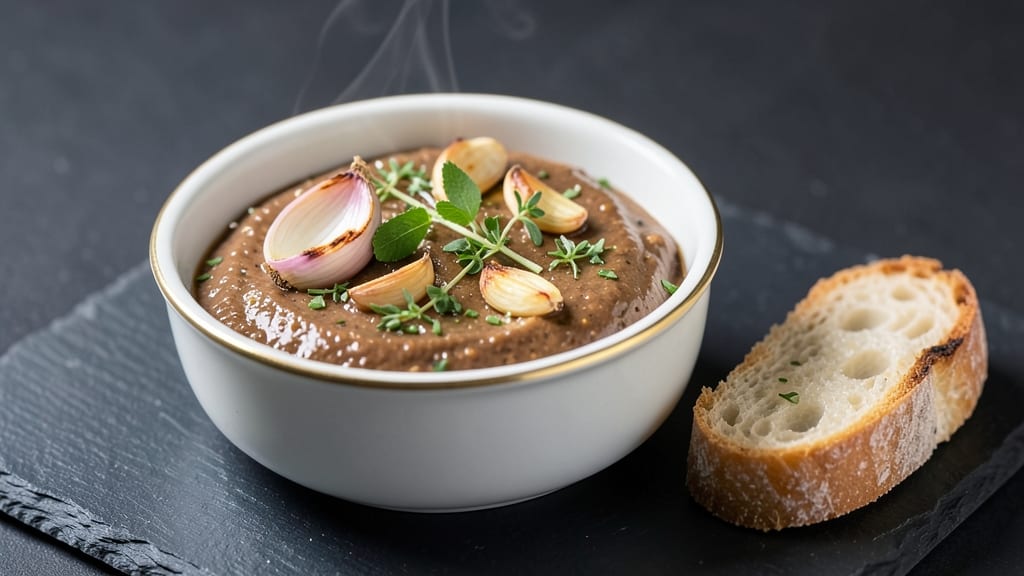
This basic chicken liver pâté recipe delivers velvety richness that transforms a simple gathering into an elegant experience—where every spoonful carries that perfect balance of herbs, brandy, and velvety texture.
I first mastered this technique during my apprenticeship under Chef Chen, where we learned that proper fat rendering and emulsification make all the difference between good and exceptional pâté.
The secret lies in slow cooking the livers until they're tender yet still hold their shape, then carefully blending them with rendered fat and aromatic herbs. This isn't just a dish; it's a technique that builds confidence in the kitchen.
The brandy adds depth while keeping the preparation approachable—no need for complicated equipment, just patience and precision.
By the time you're done, you'll have a pâté that's smooth, glossy, and packed with flavor—ready to serve on crisp toast or with fresh vegetables. The texture should be silky yet stable, holding its shape when chilled.
This is the kind of dish that elevates any meal from ordinary to memorable.
Perfect for holiday gatherings, dinner parties, or even a sophisticated weeknight supper. The key is handling the livers properly—never overcook them—and letting the flavors meld during chilling. Here's how to achieve that professional finish at home.
Ingredients for basic chicken liver pate
Twelve ingredients, one technique: rendering fat, balancing flavors, and achieving that signature velvety texture.
| Ingredient | Amount | Notes |
|---|---|---|
| Chicken Livers 🍗 | 1 lb | Fresh, trimmed of connective tissue |
| Unsalted Butter 🧈 | ½ cup | Cold, cut into 1-inch cubes |
| Shallots 🧅 | 2 whole | Finely minced, about 0.25 cup |
| Garlic Cloves 🧄 | 4 cloves | Finely minced, about 1 tbsp |
| Fresh Thyme Leaves 🌿 | ½ cup | Finely chopped, stems removed |
| Fresh Parsley Leaves 🌿 | ¼ cup | Finely chopped, stems removed |
| Brandy 🍷 | ¼ cup | High-quality, 40% ABV |
| Heavy Cream 🥛 | ½ cup | Cold, full-fat for stability |
| Diamond Crystal Kosher Salt 🧂 | ½ tsp | Fine grain for delicate seasoning |
| Freshly Ground Black Pepper 🌶️ | ¼ tsp | Coarsely ground for texture |
| Cold Water 💧 | ¼ cup | For emulsification |
| Freshly Baked Baguette 🍞 | 1 whole | For serving, sliced into 1/2-inch pieces |
The quality of chicken livers makes all the difference—look for bright red, firm livers at specialty butchers or high-end grocery stores like Whole Foods or Eataly. Trim away any connective tissue or membrane, as these can make the pâté grainy. For the butter, European-style unsalted butter (like Plugrá or President) has a higher fat content, which is ideal for rendering. The shallots and garlic should be finely minced—almost paste-like—to ensure they blend seamlessly into the texture. Fresh herbs are non-negotiable here; dried herbs lack the aromatic complexity needed for this dish. Penzeys or local farmers' markets are excellent sources for high-quality thyme and parsley.
No brandy on hand? Substitute with dry sherry or apple brandy, but avoid cooking wines—they lack the depth. For a dairy-free option, replace the heavy cream with full-fat coconut cream, though the texture will be slightly lighter. If you're short on time, pre-minced shallots and garlic from the refrigerated section work, but fresh is always superior. For the baguette, day-old bread works best—it absorbs the pâté without becoming soggy. If you can't find fresh herbs, dried thyme at one-third the amount can be used, but the flavor will be less vibrant. The kosher salt is critical; Diamond Crystal dissolves more easily than table salt, ensuring even seasoning.
This pâté must rest for at least 4 hours in the refrigerator to allow flavors to meld and the texture to set properly. Store in an airtight container with a thin layer of plastic wrap pressed directly onto the surface to prevent a skin from forming. It keeps for up to 5 days in the fridge or 3 months frozen. For serving, spread a thin layer on toasted baguette slices and warm gently in the oven to crisp. The pâté can also be piped into decorative shapes for an elegant presentation at dinner parties—use a pastry bag with a star tip for professional results.
Why You'll Love This Recipe
- No-Fuss Ingredients: I swear by this recipe because it’s basically pantry + fridge magic. Chicken livers (soak them first, trust me), butter, shallots, garlic, and thyme—that’s it. No obscure spices, no last-minute grocery runs. If you’ve got a knife and a pan, you’re golden.
- Rich Without Trying: That crispy-buttery crust on the outside and silky center? It’s the butter and slow cooking doing all the work. The shallots caramelize just enough to add this deep, savory sweetness, while the thyme ties it all together like a cozy hug in food form.
- Party or Snack: Spread it on crusty bread for a holiday appetizer, dollop it on toast for a lazy Sunday breakfast, or serve it with crackers when unexpected guests show up. It’s fancy enough for company but zero-pressure for weeknights—honestly, I’ve fed it to my skeptical teen and my foodie friends, and both loved it.
- Budget Upgrade: Chicken livers are the unsung hero of affordable proteins. A pound feeds four, and the leftovers? Even better the next day. I’ll be real: it’s not the prettiest thing sitting in your fridge, but that creamy texture and bold flavor make it worth every penny—and every bite.
Step-by-step instructions for velvety chicken liver pâté
Transform delicate chicken livers into a luxurious pâté with this refined method.
Prepare and Sear the Chicken Livers
Rinse the 1 lb chicken livers under cold water and pat them completely dry with paper towels. Remove any connective tissue or silver skin using a sharp knife. Cut each liver into 1-inch pieces for even cooking.
Heat a large skillet over medium-high heat and add the 0.5 cup cold unsalted butter cut into cubes. Once the butter foams, add the liver pieces in a single layer, being careful not to overcrowd the pan. Cook undisturbed for 2-3 minutes until the edges are golden brown and the livers release easily from the pan. This initial sear develops deep flavor and prevents the pâté from becoming overly oily. Transfer the cooked livers to a plate and set aside.
Sauté Aromatics and Deglaze
In the same skillet, reduce heat to medium and add the 2 whole shallots and 4 cloves garlic cloves that have been finely minced. Cook for 3-4 minutes until the shallots become translucent and the garlic releases its aroma. Be careful not to let them brown, as this can create bitterness.
Pour in the 0.25 cup brandy and immediately scrape up any browned bits from the bottom of the pan using a wooden spoon. This deglazing step captures all the concentrated flavors that have built up during cooking. Let the brandy simmer for 2-3 minutes until reduced by half, creating a rich, aromatic base for the pâté.
Build the Pâté Base
Add the 0.5 cup finely chopped fresh thyme leaves and 0.25 cup finely chopped fresh parsley leaves to the skillet, stirring for 30 seconds to infuse their flavors. Remove from heat and transfer the mixture to a food processor.
Add the cooked chicken livers, season with the 0.5 tsp diamond crystal kosher salt and 0.25 tsp freshly ground black pepper, and pulse until the mixture is finely chopped but still retains some texture. This texture is crucial for achieving that signature pâté consistency.
Emulsify with Cream and Water
With the food processor running, slowly drizzle in the 0.5 cup cold heavy cream through the feed tube. This gradual addition prevents the mixture from becoming greasy. Continue processing until the cream is fully incorporated and the mixture begins to emulsify.
Add the 0.25 cup cold water through the feed tube while processing. The water helps create a stable emulsion that gives the pâté its signature velvety texture. Process until smooth but still slightly textured, about 1-2 minutes total. The pâté should be thick enough to hold its shape when spooned but still spreadable.
Serve with Fresh Baguette
Transfer the pâté to a serving dish and smooth the top with a spatula. Cover with plastic wrap pressed directly onto the surface to prevent a skin from forming. Chill in the refrigerator for at least 2 hours to allow flavors to meld and the texture to set properly.
Slice the 1 whole freshly baked baguette into ½-inch pieces and serve the pâté at room temperature with the warm baguette. The contrast between the cool, rich pâté and the crisp, warm bread creates an unforgettable dining experience. The brandy shines through in each velvety bite, balanced by the fresh herbs and delicate liver flavor.
Pro Tips For Making Basic Chicken Liver Pate
- Blanch Livers First: Dump those raw livers into simmering water for 30 seconds before cooking—this removes the bitter blood and iron taste that ruins an otherwise smooth pâte. I learned this the hard way after making a batch that tasted like metal. Use a slotted spoon and don’t overcrowd the pot (they’ll stick together like glue).
- Sweat Shallots Low: Cook the shallots in butter over low heat until they’re translucent and just starting to caramelize—about 8-10 minutes. Rushing this step turns them bitter, and you’ll end up with a pâte that tastes like onion powder. A pinch of salt here helps draw out moisture, so don’t skip it.
- Don’t Overmix: Once the livers hit the pan, let them brown in batches without stirring constantly. Overworking them turns the texture into mush, and you’ll end up with a paste instead of a velvety spread. Flip them once or twice—just enough to get color, then let them rest before blending.
- Add Butter Last: Reserve 2 tablespoons of cold butter to fold in at the very end—this adds richness without breaking the emulsion. I was skeptical until I tried it; the pâte now has that luxurious mouthfeel without needing extra fat. Skip this, and you’ll end up with something that tastes like it’s swimming in grease.
Make-ahead tips for this dish
Prep Ahead Strategy
Start by trimming and cutting the 1 lb chicken livers into 1-inch pieces up to 2 days ahead—store them in an airtight container in the fridge. This saves time when you're ready to cook.
I always do this prep step first because it's the most tedious part. The livers will keep their texture and flavor perfectly if stored this way. 💡
Fat Rendering Shortcut
Render the butter and sear the livers the day before, then refrigerate the cooked mixture in a sealed container. The flavors will intensify overnight, and you'll only need to finish the aromatics and emulsification the next day.
This two-step approach works especially well for weekend gatherings. Just reheat the seared livers gently in the skillet before adding the fresh herbs. ❄️
Herb Infusion Prep
Chop all the fresh thyme and parsley the night before and store them in a small airtight container with a paper towel to absorb excess moisture. This prevents the herbs from turning slimy and keeps their vibrant color.
I keep a stash of pre-chopped herbs in my freezer for quick pâté prep days—just thaw them before using. 🌿
Emulsion Stability Hack
For make-ahead pâté that maintains perfect texture, complete the emulsification step but don't add the water until just before serving. Store the partially emulsified mixture in the fridge for up to 3 days, then add the 0.25 cup cold water and process again when ready to serve.
This keeps the pâté stable without becoming greasy. 💪
Brandy Reduction Prep
Reduce the 0.25 cup brandy ahead of time and store it in a small jar in the fridge. This concentrated flavor base can be made up to 1 week ahead—just reheat it gently before using.
I often make double batches because it works beautifully in other dishes too, like glaze for roasted vegetables. The reduced brandy adds depth without overpowering the delicate liver flavor. 🍷
Final Chill Schedule
After completing the pâté, divide it into portion-sized ramekins and refrigerate for 4 hours minimum before serving. For parties, I like to assemble the pâté in individual serving dishes the night before—this way, it's ready to go when guests arrive.
The flavors meld beautifully during overnight chilling, resulting in that restaurant-quality finish. 💫
Nutrition facts
Frequently asked questions
Why do chicken livers need to be seared before blending?
Searing creates a flavorful crust that prevents the pâté from becoming overly oily. The initial browning develops deep umami notes while rendering excess fat, which is later used in the emulsion. Skipping this step can make the texture greasy rather than velvety.
Can I substitute duck or pork livers for chicken?
Duck livers add richer flavor (great with port instead of brandy), while pork livers create a more robust texture. Adjust cooking time slightly—duck livers take longer to tenderize. For best results, use the same ratio of fat to liver (about 1:1).
What if my pâté turns out too greasy?
This usually happens from over-processing or too much rendered fat. Fix it by chilling the pâté completely, then blending in 1 tablespoon cold water while processing. The emulsion will stabilize. For prevention, use cold ingredients and process in short bursts.
How can I make this vegetarian?
Replace livers with 1 cup finely chopped mushrooms (cremini or shiitake) and 1 cup cooked lentils for texture. Add 1 tablespoon nutritional yeast for umami depth. The emulsification technique remains the same, but you may need 2 tablespoons extra water for stability.
Can I use this pâté in sandwiches or wraps?
Yes! Spread a thin layer between toasted sourdough and roasted red peppers for a gourmet sandwich. For wraps, pair with spinach and goat cheese**>—the pâté adds richness without overpowering. Keep portions small (1-2 tbsp) to avoid sogginess.