
Main Courses
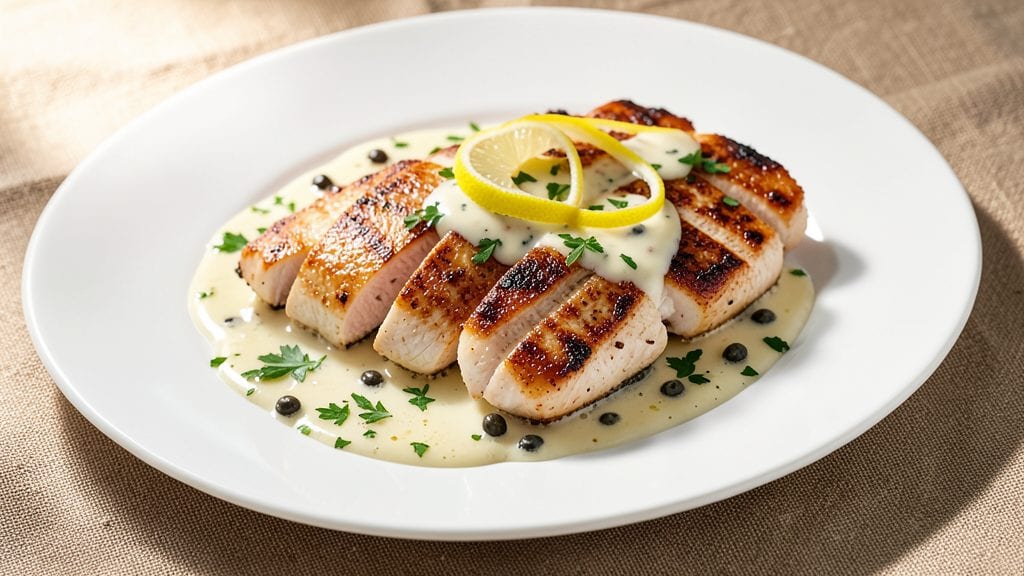
Inspired by Ina Garten’s signature approach, this Barefoot Contessa chicken piccata delivers bright, buttery lemon-caper sauce that transforms simple chicken into an elegant weeknight dinner. The secret lies in balancing acidity with richness—a technique I perfected after years of adapting classic Italian recipes for home cooks.
Every bite is tender, crisp, and bursting with that signature tangy-sweet contrast.
The recipe starts with pound chicken cutlets pounded to an even thickness for consistent cooking, then lightly seasoned and seared in butter until golden.
While the chicken rests, the sauce comes together in the same pan—white wine, lemon juice, capers, and fresh parsley create a velvety, aromatic sauce that clings perfectly to the chicken. This method ensures restaurant-quality results with minimal cleanup.
What makes this dish truly special is how the flavors develop: the lemon brightens the richness of the butter, while the capers add a briny punch that cuts through the chicken’s tenderness.
The result is a plate that looks impressive yet feels approachable—ideal for impressing guests without spending hours in the kitchen.
Serve with linguine pasta or roasted asparagus to complete the meal. The sauce also reheats beautifully, making it perfect for leftovers. Here’s how to bring this classic to your table with confidence and precision.
Ingredients for barefoot contessa chicken piccata
Bright, buttery lemon-caper sauce transforms simple chicken into restaurant-quality piccata with minimal effort.
| Ingredient | Amount | Notes |
|---|---|---|
| Chicken Breast Cutlets 🍗 | 1 ½ lb | Pounded to even 1/4-inch thickness |
| Unsalted Butter 🧈 | ½ cup | European-style preferred for flavor |
| All-Purpose Flour 🌾 | ¼ cup | For dredging chicken cutlets |
| Dry White Wine 🍷 | ½ cup | Sauvignon Blanc or Pinot Grigio |
| Fresh Lemon Juice 🍋 | ¼ cup | From 2 medium lemons |
| Capers 🫒 | ¼ cup | Nonpareils, drained and rinsed |
| Fresh Flat-Leaf Parsley 🌿 | ¼ cup | Chopped, stems removed |
| Diamond Crystal Kosher Salt 🧂 | 1 tsp | For seasoning chicken |
| Freshly Ground Black Pepper 🌶️ | ½ tsp | Cracked peppercorns preferred |
| Extra-Virgin Olive Oil 🫒 | 1 tbsp | For finishing sauce |
| Zest of 1 Lemon 🍋 | 1 tbsp | For added brightness |
| Heavy Cream 🥛 | ¼ cup | For sauce richness |
| Garlic Cloves 🧄 | 2 cloves | Minced for sauce base |
The chicken cutlets are the foundation—look for boneless, skinless breasts with minimal fat to ensure even cooking. Pounding to 1/4-inch thickness guarantees consistent doneness, and European-style unsalted butter adds a richer flavor than standard American butter. Most butcher shops will pound the cutlets for you if you ask, saving time. For the wine, dry whites like Sauvignon Blanc or Pinot Grigio work best—they shouldn’t overpower the lemon and capers. If you’re cooking for guests, trust the butcher’s cut; they’ll know which breasts will yield the most even pieces.
No white wine? Chicken broth with a splash of lemon juice mimics the acidity, though the sauce will be slightly less refined. The capers should be nonpareils for their delicate texture—avoid the larger, saltier varieties unless you want a stronger briny note. Fresh parsley is non-negotiable here; dried won’t provide the same vibrant finish. For the flour, all-purpose works fine, but if you have bread flour, use it for a slightly chewier dredge. The heavy cream adds luxuriousness, but if you’re watching calories, half-and-half works in a pinch. Always zest your lemons fresh—pre-made zest loses its punch quickly.
Store the chicken cutlets in the fridge for up to 2 days before cooking, wrapped tightly in plastic. The sauce components (wine, lemon juice, capers) keep for 1 week in the refrigerator, though the lemon juice should be used within 3 days for peak brightness. Once assembled, the dish reheats beautifully—simply warm the sauce in a skillet over medium heat, then add the chicken to gently reheat. Leftovers keep for 3 days, though the sauce may thicken slightly. To restore its velvety texture, stir in a splash of warm water or broth.
Why You'll Love This Recipe
- Pan-Fried Perfection: I swear by this recipe because it turns boneless chicken cutlets into crispy, golden edges in just 6 minutes—no fancy technique required. The secret? Pounding the breasts thin before dredging them in flour, so they cook fast and stay juicy. (Yes, even if you’re not a pro.)
- Wine-Lemon Magic: That splash of dry white wine and bright lemon juice? It’s the flavor equivalent of a hug. The acid cuts through the richness of the butter, leaving you with a sauce that’s tangy, slightly sweet, and ridiculously addictive—no heavy cream or complicated reductions needed.
- Date Night Ready: Between us, this dish feels fancy but takes less effort than ordering takeout. Serve it over pasta, with crusty bread, or even on its own—it’s equally at home for a weeknight dinner or when your in-laws drop by. (I’ve tested it. It passes.)
- Budget-Friendly Leftovers: Chicken cutlets stretch further than you’d think, and the sauce reheats beautifully. I’ll often make extra, toss it with rice the next day, or pack it for lunch—no one complains, and my wallet stays happy. (Also, wine leftovers? Pour them into the sauce. Waste not.)
Step-by-step instructions for Barefoot Contessa chicken piccata
Master this classic Italian dish with crispy chicken and bright lemon-caper sauce in under 30 minutes.
Prepare and Season the Chicken Cutlets
Begin by placing the 1.5 lb chicken breast cutlets between two sheets of plastic wrap. Using a meat mallet or rolling pin, pound them to an even ¼-inch thickness throughout. This ensures even cooking and prevents the centers from remaining undercooked. Season both sides generously with the 1 tsp diamond crystal kosher salt and 0.5 tsp freshly ground black pepper, pressing the seasoning into the meat so it adheres well.
Next, dredge each cutlet lightly in the 0.25 cup all-purpose flour, shaking off any excess. The flour creates a delicate crust that helps the chicken brown beautifully in the pan. Work quickly so the flour doesn't absorb moisture from the chicken, which would prevent proper browning. Place the seasoned cutlets on a plate and let them rest for 5 minutes before cooking.
Create the Perfect Pan Sear
Heat a large skillet over medium-high heat until hot. Add the 0.5 cup unsalted butter and let it melt completely, then reduce the heat to medium. Working in batches if needed, add the chicken cutlets to the skillet, being careful not to overcrowd the pan. Cook for 3-4 minutes per side, or until the chicken is golden brown and cooked through to an internal temperature of 165°F.
I like to press down gently on the cutlets during the first minute of cooking—this prevents them from curling and ensures even contact with the pan. Once the chicken is browned and cooked, transfer it to a warm plate and tent loosely with aluminum foil to keep warm while you prepare the sauce.
Build the Lemon-Caper Sauce
Reduce the heat to medium-low and add the 2 minced garlic cloves to the same skillet, cooking for 30 seconds until fragrant. Pour in the 0.5 cup dry white wine and scrape up any browned bits from the bottom of the pan with a wooden spoon. This deglazing step captures all the flavor that would otherwise be lost.
Bring the wine to a gentle simmer and let it reduce by half, which should take about 2-3 minutes. Add the 0.25 cup fresh lemon juice, 1 tbsp zest of 1 lemon, and 0.25 cup capers, stirring to combine. The sauce should be bright and tangy, with the capers visibly distributed throughout. If the sauce begins to look too thick, you can add a splash of water to loosen it slightly.
Finish with Cream and Return Chicken
Lower the heat to low and stir in the 0.25 cup heavy cream. Let the sauce simmer gently for 1-2 minutes until it thickens slightly but remains smooth. Taste and adjust the seasoning with additional salt or pepper if needed. The sauce should be rich yet still bright with lemon and caper flavors.
Return the chicken cutlets to the skillet, spooning the sauce over the top. Let everything heat through together for 1-2 minutes, allowing the chicken to absorb the flavors of the sauce. Sprinkle the 0.25 cup chopped fresh flat-leaf parsley and 1 tbsp extra-virgin olive oil over the top for added freshness and richness.
Serve Immediately
Transfer the chicken and sauce to a serving platter and serve immediately, ideally over a bed of linguine or with crusty bread to soak up the delicious sauce. The chicken should be golden and crispy on the outside with juicy, tender meat inside, while the sauce should coat the chicken beautifully, balancing the bright lemon and briny capers with the richness of the cream.
For the best results, serve this dish right away while the chicken is still warm and the sauce is at its peak flavor. The lemon-caper sauce will continue to brighten every bite, making this a dish that's as elegant as it is delicious.
Pro Tips For Making Barefoot Contessa Chicken Piccata
- USE COLD BUTTER: I learned this the hard way—adding softened butter to the pan makes the sauce clump like a sad, greasy lump. Chill that butter first, then cut it into small cubes so it melts cleanly into the wine and lemon. The sauce will be silky, not greasy.
- POUND THOSE CUTLETS: Skimp on this step, and your chicken will turn out like a sad, rubbery pancake. Use a meat mallet (or a rolling pin and a heavy book) to pound the cutlets to an even ¼-inch thickness—press down hard enough that you can see the grain of the meat. Even thickness = even cooking.
- DEGLAZE HOT: Let the pan cool before pouring in wine, and you’ll end up with a thin, flavorless sauce. Keep the pan on medium-high heat, add the wine immediately after removing the chicken, and let it bubble for 30 seconds before scraping up those browned bits. That’s where the real flavor hides.
- SALT THE FLOUR: Plain flour crusts taste bland because they’re not seasoned. Mix your ½ cup of flour with 1 teaspoon of salt right in the bowl—yes, even if you’re using unsalted butter. The crust will taste like it belongs in the dish, not like a sad afterthought.
Flavor customization for this dish
Spicy Kick
For those who love heat, add 1 tsp of red pepper flakes or ½ tsp of cayenne pepper directly to the sauce when you incorporate the lemon juice and capers. This introduces a subtle burn that pairs beautifully with the briny capers and bright lemon.
I’ve found that Penzeys brand red pepper flakes add a consistent, medium heat without overpowering the dish. If you're feeling adventurous, a pinch of crushed chili flakes works too—just taste as you go. 🌶️
Herb Variations
Swap out the parsley for other fresh herbs to change the flavor profile completely. Try ½ cup chopped tarragon for an anise-like sweetness that complements the lemon beautifully. Or, mix ¼ cup parsley with ¼ cup chopped dill for a fresh, almost Scandinavian twist.
I once used basil in a summer version, and it added a bright, almost Thai-inspired note to the sauce. Garnish with extra herbs before serving for a pop of color.
Creamy Twist
For a richer, more decadent sauce, replace the heavy cream with ½ cup crème fraîche or ½ cup sour cream when finishing the sauce. The tanginess of these dairy options adds depth and cuts through the richness of the butter.
I also like to stir in 1 tbsp of Dijon mustard with the cream for a subtle sharpness that balances the sweetness of the lemon. This variation feels especially luxurious when served over freshly cooked fettuccine.
Vegetable Boost
Add ½ cup sliced mushrooms or ½ cup thinly sliced shallots to the skillet with the garlic for extra texture and flavor. The mushrooms will absorb the lemon-caper sauce beautifully, adding an earthy depth, while the shallots caramelize slightly, enhancing the overall complexity.
I’ve also added ½ cup roasted cherry tomatoes to the sauce for a sweet-tart contrast that works wonderfully with the briny capers.
Sweet Balance
To soften the acidity of the lemon, stir in 1 tbsp of honey or 1 tbsp of maple syrup when you add the heavy cream. This creates a subtle sweetness that rounds out the flavors beautifully.
I’ve also drizzled 1 tsp of orange zest into the sauce for a citrusy harmony that feels especially festive. This variation is perfect for holiday dinners or when you want to impress guests with a refined touch. 🍯
Protein Swap
While chicken is classic, this sauce works beautifully with pork cutlets or even shrimp. For pork, use ½-inch thick pork chops and cook them until they reach 145°F internal temperature.
Shrimp cooks in just 2-3 minutes per side, so add them to the skillet last, after the sauce has formed. I once made this with king salmon fillets for a lighter, more delicate version that felt equally elegant. The sauce’s brightness cuts through the richness of the seafood perfectly.
Nutrition facts
Frequently asked questions
Can I use boneless, skinless chicken thighs instead of breasts?
Yes, but adjust the cooking time to 5-6 minutes per side since thighs are thicker and cook slower. They'll yield juicier results with more flavor, though breasts stay more tender. For thighs, pound to ½-inch thickness and check internal temp with a thermometer—it should reach 165°F.
What if I don't have white wine for the sauce?
Use ½ cup chicken broth + 1 tbsp lemon juice as a substitute. The acidity mimics wine's role, though the sauce will be slightly less refined. For depth, add ½ tsp dried thyme or 1 tsp fish sauce to compensate for the missing umami from wine.
How do I prevent the chicken from curling up while cooking?
Press down firmly on the cutlets with a spatula during the first 30 seconds of cooking. Also, pound them to an even ¼-inch thickness before seasoning. If they still curl, try cooking at a slightly lower heat (medium instead of medium-high) for better control.
Can I make this dish ahead of time?
Cook the chicken and sauce separately, then refrigerate for up to 2 days. Reheat gently in a skillet with a splash of water or broth to restore the sauce's silkiness. For best texture, serve within 4 hours of reheating—chicken stays moist but may lose slight crispiness.