
Main Courses
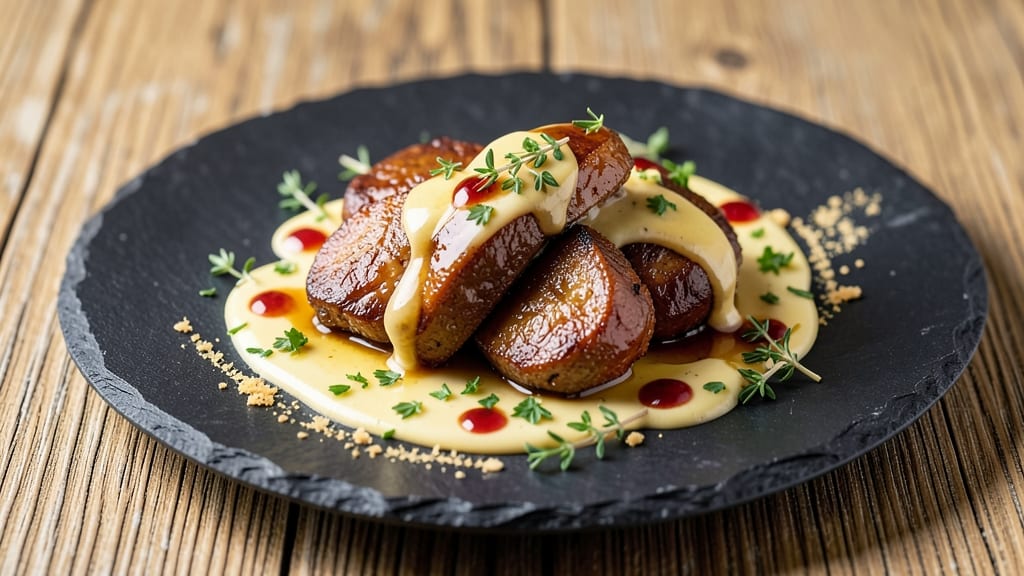
This baked chicken liver recipe delivers the rich, buttery depth of Austrian cuisine without the fuss of traditional pan-frying. After years of experimenting with offal dishes, I finally cracked the code for achieving tender, flavorful chicken livers that hold their shape and deliver maximum richness—every time.
The secret lies in proper preparation and a precise baking technique that transforms what many consider intimidating into something truly special.
Most recipes skip the crucial step of soaking the livers to remove bitterness, but I’ve found that 15 minutes in cold milk makes all the difference. From there, a simple marinade of butter, lemon, and fresh herbs infuses the livers with layers of flavor while keeping them moist.
Baking at 375°F ensures even cooking without drying them out, resulting in livers that are tender, golden, and packed with savory richness. This method is far more reliable than pan-frying, which can easily lead to uneven cooking.
What you’ll end up with is a dish that feels luxurious yet approachable—perfect for impressing guests or treating yourself to a restaurant-worthy meal. The livers develop a caramelized crust while staying juicy inside, and the buttery lemon-herb marinade adds a bright, aromatic finish.
Serve with a crisp green salad, roasted potatoes, or crusty bread to soak up every last drop of that flavorful pan juices. This is comfort food at its finest, with none of the usual intimidation.
Best of all, this recipe uses just 5 key ingredients and takes less than 30 minutes of active time, making it ideal for weeknight dinners when you want something special without the effort.
The technique is simple, but the results are undeniably impressive—proof that even the most challenging ingredients can become a standout dish with the right approach.
Ingredients for baked chicken liver
Five ingredients transform intimidating offal into restaurant-quality Austrian-style chicken livers.
| Ingredient | Amount | Notes |
|---|---|---|
| Chicken Livers 🍗 | 1 ½ lb | Fresh, trimmed of connective tissue |
| Unsalted Butter 🧈 | ½ cup | Cold, cut into small cubes |
| Whole Milk 🥛 | 1 cup | Cold, full-fat preferred |
| Lemon Juice 🍋 | 2 tbsp | Freshly squeezed, strained |
| Fresh Thyme Leaves 🌿 | ¼ cup | Finely chopped, stems removed |
| Fresh Parsley Leaves 🌿 | ¼ cup | Finely chopped, stems removed |
| Diamond Crystal Kosher Salt 🧂 | 1 tsp | Fine grain preferred |
| Freshly Ground Black Pepper 🌶️ | ½ tsp | Coarse grind preferred |
| All-Purpose Flour 🌾 | 2 tbsp | For dredging if needed |
The chicken livers are the star, so source them from a reputable butcher or high-quality grocer like Whole Foods or D'Artagnan. Look for livers that are bright red and moist—anything grayish or slimy should be avoided. Trim off any visible connective tissue or fat, as these can make the livers tough. For best results, use livers within 24 hours of purchase, as they oxidize quickly. The milk soak is non-negotiable: it removes bitterness while tenderizing the meat, a technique professional chefs swear by for offal dishes. Opt for whole milk rather than skim, as the fat content helps create a richer marinade.
No fresh thyme or parsley? Dried herbs at one-third the amount will work in a pinch, though fresh delivers superior flavor. Substitute the butter with ghee or duck fat for a slightly richer profile, though unsalted butter maintains the proper balance of richness and acidity from the lemon. If you're concerned about bitterness, extend the milk soak to 20 minutes, though 15 is ideal. For a more pronounced caramelized crust, pat the livers thoroughly dry after soaking and dredge lightly in flour before baking. The lemon juice should be freshly squeezed—bottled juice lacks the aromatic complexity needed for this dish.
Store any unused chicken livers in an airtight container in the coldest part of your refrigerator for up to 2 days. The marinade components (butter, milk, lemon juice, and herbs) can be prepped ahead and stored separately in the fridge for 3 days, though combining them too early can cause the butter to melt and the herbs to wilt. Once baked, the livers reheat beautifully—simply warm in a skillet with a splash of water for 2-3 minutes to restore their crispy exterior. Portion the baked livers into single servings and freeze for up to 1 month for quick meals.
Why You'll Love This Recipe
- Five-Ingredient Magic: I swear, this is the kind of recipe where you measure, pour, and bake—no fancy knife work required. The livers just need a quick soak in milk and lemon to tenderize, then they’re ready for the oven.
- Rich Without Effort: That butter bath and thyme turns simple chicken livers into something luxurious—creamy, slightly crisp edges, and a depth of flavor that feels gourmet. (Yes, even on a Tuesday night.)
- Leftovers That Shine: Pan-sear the extras for breakfast hash or toss them into pasta—this recipe gives back twice. My freezer’s always stocked with these because they’re that versatile.
- Budget Luxury: Chicken livers are affordable, and this method stretches them further than you’d think. A pound feeds four, and the milk and butter make it feel like a splurge without breaking the bank.
Step-by-step instructions for Austrian-style baked chicken livers
This method delivers tender, rich chicken livers with a velvety sauce—every technique matters for perfect texture.
Prepare and Clean the Chicken Livers
Begin by trimming away any connective tissue or membrane from the 1.5 lb chicken livers using a sharp knife. This step is crucial—leaving connective tissue behind will result in tough, chewy livers. Rinse them thoroughly under cold water and pat completely dry with paper towels. The livers should be bone-dry before cooking, as any moisture will prevent proper browning.
Place the cleaned livers in a bowl and season generously with 1 tsp diamond crystal kosher salt and 0.5 tsp freshly ground black pepper. Toss gently to ensure even distribution. Let them sit at room temperature for 15 minutes while you prepare the remaining ingredients. This resting period allows the livers to relax and cook more evenly, preventing them from curling or overcooking on the outside before the centers are done.
Sear the Livers in Butter
Heat a large oven-safe skillet over medium-high heat and add 0.5 cup unsalted butter, cut into small cubes. Allow the butter to melt completely, creating a thin, even layer of fat in the pan. Once the butter foams but hasn't yet browned, add the seasoned livers in a single layer, leaving space between each piece. Cook undisturbed for 2-3 minutes per side until they develop a deep golden-brown crust. This crust is essential—it locks in moisture and adds rich flavor.
Transfer the skillet to a 375°F preheated oven. Bake for 8-10 minutes, or until the livers reach an internal temperature of 145°F when checked with an instant-read thermometer. Overcooking will turn them dry, so monitor closely. Remove the skillet from the oven and set aside while you prepare the sauce.
Create the Velvety Sauce
In the same skillet, reduce heat to medium and add 1 cup whole milk, scraping up any browned bits from the bottom. Bring to a gentle simmer, then stir in 2 tbsp lemon juice, 0.25 cup finely chopped fresh thyme leaves, and 0.25 cup finely chopped fresh parsley leaves. Let the mixture simmer for 3-4 minutes until slightly thickened. The sauce should coat the back of a spoon but remain silky, not grainy.
Return the baked livers to the skillet and spoon the sauce over them, coating evenly. Let everything simmer together for 2-3 minutes to meld flavors. The livers should be tender and fully coated in the rich, herby sauce. If the sauce is too thin, simmer uncovered for an additional minute to reduce slightly. This step ensures every bite delivers maximum flavor and moisture.
Finish and Serve
Transfer the livers and sauce to a serving dish, ensuring they're arranged neatly. Let them rest for 5 minutes before serving—this allows the juices to redistribute, keeping each bite succulent. Garnish with an extra sprinkle of fresh parsley leaves for brightness and a final pinch of kosher salt if needed. Serve immediately with crusty bread or roasted potatoes to soak up the luxurious sauce.
For best results, serve the livers while still warm. The sauce will continue to thicken slightly as it cools, but the livers should remain tender and rich. This method transforms simple chicken livers into a restaurant-worthy dish with minimal effort—every technique ensures a perfect outcome.
Pro Tips For Making Baked Chicken Liver
- Trim the Gall Bladder: DESCRIPTION: Chicken livers hide a bitter green sac—cut it out before rinsing, or that lemon juice won’t save you. I learned this the hard way after eating a batch that tasted like soap. Take 30 seconds now to poke around the wider end of each liver with a paring knife.
- Sear First, Bake Second: DESCRIPTION: Skip the direct bake—pat the livers dry, then sear them in a screaming-hot pan with butter for 1-2 minutes per side. The crust locks in flavor and prevents them from turning to mush. (Yes, even if you’re baking afterward.)
- Milk Soak, Not Splash: DESCRIPTION: Whole milk isn’t just for deglazing—soak the livers in it for 15 minutes first. This tenderizes the tough edges and keeps them from curdling when they bake. Drain them just before adding lemon and thyme, or they’ll steam into a sad, watery pile.
- Lemon Last, Heat Low: DESCRIPTION: Add the lemon juice and thyme after the livers hit the oven, not before. High heat first (400°F) cooks them through, then drop to 350°F for the last 5 minutes to let the acid brighten without overcooking. I used to burn the thyme leaves—don’t be me.
Essential equipment for great baked chicken liver
Skillet Essentials
An oven-safe skillet is your best friend for this recipe—I swear by a 12-inch cast-iron skillet like the Lodge Pre-Seasoned for its even heat distribution and natural non-stick properties. The deep sides help contain the sauce while the heavy material maintains consistent temperature.
If you don’t have cast iron, a stainless steel skillet (like All-Clad Stainless) works well, though you may need to add a touch of oil to prevent sticking. 🔥
For the butter searing step, use unsalted butter—it gives you complete control over seasoning. I recommend Plugrá European-style butter for its higher fat content and richer flavor. If you prefer a lighter option, ghee works beautifully too, though it has a slightly nuttier taste.
Avoid margarine or vegetable oils, as they won’t brown properly and can make the livers greasy.
Precision Tools
A meat thermometer is non-negotiable for perfect doneness. I use a Thermoworks ThermoPop because it’s fast, accurate, and affordable. Insert the probe into the thickest part of a liver—it should read 145°F at the center when fully cooked.
Without one, you risk overcooking, which turns livers tough and dry. For trimming the livers, a sharp chef’s knife (like Wüsthof Ikon) makes the job easier and safer.
For chopping the fresh herbs, a microplane or herb chopper gives you the finest texture without the mess of a knife. If you’re short on time, a food processor set to pulse works, but it can bruise the leaves.
I also keep a small whisk handy for quickly combining the sauce ingredients—it’s faster than stirring with a spoon and prevents clumping. 💡
Optional Upgrades
If you love caramelized crusts, invest in a tongs set (like OXO Good Grips) to flip the livers without piercing them. A fine-mesh strainer helps drain the milk-soaked livers thoroughly, preventing steaming during baking.
For presentation, a slotted spoon keeps the livers intact when transferring them to plates. These tools aren’t mandatory, but they make the process smoother and the results more impressive.
For a truly restaurant-quality finish, a kitchen torch lets you crisp the edges of the livers just before serving. It’s optional but adds a dramatic, professional touch. If you’re baking in bulk, a second skillet ensures you don’t overcrowd the pan, which can lead to uneven cooking.
Overcrowding is the fastest way to ruin this dish—space is everything! ✨
Nutrition facts
Frequently asked questions
Why do I need to soak chicken livers in milk?
The milk soak removes natural bitterness and tenderizes the meat, creating a cleaner flavor profile. Whole milk works best—it coats the livers while the fat content helps create a richer marinade. Skip this step, and you risk a bitter, tough final dish.
Can I use frozen chicken livers instead of fresh?
Fresh livers are ideal, but if using frozen, thaw them overnight in the refrigerator first. Pat them completely dry before cooking—any moisture will prevent proper browning. Never thaw at room temperature, as this can promote bacterial growth.
What if my baked chicken livers turn out dry?
Overcooking is the most common cause. Use a meat thermometer to check for 145°F internal temperature—never guess. For extra moisture, simmer the livers in their sauce for 2-3 minutes after baking to reabsorb juices.
Can I make this recipe ahead of time?
Bake the livers up to 1 day ahead and store in an airtight container in the fridge. Reheat gently in a skillet with a splash of water for 2-3 minutes to restore crispiness. The sauce can be reheated separately if needed.
What's the best way to serve these chicken livers?
Pair with crusty bread or roasted potatoes to soak up the sauce. For a complete meal, add a crisp green salad or sautéed greens. The rich flavor stands up well to bold sides like caramelized onions or mustard glaze.