Main Courses
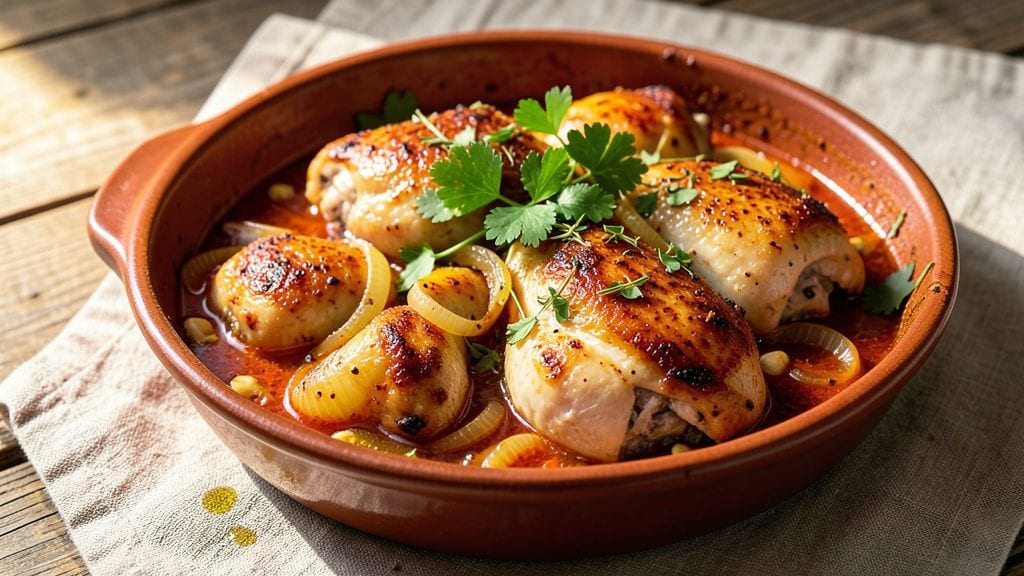
Creating an authentic Hungarian chicken paprikash means capturing that perfect balance of smoky paprika, rich sour cream, and tender chicken—all simmered together in one pot. This dish is where my grandmother’s handwritten recipe cards came alive, with just the right amount of patience and heat to develop deep, complex flavors.
The key lies in properly blooming the spices and letting the sauce reduce slowly, transforming simple ingredients into something truly special.
What makes this recipe stand out is its simplicity paired with authenticity. You’ll start with chicken thighs—their fat content keeps the meat juicy while simmering—and build layers of flavor through carefully toasted paprika and onions.
The sour cream, added at the end, cuts through the richness while adding that signature tang that defines Hungarian comfort food. It’s a dish that tastes even better the next day as the flavors meld together.
By the time you serve this, you’ll have a restaurant-quality one-pot meal with tender chicken swimming in a velvety, slightly thickened sauce. The aroma alone will have everyone gathering at the table, and every bite delivers that perfect harmony of smoky, creamy, and slightly sweet flavors.
This is the kind of dish that feels like a hug in a bowl—warm, comforting, and impossible to resist.
The beauty of paprikash is its versatility. Serve it over egg noodles or buttered dumplings for a traditional experience, or alongside crusty bread to soak up every last drop of that rich sauce. Here’s how to bring this classic Hungarian dish to your kitchen without compromise.
Ingredients for authentic hungarian chicken paprikash
Simple ingredients, deep flavors—this is where Hungarian comfort food shines.
| Ingredient | Amount | Notes |
|---|---|---|
| Chicken Thighs 🍗 | 1 ½ lb | Bone-in, skin-on preferred |
| Sweet Hungarian Paprika 🌶️ | 3 tbsp | High-quality, not smoked |
| Yellow Onions 🧅 | 1 whole | Medium size, sliced thin |
| Garlic Cloves 🧄 | 4 cloves | Fresh, minced finely |
| Fresh Thyme 🌿 | 1 tbsp | Leaves only, chopped |
| Fresh Parsley 🌿 | ¼ cup | Chopped, for garnish |
| Extra-Virgin Olive Oil 🫒 | ½ cup | For blooming spices |
| Sour Cream 🥛 | ½ cup | Full-fat, room temperature |
| Chicken Broth 💧 | 1 ½ cups | Low-sodium preferred |
| Tomato Paste 🍅 | 1 tbsp | Smooth, not chunky |
| Bay Leaves 🌿 | 2 whole | Fresh, removed before serving |
| Salt 🧂 | 1 ½ tsp | Diamond Crystal preferred |
| Black Pepper 🌶️ | ½ tsp | Freshly ground |
| Egg Noodles 🍝 | ½ lb | Wide, for serving |
The paprika is non-negotiable here. Sweet Hungarian paprika from Penzeys or the bulk section at Whole Foods gives that authentic, slightly sweet, smoky depth. If you can only find regular paprika, toast it in a dry pan for 2-3 minutes first to deepen the flavor. Chicken thighs with skin and bone stay juicy while simmering—they’re the secret to that restaurant-quality texture. Look for thighs with good marbling, and if they’re frozen, thaw them overnight in the fridge. The sour cream should be full-fat and room temperature when added; it’s what gives paprikash that signature velvety finish.
No sweet Hungarian paprika? Smoked paprika plus a pinch of sugar gets you close, but it won’t be identical. Fresh thyme is ideal, but dried at one-third the amount works in a pinch. The tomato paste is there to balance the acidity—if you’re worried about it being too strong, use Trader Joe’s squeeze tubes for precise control. For a vegetarian twist, swap the chicken for mushrooms and smoked tofu, but the sauce will need an extra 10 minutes to develop its depth. And if you’re short on time, pre-sliced onions from the salad bar section save minutes without sacrificing flavor.
This sauce gets better with time—plan to make it a day ahead if possible. Store leftovers in an airtight container with a layer of plastic wrap pressed directly on the sauce to prevent a skin from forming. Keeps for 4-5 days in the fridge, and freezes beautifully for 3 months. I always make extra because it reheats like a dream—just warm it gently on the stove with a splash of broth. The egg noodles? Cook them al dente and toss with a little butter and salt before serving. That’s the real trick to keeping them from turning mushy.
Why You'll Love This Recipe
- One-Pot Magic: I swear by this recipe because it’s literally one pan—no extra dishes, no stress. Brown the chicken thighs first, then toss in the onions and paprika, and let the magic happen. Honestly? That’s it. The sauce thickens right there, and cleanup is nonexistent.
- Paprika Powerhouse: That sweet Hungarian paprika isn’t just a spice—it’s the star. A single teaspoon (or two, if you’re brave) transforms everything: the onions caramelize into something rich, the garlic cloves melt into the sauce, and the thyme adds this earthy whisper that makes it ridiculously good. Not your average chicken dish.
- Weeknight to Dinner Party: Make it on a Tuesday for a cozy family meal, or double the batch and serve it with crusty bread for guests. The flavors only get better the longer they sit, so it’s just as impressive reheated as it is fresh. (Yes, even on a Tuesday night.)
- Leftovers That Don’t Suck: Between us, most recipes turn leftovers into a sad, watery mess. Not this one. The paprikash sauce clings to the chicken, stays tender, and reheats like a dream. Plus, it’s budget-friendly—chicken thighs are affordable, and the spices stretch the flavor far beyond the cost. My secret weapon for lazy Sundays.
Step-by-step instructions for authentic Hungarian chicken paprikash
Here's how to craft this classic Hungarian dish with deep smoky flavors and rich, velvety sauce.
Sear the Chicken Thighs for Maximum Flavor
Pat the 1.5 lb chicken thighs dry with paper towels—this ensures a proper sear. Heat the 0.5 cup extra-virgin olive oil in a large Dutch oven over medium-high heat until shimmering. Working in batches if needed, add the chicken thighs skin-side down and cook for 5-6 minutes until the skin is golden brown and crispy. Flip and cook the other side for another 5 minutes until the chicken is no longer pink at the bone.
Don't overcrowd the pan—this prevents proper browning. Once seared, remove the chicken and set aside on a plate. You'll notice the oil will darken slightly from the rendered fat, which is essential for building flavor. This initial searing creates a deep, caramelized crust that forms the foundation of the dish.
Bloom the Paprika and Build the Base
In the same Dutch oven, reduce the heat to medium and add the sliced 1 whole yellow onion. Cook for 4-5 minutes until softened and translucent. Add the 4 cloves minced garlic cloves and cook for another 30 seconds until fragrant—don't let it brown or it'll turn bitter.
Now it's time to work with the 3 tbsp sweet Hungarian paprika. Sprinkle it over the onions and garlic, stirring constantly for 1-2 minutes. You'll see the mixture darken and develop an intense aroma—this is called "blooming" the spice, which releases its full flavor profile. Add the 1 tbsp tomato paste and stir for another 30 seconds to create a smooth base for the sauce.
Simmer the Sauce with Chicken and Broth
Return the seared chicken thighs to the Dutch oven. Add the 1.5 cups chicken broth, 1.5 tsp salt, 0.5 tsp black pepper, and the 2 whole bay leaves. Stir gently to combine, then bring the mixture to a gentle simmer. Cover the pot and reduce the heat to low, then let it cook for 30-35 minutes until the chicken is fork-tender and the sauce has thickened slightly.
Here's the thing—you want the chicken to fall apart easily when pierced with a fork, but you don't want to overcook it. The sauce should coat the back of a spoon and have a rich, velvety consistency. If it looks too thin, uncover the pot and simmer uncovered for another 5 minutes to reduce it further. The bay leaves should be removed before serving, so keep them whole and easily retrievable.
Finish with Thyme and Sour Cream
Once the chicken is tender, remove it from the sauce and set it aside. Add the 1 tbsp chopped fresh thyme leaves to the sauce and let it steep for 2 minutes. Stir in the 0.5 cup sour cream, mixing gently until fully incorporated. The sauce should become slightly thicker and develop a creamy, velvety texture. Return the chicken to the sauce and let it warm through for 2-3 minutes.
This is where the dish comes together. The sour cream adds a tangy contrast to the smoky paprika, balancing the flavors perfectly. Taste the sauce and adjust the seasoning if needed—you might want to add a pinch more salt or a splash of chicken broth to achieve the right consistency. The final sauce should be rich, slightly thick, and deeply flavorful.
Serve with Wide Egg Noodles
While the chicken is warming in the sauce, cook the 0.5 lb egg noodles according to package instructions until al dente. Drain and return them to the pot, tossing with a bit of the cooking water to prevent sticking. Divide the noodles among serving plates and top each with a generous portion of the chicken and sauce.
Garnish with the 0.25 cup chopped fresh parsley just before serving to add a bright, fresh contrast to the rich, smoky flavors. The wide egg noodles are traditional for this dish—they hold up well to the hearty sauce and provide a satisfying texture. Serve immediately while the chicken is still warm and the sauce is at its peak consistency.
Pro Tips For Making Authentic Hungarian Chicken Paprikash
- Brown the Onions First: I used to toss everything in the pot at once, but the onions need real color—about 10 minutes on medium-low until they’re deep golden, almost caramelized. This builds flavor that just simmering won’t. (Yes, even if you’re watching the clock.)
- Bloom the Paprika: When you add the paprika, turn the heat down to medium and let it cook for 2–3 minutes before adding liquid. This releases its aroma and prevents a bitter aftertaste. I learned this the hard way—skipping it makes the dish taste flat.
- Use Bone-In Thighs: Skip the boneless thighs unless you’re in a rush—the bones add richness and stay juicier. If you’re using boneless, pat them very dry and don’t overcrowd the pan, or they’ll steam instead of sear.
- Simmer, Don’t Boil: The sauce should bubble gently, not roar. Too much heat turns it grainy and dull. Cover the pot and let it cook on the lowest heat that keeps things moving—usually around 175°F (80°C). Patience here makes all the difference.
Best sauces and condiments for authentic hungarian chicken paprikash
Paprika's Flavor Foundation
Sweet Hungarian paprika is the soul of this dish—3 tbsp of high-quality Penzeys or Whole Foods bulk section paprika makes all the difference. I always toast it in the oil with onions for 1-2 minutes to deepen its smoky aroma.
This step transforms raw paprika into a complex, aromatic base that carries the entire dish. Never skip blooming the spices—it’s what builds that authentic Hungarian depth. 🌶️
Sour Cream's Tangy Touch
The ½ cup full-fat sour cream added at the end isn’t just a topping—it’s the flavor balancer. I insist on room-temperature sour cream (like Kirkland Signature or Trader Joe’s) to ensure it blends smoothly without curdling.
Stir it in gently at the very end to maintain that velvety texture while cutting through the richness. For extra tang, I sometimes add 1 tsp lemon juice alongside the sour cream.
Tomato Paste Secret
That 1 tbsp tomato paste might seem minor, but it’s the unsung hero that prevents the sauce from becoming too acidic. I use Trader Joe’s smooth paste for consistency, cooking it with the paprika for 30 seconds to mellow its intensity.
This small addition rounds out the flavors, creating that perfect harmony between smoky, sweet, and slightly tangy notes that define authentic paprikash.
Fresh Herbs Finish
Fresh thyme and parsley aren’t just garnishes—they’re flavor elevators. The 1 tbsp chopped thyme steeps in the sauce for 2 minutes before serving, releasing its earthy aroma. Finish with ¼ cup chopped parsley for a bright, fresh contrast.
I always chop my herbs just before serving to preserve their vibrant flavors and beautiful presentation. 🌿
Broth's Depth Layer
Low-sodium 1.5 cups chicken broth (I use Pacific Foods or Homemade Basics) forms the sauce’s backbone. It should be rich enough to carry the paprika’s flavors but not so salty that it overpowers the dish.
If your broth tastes bland, I recommend adding ½ tsp chicken bouillon powder to intensify its depth. This small adjustment makes a noticeable difference in the final sauce’s complexity.
Sauce Thickening Tips
If your sauce looks too thin after simmering, I have two go-to fixes: either simmer uncovered for 5-10 minutes to reduce it naturally, or stir in 1 tsp cornstarch mixed with 1 tbsp cold water.
For extra richness, I sometimes add 1 tbsp butter at the end—it melts into the sauce, creating a luxurious finish that feels like a restaurant-quality touch. The sauce should coat the back of a spoon but remain silky, not gluey. ✨
Nutrition facts
Frequently asked questions
Why do I need to bloom the paprika?
Blooming the paprika (toasting it in oil for 1-2 minutes) unlocks its full flavor by releasing essential oils and deepening its smoky aroma. This step is crucial for that authentic Hungarian taste—skipping it makes the dish taste flat and one-dimensional. Think of it as the foundation of the sauce's complexity.
Can I use boneless, skinless chicken breasts?
While possible, I strongly recommend bone-in, skin-on thighs for authentic texture and flavor. The skin crisps beautifully, and the bones keep the chicken moist during long simmering. If you must use breasts, pound them to ½-inch thickness and reduce simmering time to 15 minutes to avoid drying out. The result won't be as rich, though.
What if my sauce is too thin?
Simmer uncovered for 5-10 minutes to reduce naturally, or make a slurry with 1 tsp cornstarch and 1 tbsp cold water, then stir it in. For extra richness, add 1 tbsp butter at the end. The sauce should coat a spoon but remain silky—never gluey. This happens most often when using low-fat sour cream or when the broth is too watery.
How do I make this vegetarian?
Replace chicken with 1 lb mushrooms (cremini or portobello) and 8 oz smoked tofu (pressed and cubed). Simmer the vegetables for 20 minutes longer to develop depth, then proceed with the sauce. Add 1 tsp soy sauce to the broth for umami. The sauce will need extra time to meld flavors—don't rush it!
Can I make this ahead of time?
Paprikash tastes even better the next day as flavors meld. Store in an airtight container with plastic wrap pressed on the sauce to prevent skin formation. Reheat gently on the stove with a splash of broth. The sauce will thicken further—just stir in a little water if needed. Leftovers keep for 4-5 days in the fridge or 3 months frozen.