
Soups & Stews
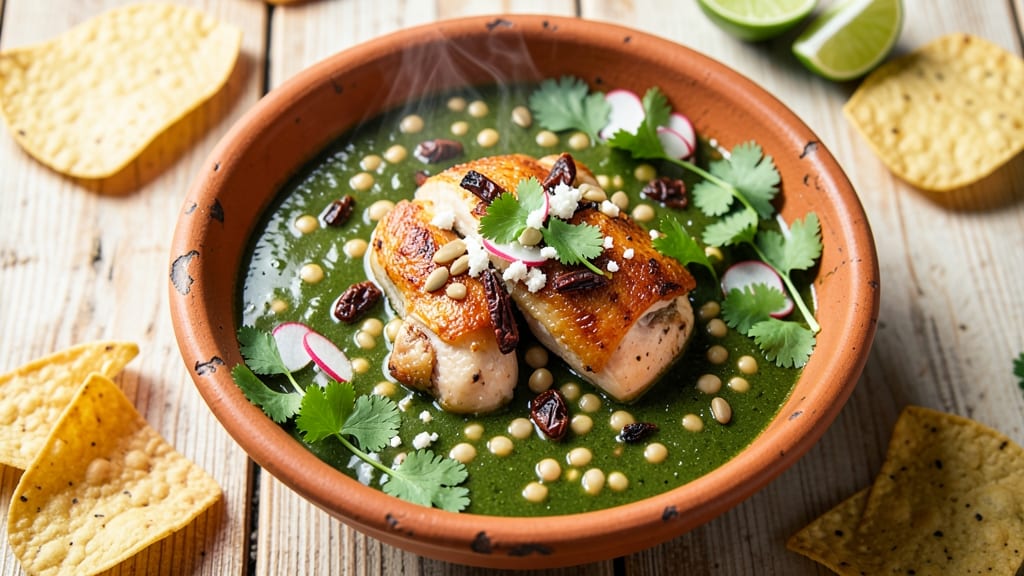
This authentic chicken pozole verde recipe brings the soul of Mexican home cooking to your table, where smoky tomatillo broth and tender chicken create a dish that tastes like family gatherings.
Growing up, my grandmother would make pozole on Sundays, simmering the ingredients until the flavors melded into something deeply comforting. The secret lies in the slow-cooked broth, where tomatillos and chiles develop their natural sweetness and depth.
The process begins with toasting dried chiles and garlic to build a rich, aromatic base for the broth, then blending tomatillos with herbs to create that signature green pozole verde color. Homemade tortillas, shredded cabbage, and fresh toppings transform this stew into a complete meal.
What makes this recipe special is how it balances simplicity with tradition—no shortcuts, just the authentic flavors of Mexican home cooking.
By the time you serve this pozole, your kitchen will smell of warm spices and smoky broth, while the table fills with steaming bowls of tender chicken, hearty hominy, and vibrant toppings.
The texture is perfect—tender chicken that falls apart, creamy hominy, and crisp toppings that add contrast. This is the kind of dish that brings people together, one spoonful at a time.
Perfect for weekend meals, family dinners, or holiday gatherings, this pozole verde is a celebration of Mexican comfort food. The recipe scales easily, so you can feed a crowd or save leftovers for another day. Let’s get cooking!
Ingredients for authentic chicken pozole verde
Authentic Mexican pantry staples meet fresh market finds for this soulful pozole verde.
| Ingredient | Amount | Notes |
|---|---|---|
| Chicken Thighs 🍗 | 3 lb | Bone-in, skin-on preferred |
| Dried Ancho Chiles 🌶️ | 4 whole | Stemmed, seeded, toasted |
| Dried Guajillo Chiles 🌶️ | 4 whole | Stemmed, seeded, toasted |
| Garlic Cloves 🧄 | 6 cloves | Peeled, lightly toasted |
| Tomatillos 🍅 | 2 lb | Husk removed, rinsed |
| Fresh Cilantro 🌿 | ½ cup | Stems removed, loosely packed |
| White Onion 🧅 | 1 whole | Quartered, skin on |
| Fresh Epazote 🌿 | ¼ cup | Chopped, optional but traditional |
| Dried Oregano 🍃 | 1 tbsp | Mexican oregano preferred |
| Cumin Seeds 🌿 | 1 tbsp | Toasted, ground fresh |
| Salt 🧂 | 1 ½ tsp | Adjust to taste |
| Dried Hominy 🌽 | 1 lb | Soaked overnight, drained |
| Chicken Broth 💧 | 4 cups | Homemade or quality store-bought |
| Lime Juice 🍋 | ¼ cup | Freshly squeezed |
| Avocado Oil 🫒 | ¼ cup | For frying tortillas |
The chiles are the heart of this dish—MexGrocer or H-Mart usually carry ancho and guajillo in bulk. Toast them in a dry pan until fragrant (about 30 seconds per side), then soak in hot water for 10 minutes to soften. Penzeys sells pre-toasted chiles if you're short on time, but fresh-toasted gives that smoky depth. For garlic, I always toast it lightly with the chiles—just until golden. The tomatillos? Look for bright green, firm ones—they should feel heavy for their size. If you can't find fresh epazote, skip it or use a pinch of dried tarragon as a substitute (it's not the same, but better than nothing).
No ancho chiles? Pasilla or mulato chiles work in a pinch, but the flavor will be different. Short on tomatillos? Green tomatoes or unripe mangoes can stand in (yes, really). The hominy needs soaking—overnight in cold water is ideal, but a 2-hour soak in hot water works too. For the broth, low-sodium chicken broth is best, but season with extra salt if needed. The lime juice should be freshly squeezed—bottled lime juice lacks the brightness. And if you're serving this to guests who don't know pozole, trust me when I say the toppings are everything—radishes, onions, cilantro, lime, and tortilla chips turn it into a full meal.
This pozole tastes even better the next day—flavors meld overnight. Store leftovers in the fridge for 4-5 days, or freeze for up to 3 months (the broth stays rich and flavorful). I like to portion it into containers with a little extra broth on top—just reheat gently on the stove. For serving, warm the tortillas in a dry skillet for 20 seconds per side so they stay crisp. The hominy can be pre-cooked and refrigerated for 3 days—just reheat in the broth before serving. And if you're making this for a crowd, double the chiles and broth—it scales beautifully.
Why You'll Love This Recipe
- One-Pot Magic: I swear by this recipe because it’s literally one pot, one stove. Toss in the chicken thighs, toast those dried chiles with garlic until they smell like a Mexican street corner, then let the tomatillos and broth do their thing—no chopping mountains of veggies or constant stirring. The chicken falls off the bone while the sauce builds depth, and honestly? That’s my kind of cooking.
- Smoky-Garlicky Bliss: Between us, the combo of ancho and guajillo chiles—soaked, toasted, blended—gives this pozole a smoky edge that’s impossible to resist. Then you hit it with fresh tomatillos and garlic, and suddenly, every spoonful has this bright, herby punch that makes you want to lick the pot. It’s the kind of flavor that turns a weeknight into a celebration.
- Leftovers That Beg for More: This recipe always makes more than we can eat in one sitting, and that’s a good thing. The broth thickens beautifully overnight, the chicken stays juicy, and reheating it? Just add a splash of water and a minute on the stove. My freezer’s packed with these containers because even cold pozole verde is a solid lunch—no sad, dry leftovers here.
- Budget-Friendly Crowd-Pleaser: Chicken thighs are cheap, dried chiles last forever, and a handful of tomatillos stretch into a whole pot. I’ve fed six people for under $15 with this, and no one walks away hungry. It’s the dish I pull out for game days, book club gatherings, or when my college-aged kid calls and says, “I’m coming home.” Reliable, filling, and always a win.
Step-by-step instructions for authentic chicken pozole verde
Here's how to build this smoky, herb-forward stew with homestyle depth and traditional techniques.
Toast and Rehydrate the Dried Chiles
Start by toasting the 4 whole dried ancho chiles and 4 whole dried guajillo chiles in a dry skillet over medium heat for 2-3 minutes per side until fragrant and slightly darkened. This step deepens their natural smokiness and removes any bitterness. Transfer them to a bowl and cover with 4 cups hot chicken broth to rehydrate for 15 minutes.
While they soak, toast the 1 tablespoon cumin seeds in the same skillet for 1 minute until aromatic, then grind them with the 1 tablespoon dried oregano using a mortar and pestle or spice grinder. This creates a fragrant base for the sauce. The chiles should soften enough to blend easily later—if they don't, let them soak a few more minutes.
Build the Tomatillo-Herb Base
In a large pot, combine the rehydrated chiles (with their soaking liquid), 2 lb tomatillos, 1 whole white onion (quartered), 6 cloves garlic cloves, 0.5 cup fresh cilantro, and 0.25 cup fresh epazote. Bring to a simmer over medium-high heat and cook for 10 minutes, stirring occasionally, until the tomatillos break down into a chunky sauce.
Use an immersion blender to purée the mixture directly in the pot until smooth, scraping down the sides as needed. This creates the signature green pozole broth—vibrant, tangy, and packed with herbaceous depth. If using a regular blender, work in batches and return the purée to the pot immediately. The sauce should be thick enough to coat the back of a spoon but still pourable.
Cook the Chicken and Hominy
Add the 3 lb chicken thighs to the pot along with 4 cups chicken broth and 1.5 teaspoons salt. Bring to a boil, then reduce heat to low, partially cover, and simmer for 45-50 minutes until the chicken is fork-tender and easily separates from the bone. Remove the chicken, shred it with two forks, and return it to the pot.
Add the 1 lb soaked dried hominy (drained) and simmer for another 15 minutes. The hominy should be heated through but still hold its shape—overcooking makes it mushy. Taste the broth and adjust seasoning with additional salt if needed. The final pozole should balance smoky, herbal, and slightly tangy flavors with just enough salt to enhance every component.
Finish with Lime and Serve Traditionally
Stir in the 0.25 cup lime juice just before serving to brighten the flavors. Traditional pozole verde is served with warm corn tortillas (fried in 0.25 cup avocado oil), shredded cabbage, sliced radishes, and extra lime wedges. The acidity from the lime cuts through the richness of the chicken and hominy, creating the perfect balance.
Serve immediately in deep bowls, letting everyone assemble their own portions with the toppings. The broth should be rich but not greasy, the chicken tender yet flavorful, and the hominy firm with a satisfying bite. This is where pozole verde shines—simple ingredients transformed into a comforting, community-style meal.
Pro Tips For Making Authentic Chicken Pozole Verde
- BLANCH THE CHILES FIRST: I learned this the hard way—skipping the quick blanch in hot water makes those dried ancho and guajillo chiles fight for flavor instead of surrendering it. Toss them in boiling water for 10 seconds, then peel off the skins immediately. The charred, papery skins? Toss them—they’ll just make your broth bitter.
- USE HALF THE GARLIC: Pozole verde doesn’t need a garlic bomb. After years of overdoing it, I now crush just 4-5 cloves (not the full head) and toast them lightly with the chiles. Too much garlic turns your broth medicinal, and you’ll taste it in every bite—like eating a spice rub instead of a soup.
- SIMMER CHICKEN LOW AND LONG: Chicken thighs for pozole aren’t just meat—they’re the backbone. After the initial boil, drop the heat to a bare simmer (think tiny bubbles, not rolling) and let them cook for at least 45 minutes. Rushed thighs? They’ll turn out dry and stringy, and no amount of broth can fix that.
- TOAST THE TOMATILLOS: Sounds weird, but it works: Char the tomatillos over a gas flame or under a broiler until they’re blistered and blackened in spots. This step deepens their tang and cuts through the richness of the chicken fat—like adding a smoky umami punch without extra ingredients. (Yes, even if you’re impatient like me.)
Creative variations of this recipe
Pork Pozole Fusion
Swap the chicken for 3 pounds pork shoulder, cut into chunks, and simmer it for 2-3 hours until fork-tender. The pork adds a deeper, meatier richness that pairs beautifully with the tangy tomatillo broth.
I like to brown the pork first in a skillet with 1 tablespoon avocado oil until it develops a crust—this adds incredible depth to the final dish. 🔥
Shrimp Pozole
For a lighter version, use 1.5 pounds shrimp (peeled and deveined) instead of chicken. Cook them in the broth for just 5-7 minutes—they should stay tender and bright pink.
I add 1 teaspoon smoked paprika to the broth to complement the shrimp’s natural sweetness. Serve with extra lime wedges to cut through the richness.
Vegetarian Pozole
Skip the meat entirely and use 2 cups dried white beans (soaked overnight) instead of hominy for extra protein. Add 1 zucchini and 1 bell pepper to the broth during the final 10 minutes of cooking.
The beans absorb the broth beautifully, creating a hearty, plant-based version. Top with avocado slices for creaminess and extra lime for brightness. 🌱
Spicy Chipotle Twist
For a smoky kick, add 2 chipotle peppers in adobo sauce (minced) to the blended tomatillo base. This deepens the smokiness and adds a subtle heat. I also stir in 1 teaspoon chipotle powder with the cumin and oregano for an extra layer of complexity.
Serve with extra radishes and hot sauce on the side for those who love heat.
Creamy Avocado Pozole
Blend 1 ripe avocado with the tomatillo mixture before puréeing to create a velvety, creamy broth. The avocado adds a rich, buttery texture that balances the tangy flavors.
I also add ½ cup sour cream to the finished pozole for extra creaminess. Garnish with extra cilantro and lime to keep the dish bright and fresh.
Slow-Cooker Adaptation
For hands-off cooking, transfer the blended tomatillo mixture and chicken to a 6-quart slow cooker with the broth and hominy. Cook on low for 6-8 hours or high for 3-4 hours.
The slow cooker enhances the flavors, making the broth even more tender and aromatic. Perfect for busy weeknights when you want that homestyle taste without the fuss. ⏰
Nutrition facts
Frequently asked questions
What makes this pozole verde different from regular pozole?
This recipe uses tomatillos and green chiles instead of red chiles for that signature vibrant green color and tangy flavor. The broth is lighter and herb-forward, with fresh cilantro and epazote giving it a bright, almost citrusy brightness. Traditional red pozole uses dried chiles like ancho and guajillo for a deeper, richer taste.
Can I use chicken breast instead of thighs?
I recommend bone-in, skin-on thighs for the best texture—they stay juicy and flavorful while cooking. Chicken breast will dry out faster in the broth. If you must use breast, add it only in the last 15 minutes of cooking to prevent toughness. For extra richness, reserve some of the skin and fat from thighs to crisp in the oven for garnish.
Why does my pozole taste bitter or overly spicy?Bitter flavors often come from over-toasted chiles or using too many dried chiles. Toast them just until fragrant (2-3 minutes per side) and don't over-soak them. For spiciness, remove seeds and stems from chiles before toasting. The tomatillos should be bright green and firm—if they're yellowing, they'll add a bitter note. Always taste the broth before adding chicken.
How do I make this pozole ahead of time?
Pozole verde tastes even better the next day! Store leftovers in the fridge for 4-5 days or freeze for up to 3 months. Reheat gently on the stove, adding a splash of water if it's too thick. For serving, warm tortillas and toppings separately—this keeps everything crisp. The flavors meld beautifully overnight, making it perfect for meal prep.
What are the best toppings to serve with pozole?
Traditional toppings include warm corn tortillas, shredded cabbage, sliced radishes, chopped cilantro, and lime wedges. For extra richness, add crumbled queso fresco or avocado slices. My grandmother always served it with crispy tortilla chips on the side for scooping up the broth. Don't forget hot sauce for those who love heat!