
Main Courses
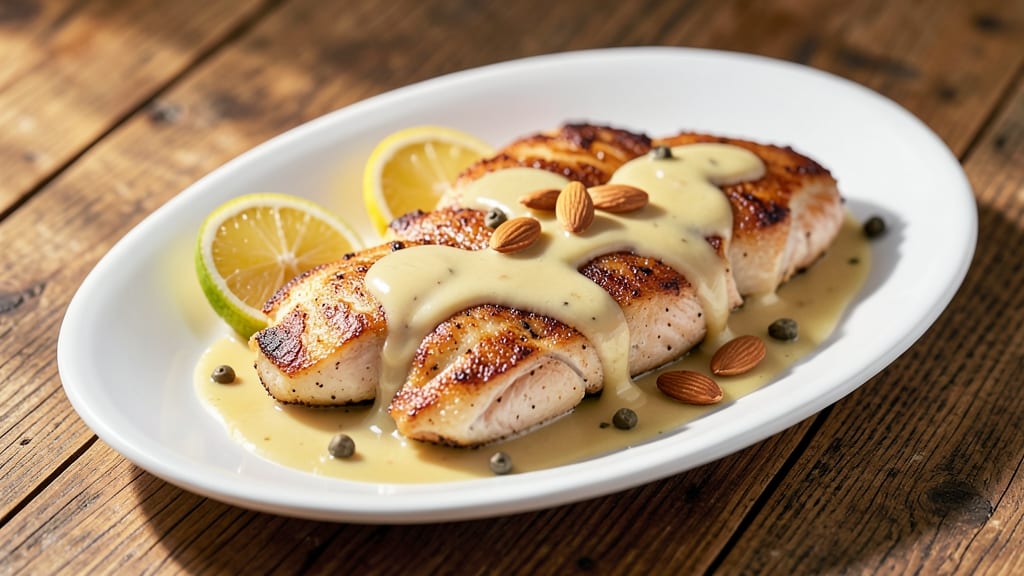
Alton Brown's Chicken Piccata recipe delivers that perfect balance of crispy panatella magic and bright, tangy lemon-caper sauce—every bite is a testament to precise technique.
Growing up in small-town Georgia, I learned that great cooking starts with the right prep, and this dish proves it: brined chicken transforms into golden, tender cutlets that practically melt in your mouth.
The secret lies in the sauce, where white wine, capers, and fresh herbs come together in a velvety emulsion that clings to each piece like a flavorful hug.
What sets this recipe apart is Alton Brown's signature method of butterflying the chicken breasts—creating thinner, more even cutlets that cook faster and stay juicier.
The panatella technique ensures a crispy exterior without drying out the center, while the sauce builds in layers: first the garlic and shallots, then the wine reduction, and finally the emulsified lemon-caper finish.
This isn't just a recipe; it's a masterclass in balancing textures and flavors that elevate simple ingredients into something extraordinary.
By the time you plate this dish—garnished with fresh parsley and lemon wedges—you'll have a restaurant-worthy meal that's crispy on the outside, tender within, and bursting with bright, tangy sauce. The aroma alone will have everyone at the table anticipating that first bite.
Whether you're serving it with pasta, roasted vegetables, or crusty bread, this piccata delivers the kind of satisfaction that makes cooking worth every minute.
For those who want to take it further, I've included a velouté sauce variation that adds depth without complicating the process. The key is patience—letting the sauce reduce properly and emulsifying it just right.
Trust me on this: once you master this technique, you'll never go back to store-bought piccata again. Let's get cooking!
Ingredients for alton brown chicken piccata
Fourteen ingredients transform into Alton Brown's restaurant-quality chicken piccata with crispy panatella perfection.
| Ingredient | Amount | Notes |
|---|---|---|
| Boneless, Skinless Chicken Breast 🍗 | 1 ½ lb | Butterflied into 4 even cutlets |
| All-Purpose Flour 🌾 | ½ cup | For dredging cutlets |
| Unsalted Butter 🧈 | ½ cup | Cold, cubed for panatella |
| Dry White Wine 🍷 | ½ cup | Sauvignon Blanc preferred |
| Fresh Lemon Juice 🍋 | ¼ cup | Freshly squeezed |
| Capers 🫒 | 3 tbsp | Rinsed and drained |
| Garlic Cloves 🧄 | 4 cloves | Minced, fresh preferred |
| Shallots 🧅 | 2 whole | Minced, about 2 tbsp |
| Fresh Parsley 🌿 | ¼ cup | Chopped, for garnish |
| Salt 🧂 | 1 ½ tsp | Kosher or sea salt |
| Black Pepper 🌶️ | ½ tsp | Freshly ground |
| Heavy Cream 🥛 | ¼ cup | For velouté variation |
| Chicken Stock 💧 | ¼ cup | Low-sodium preferred |
| Lemon Zest 🍋 | 1 tbsp | Fresh, for finishing |
| Lemon Wedges 🍋 | 4 whole | For serving |
The chicken breasts are the foundation, so choose plump, evenly sized ones—thickness matters for even cooking. Butterflying (pounding to flatten) is non-negotiable; this creates uniform cutlets that crisp perfectly. For the wine, Sauvignon Blanc is ideal due to its acidity, but Pinot Grigio or Chardonnay work too. The capers should be briny, not vinegary—rinsing removes excess salt. Fresh herbs like parsley and lemon zest elevate the dish, so grab them from the grocery store's refrigerated section where they're kept freshest. The butter must be cold and cubed—this ensures proper panatella without grease splatter.
No white wine? Chicken stock with a splash of lemon juice mimics the acidity, though flavor will differ. Substitute capers with pickle juice or anchovy paste for umami depth. For the velouté variation, half-and-half can replace heavy cream if preferred. The shallots can be swapped for green onions or extra garlic, but reduce to 3 cloves to maintain balance. If you lack a mandoline for butterflying, use a meat mallet or rolling pin—just work gently to avoid tearing. The lemon zest should be finely grated; a microplane works best for this texture.
The chicken cutlets should be brined for 30 minutes before cooking—this ensures juiciness. Store any unused wine in a cool, dark place for up to 1 month after opening. Fresh herbs keep 5-7 days wrapped in damp paper towels. The prepared sauce can be refrigerated for 3 days or frozen for 3 months. For the velouté variation, whisk in the cream and stock just before serving to maintain texture. Garnish with parsley and lemon wedges right before plating to preserve freshness.
Why You'll Love This Recipe
- Same recipe, different vibes: toss it together for a lazy Tuesday or impress guests with minimal effort. The sauce thickens beautifully, so it works for both.
- Pan-Fried Perfection: I swear by that crispy flour crust—just a quick dredge in all-purpose flour before hitting the pan, and boom, you’ve got texture that holds up to the bright, tangy sauce.
- Wine & Lemon Magic: The white wine and lemon juice cut through the richness of the butter, leaving you with a sauce that’s bold but balanced—like a fancy dinner without the fuss.
- Weeknight to Dinner Party: Same recipe, different vibes: toss it together for a lazy Tuesday or impress guests with minimal effort. The sauce thickens beautifully, so it works for both.
Step-by-step instructions for alton brown's chicken piccata
Master this crispy panatella technique for golden-brown chicken and bright, tangy lemon-caper sauce.
Prepare and Dredge the Chicken Cutlets
Begin by butterflying the 1.5 lb boneless, skinless chicken breast into 4 even cutlets, about ½-inch thick. Place each cutlet between two sheets of plastic wrap and pound gently with a meat mallet until uniformly thin. This ensures even cooking and maximum crispiness.
In a shallow dish, combine the 0.5 cup all-purpose flour, 1.5 tsp salt, and 0.5 tsp black pepper. Working with one cutlet at a time, press it lightly into the flour mixture, coating both sides evenly. Let the floured cutlets rest for 5 minutes - this allows the flour to adhere properly and prevents clumping when cooking.
Create the Panatella Base
Heat a large skillet over medium-high heat until very hot. Add the 0.5 cup cold cubed unsalted butter and let it melt completely, watching for the butter to turn a pale golden color. This should take about 2 minutes - the butter should foam but not brown.
Working in batches if needed, add the floured chicken cutlets to the skillet. Cook undisturbed for 2-3 minutes per side until golden brown and crispy. The edges should pull away cleanly from the pan, and the internal temperature should reach 165°F. Transfer the cooked chicken to a warm plate and tent loosely with foil to keep warm.
Build the Lemon-Caper Sauce
Reduce heat to medium and add the 2 minced shallots and 4 minced garlic cloves to the skillet. Cook for 1-2 minutes until softened but not browned. Pour in the 0.5 cup dry white wine and scrape up any browned bits from the bottom of the pan - these contain valuable flavor.
Add the 3 tbsp capers and 0.25 cup fresh lemon juice. Bring to a gentle simmer and cook for 3-4 minutes until the liquid reduces by about half. Stir in the 0.25 cup heavy cream and 0.25 cup chicken stock, then return the chicken to the skillet. Spoon the sauce over the chicken and let it heat through for 1-2 minutes.
Finish and Serve
Remove the skillet from heat and stir in the 1 tbsp lemon zest. Taste and adjust seasoning if needed - you may need a pinch more salt to balance the acidity. The sauce should coat the back of a spoon with a velvety consistency.
Divide the chicken among 4 plates and garnish each serving with 1 tbsp chopped fresh parsley and a lemon wedge. Serve immediately with crusty bread or over pasta to soak up every last bit of that bright, tangy sauce. The crispy panatella crust should contrast perfectly with the silky lemon-caper sauce.
Pro Tips For Making Alton Brown Chicken Piccata
- Pound Chicken Evenly: Skip the uneven thickness—flatten each breast to exactly ½-inch using a meat mallet or rolling pin. I learned this the hard way after serving one piece that stayed raw inside while the edges burned. Consistency = perfect doneness every time.
- Toast Flour Like Butter: Cook the flour in butter for 30 seconds before adding wine—it removes the raw taste and builds a richer crust. Sounds weird, but it works: the flour turns golden and nutty, not floury. Don’t rush this step.
- Deglaze with Heat: After removing the chicken, turn the heat to medium-high and let the wine reduction bubble for 2 full minutes. That’s when the sauce thickens and deepens—skipping this leaves you with a thin, winey glaze instead of a glossy, tangy finish.
- Use Cold Lemon Juice: Add the lemon juice after the sauce thickens and let it sit off the heat for 1 minute. Cold juice brightens the sauce without cooking off its acidity (hot juice turns bitter). It’s the thing that makes the difference between “good” and “restaurant-quality.”
Best sauces and condiments for these flavors
Classic Lemon-Caper Sauce
The star of this dish is the bright, tangy lemon-caper sauce that clings beautifully to the crispy chicken. I start by reducing white wine with minced shallots and garlic until the liquid is syrupy—this builds a flavorful base.
The capers add briny depth, while fresh lemon juice brings the acidity that cuts through the richness. For that signature velvety finish, I whisk in heavy cream and chicken stock just before serving, ensuring the sauce emulsifies perfectly. 🍋
Velouté Variation
For a richer sauce, I sometimes replace the cream with a velouté base—made by whisking heavy cream and chicken stock into the reduced wine mixture. This creates a silkier texture while maintaining the lemon-caper brightness.
The key is to temper the hot sauce with a splash of cold stock before adding the cream to prevent curdling. This version pairs especially well with creamy pasta like fettuccine.
Herb-Infused Olive Oil
If you want to add an extra layer of flavor, drizzle the finished dish with herb-infused olive oil. Simply heat ¼ cup olive oil with 2 tbsp chopped parsley, 1 tbsp lemon zest, and 1 minced garlic clove until fragrant.
Strain and drizzle over the piccata just before serving. This adds a fragrant, aromatic finish that elevates the dish without overpowering the sauce. 🌿
Spicy Kick Option
For those who love heat, I like to add ½ tsp red pepper flakes to the sauce while reducing the wine. Alternatively, stir in 1 tbsp hot honey at the end for a sweet-spicy contrast.
A pinch of smoked paprika also works beautifully, adding a subtle smokiness that complements the lemon and capers. Adjust to taste—this dish is all about balance.
Butter-Basted Garlic Sauce
For a decadent twist, I sometimes baste the chicken with garlic butter while searing. After removing the chicken, melt 2 tbsp butter in the same pan, add 2 minced garlic cloves, and let it sizzle for 30 seconds.
Pour this fragrant butter over the chicken and sauce before serving. The extra garlic butter adds a luxurious richness that pairs perfectly with the bright, tangy sauce. 🧄
Creamy Mushroom Addition
For a heartier dish, sauté ½ cup sliced mushrooms with the shallots and garlic. Deglaze with the wine as usual, then proceed with the rest of the sauce.
The earthy mushrooms add depth, making this a great option for colder months. I often serve this version with roasted Brussels sprouts for a well-rounded meal. 🍄
Nutrition facts
Frequently asked questions
Why does Alton Brown recommend butterflying the chicken?
Butterflying creates thinner, even cutlets that cook faster and more evenly, ensuring a crispy exterior without dryness. The ½-inch thickness is ideal for achieving that perfect panatella crust while keeping the center juicy. This technique also reduces cooking time to just 2-3 minutes per side—critical for maintaining moisture.
Can I use chicken thighs instead of breasts?
While breasts are traditional, you can use boneless, skinless thighs—but adjust cooking time to 4-5 minutes per side since they're thicker. Skin-on thighs will render fat, adding richness to the pan sauce. For best results, trim excess fat and pat dry thoroughly before dredging.
What's the secret to a velvety sauce without lumps?
Temper the hot sauce by whisking in cold heavy cream gradually while off heat. For extra insurance, mix 1 tbsp cream with 1 tbsp cold stock first, then whisk into the pan. The key is patience—reduce the wine until syrupy (3-4 minutes) before adding liquids to prevent separation.
How do I fix overcooked chicken?
If your cutlets are dry, slice them thinly and add to the sauce to rehydrate for 1-2 minutes off heat. For extra moisture, stir in 1 tbsp warm chicken stock or a splash of white wine. Serve with a creamy sauce variation (like the velouté) to mask any dryness.
What wine substitutes work best?
For non-alcoholic versions, use chicken stock + 1 tbsp lemon juice (1:1 ratio). For dry white wine alternatives, try apple cider vinegar + ½ tsp sugar or dry vermouth. Avoid sweet wines—they'll overpower the bright lemon-caper flavors.